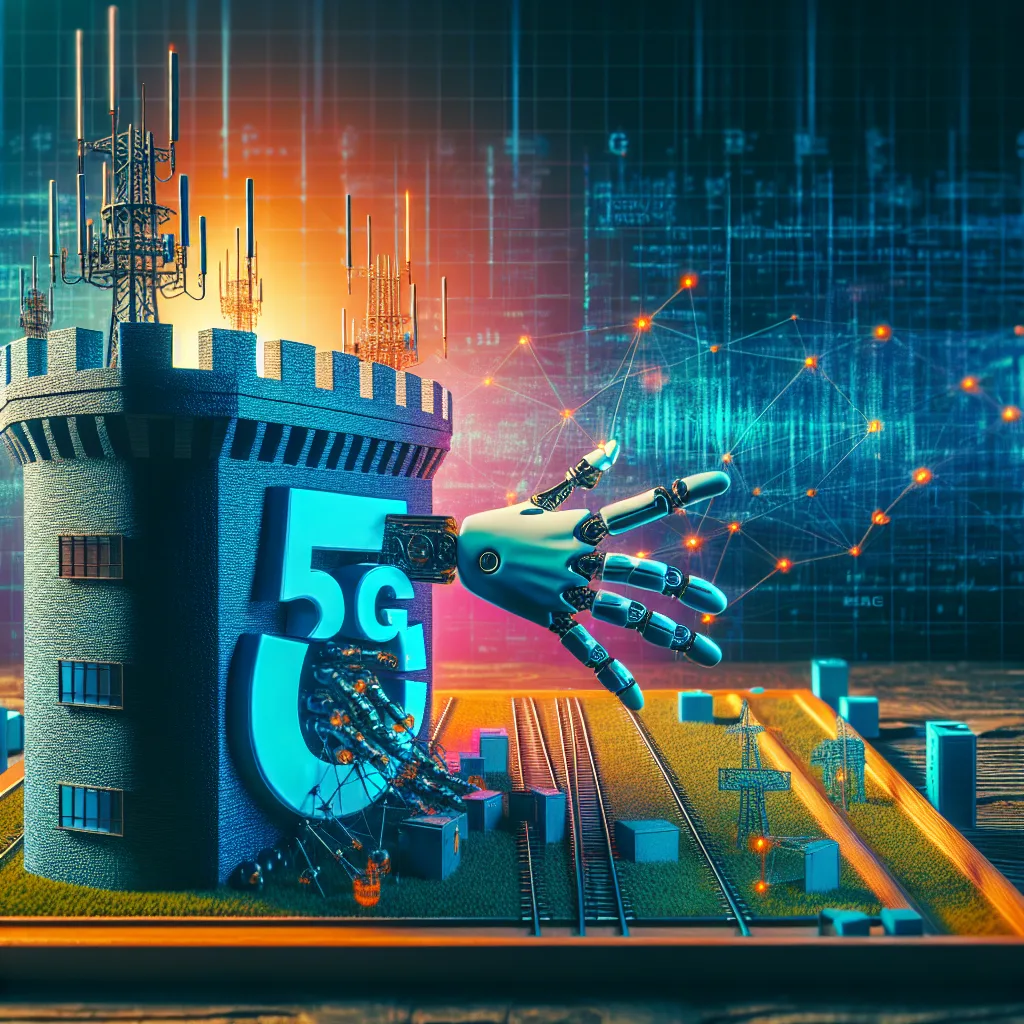
Security Challenges for Private 5G Networks in the Age of AI
Executive Summary
The integration of Artificial Intelligence (AI) into Private 5G networks presents significant security challenges that must be addressed to ensure the integrity and reliability of these systems. As organizations increasingly adopt AI technologies, the complexity of managing security risks escalates, particularly due to a shortage of specialized expertise in both AI and telecommunications security. This report provides a comprehensive analysis of the security implications of Private 5G networks, considering economic, military, diplomatic, and technological factors. It highlights the vulnerabilities inherent in these networks, the potential for nation-state exploitation, and the broader impacts on various sectors.
Security Implications of Private 5G Networks
Private 5G networks are designed to provide enhanced connectivity and lower latency for enterprises, but they also introduce unique security vulnerabilities. Key security implications include:
- Increased Attack Surface: The deployment of numerous connected devices increases the potential entry points for cyberattacks. Each device can be a target, and the interconnectivity of these devices can lead to cascading failures if one is compromised.
- AI-Driven Threats: The use of AI in network management can be a double-edged sword. While AI can enhance security through predictive analytics, it can also be exploited by malicious actors to automate attacks, making them more sophisticated and harder to detect.
- Data Privacy Concerns: Private 5G networks often handle sensitive data. The integration of AI raises concerns about data privacy and compliance with regulations such as GDPR, as AI systems may inadvertently expose or misuse personal data.
Economic Factors
The economic implications of securing Private 5G networks are profound. Organizations face significant costs associated with implementing robust security measures, including:
- Investment in Security Infrastructure: Companies must allocate resources to develop and maintain security protocols, which can divert funds from other critical areas.
- Potential for Financial Loss: Cyber incidents can lead to substantial financial losses, not only from direct theft but also from reputational damage and regulatory fines.
- Market Competitiveness: Organizations that fail to secure their networks may find themselves at a competitive disadvantage, as customers increasingly prioritize security in their purchasing decisions.
Military and Geopolitical Considerations
The military and geopolitical landscape is also affected by the security of Private 5G networks. Key considerations include:
- Nation-State Threats: State-sponsored cyberattacks targeting Private 5G networks can disrupt critical infrastructure, leading to national security risks. For example, adversarial nations may seek to exploit vulnerabilities to gain intelligence or disrupt military operations.
- Technological Sovereignty: Countries are increasingly aware of the need to secure their telecommunications infrastructure against foreign influence, leading to a push for domestic solutions and technologies.
- Alliances and Partnerships: The security of Private 5G networks can influence international relations, as countries may form alliances based on shared security interests and technological capabilities.
Technological Factors
The technological landscape surrounding Private 5G networks is rapidly evolving, presenting both opportunities and challenges:
- Emerging Technologies: The integration of AI, IoT, and edge computing into Private 5G networks can enhance operational efficiency but also introduces new vulnerabilities that must be managed.
- Complexity of Security Protocols: The technical complexity of securing 5G networks requires specialized knowledge that is currently in short supply, leading to potential gaps in security posture.
- Standardization Efforts: Ongoing efforts to establish security standards for 5G networks are critical to ensuring interoperability and resilience against cyber threats.
Conclusion
As Private 5G networks become increasingly intertwined with AI technologies, the security challenges they face will continue to evolve. Organizations must prioritize the development of specialized expertise and robust security frameworks to mitigate risks. The implications of these challenges extend beyond individual enterprises, affecting economic stability, national security, and international relations. A proactive approach to security in the age of AI is essential for safeguarding the future of Private 5G networks.



