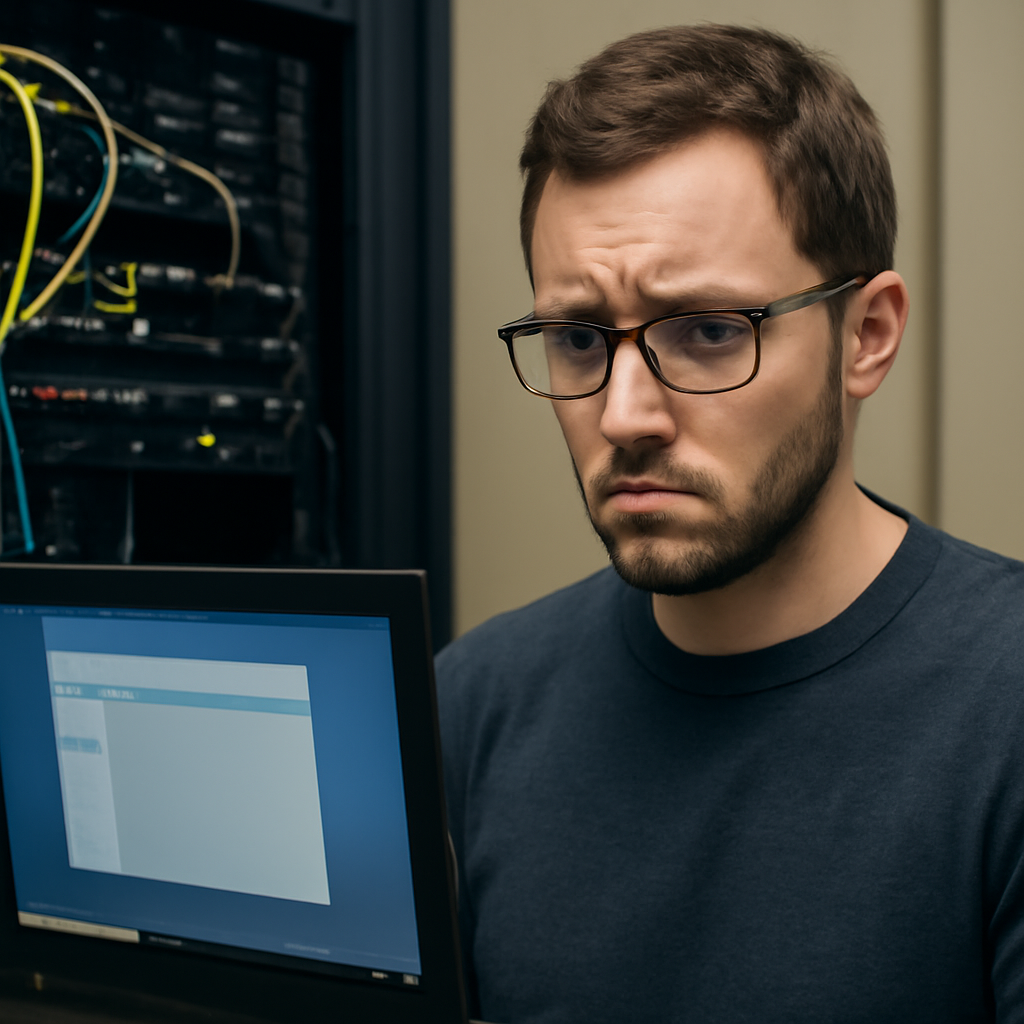
"this case is an example of how AI can help address these sophisticated security threats," the company wrote on social media as it described an internal investigation into a covert recording device found in one of its San Francisco offices.
Allegations against engineer Abdulrahman Alfozan
An OpenAI engineer, identified in reporting as Abdulrahman Alfozan, 35, is alleged to have hidden an audio recording device in an executive conference room at one of the organization’s San Francisco offices. According to the account provided, Alfozan — who worked on the company’s product team and joined in July 2025 — reportedly queried an internal "productivity agent" and an AI chatbot over several weeks while planning the operation.
The reporting says investigators found activity in two distinct channels: use of an internal tool to search for meeting information tied to the targeted conference room, and use of a chatbot account belonging to his spouse to ask technical questions about installing, building and encrypting a covert audio recording device.
OpenAI’s claim that its models helped identify the device
OpenAI posted that it used its own models "to understand the device and where it had come from," and framed the case as evidence that AI can assist in addressing sophisticated security threats. That public statement is the company’s explanation for how the investigation tied a found device back to an insider and its provenance.

Audit-ready is a season. It shouldn't be.
Evidence in spreadsheets, controls drifting between audits, frameworks multiplying on flat headcount. Nubivance runs continuous compliance on Rapid7 Cyber GRC - SOC 2, HIPAA, ISO 27001, PCI, CMMC.
End the scrambleJohn Bruggeman, vCISO at CBTS, on what the logs show
John Bruggeman, vCISO at CBTS, offered a skeptical reading of the narrative that models were the decisive investigative tool. He characterized the situation as a "classic Insider Risk issue" and outlined what he said the available evidence actually shows: internal productivity-tool logs registering searches for meeting room locations, capacities and executive calendars, and a separate chatbot account tied to the employee logging requests for how to build, install and encrypt a covert recording device.
Bruggeman said that pattern, as he sees it, is “not a model reasoning its way to a suspect.” He argued the device was discovered during a regular physical security sweep, not because a model generated an alert that led security teams to it. “The hard part is finding the bug, but that was done by a human team walking the floor, not an AI model,” he said. In his view, AI’s primary contribution was making sense of disparate logs after the fact.
Insider behavior, burst activity, and detection trade‑offs
Bruggeman raised a second thread of detail repeatedly emphasized in the reporting: the difficulty of detecting a trusted, long‑standing employee whose baseline activity does not trigger conventional alerts. He noted Alfozan was “about a year” into his tenure and “wasn’t a new hire with excessive permissions.” Routine presence and normal system usage reportedly did not generate attention until, as Bruggeman put it, “a week‑long burst of activity right before the device was found.”
He explained that spotting such deviations requires both the right data and a detection program designed to correlate cross‑system behavioral signals. That correlation — he argued — “doesn’t require a breakthrough model. It requires deciding, in advance, that this kind of cross‑system behavioral correlation is worth building and staffing.” Bruggeman emphasized the need for a human in the loop: automated flags alone, he said, are insufficient without personnel reviewing and acting on those alerts.
What this means for security teams, enterprise leaders, and physical security
- Security teams and technologists: The account highlights the importance of instrumenting and retaining the specific logs that can reveal cross‑system activity (calendar or meeting‑room queries coupled with unusual chatbot queries) and of designing detection rules that look for short, intense bursts of anomalous behavior in established employees.
- Enterprise leaders and procurement decision‑makers: Bruggeman’s view underscores that investment choices matter: correlation capability and staffed insider‑risk programs are a different kind of expenditure than model licensing. He suggested that organizations with high‑value intellectual property should weigh the cost of a staffed insider‑risk program against the risk of a successful insider operation.
- Physical security teams: The reporting credits routine, human‑conducted sweeps with finding the device — a reminder that physical checks remain a primary detection mechanism for covert hardware even as digital telemetry is expanded.
At the center of the public narrative are two competing claims embedded in the same account: OpenAI’s assertion that its models helped trace the origin of the device, and a security professional’s argument that human discovery and post‑hoc log correlation, not autonomous model detection, explain the outcome. The record presented here documents both the alleged misuse of internal tools and the operational questions that follow: do organizations have the right logs, the right correlation rules, and the staffed processes to detect short bursts of malicious insider activity before a physical sweep finds a covert device?
Read the original reporting: https://www.securitymagazine.com/articles/102661-openai-claims-model-helped-solve-insider-threat-concern