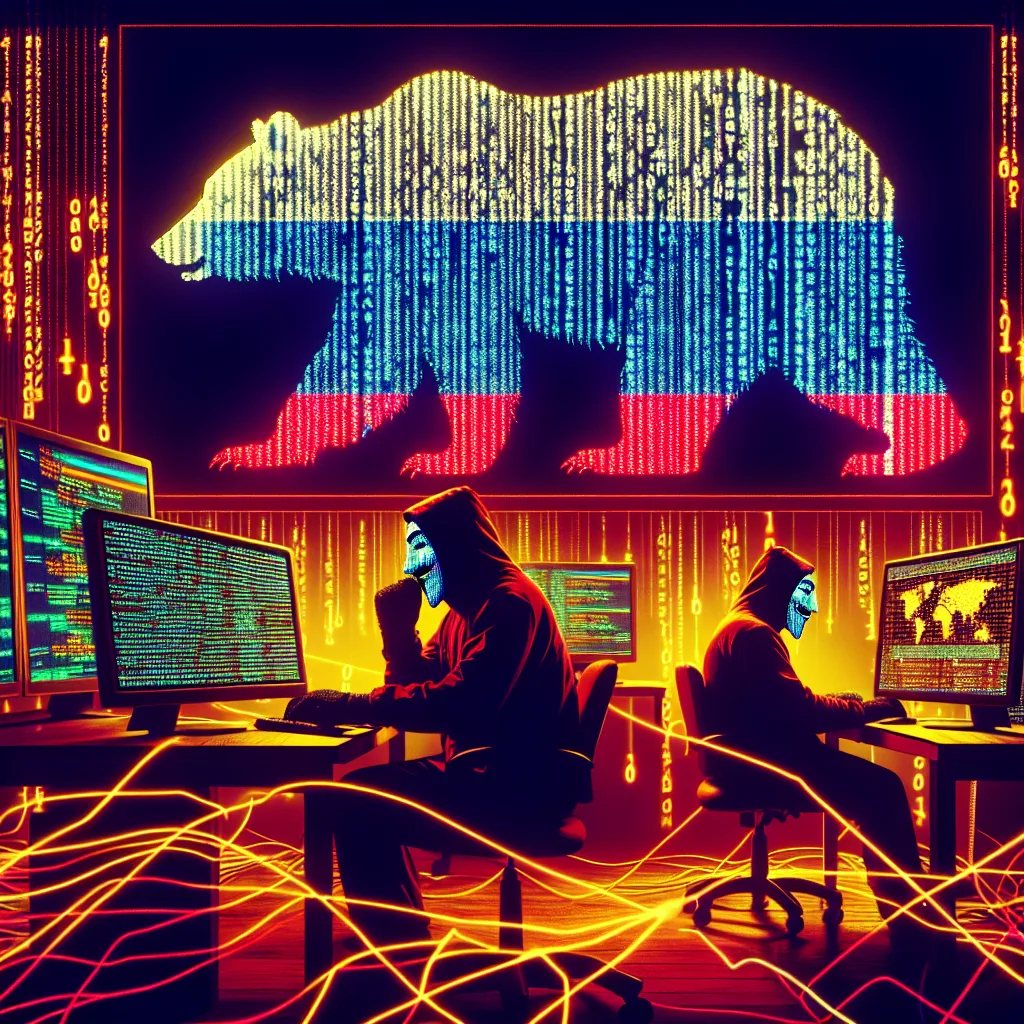
Cyber Shadows Over Humanitarian Aid: Unraveling the Russian Espionage Web
Since 2022, international watchdogs and cybersecurity experts have observed a disturbing pattern of digital intrusion aimed at compromising organizations involved in Ukraine’s humanitarian efforts. A state-sponsored campaign, attributed to APT28—commonly known as Fancy Bear or Forest Blizzard—has steadily evolved into a sophisticated operation with the clear objective of disrupting the flow of aid. This report examines the campaign’s history, current methodologies, and the broader implications for global security and humanitarian relief.
On a brisk January morning in 2022, cybersecurity professionals in Europe and North America noticed unusual network patterns among agencies tasked with monitoring international relief operations. Later investigations identified distinct digital fingerprints consistent with tactics employed by APT28, a notorious group linked to Russian state interests. As evidence mounted, agencies such as the U.S. Cybersecurity and Infrastructure Security Agency, the European Union Agency for Cybersecurity (ENISA), and partner governments confirmed that the intrusions were not isolated incidents but an orchestrated campaign designed to undermine humanitarian efforts in Ukraine.
Historically, Russian cyber operations have been characterized by an intricate blend of espionage, disinformation, and disruption. Since the early 2000s, groups like APT28 have evolved from relatively crude hacking attempts into a well-funded and methodically executed enterprise. By leveraging advanced malware, spear-phishing techniques, and persistent denial-of-service attacks, these state-sponsored actors have managed not only to exfiltrate confidential data but also to sow discord amid sensitive international collaborations.
Official statements issued by cybersecurity agencies in Europe have highlighted that the campaign targets both governmental and nongovernmental organizations, particularly those channeling humanitarian aid to Ukraine. The attackers appear to be interested in sensitive communications that could reveal vulnerabilities within distribution networks, ultimately aiming to obstruct vital relief measures. In documented cases, compromised networks have led to temporary shutdowns of critical communication channels, risking delays that could prove catastrophic for civilians in need.
Why does this matter? The deliberate disruption of humanitarian aid—even through cyber means—exemplifies the modern battlefield where digital and physical domains intersect. Humanitarian organizations operate in a high-stakes environment where timely assistance is a matter of life and death. Cyber operations that target these organizations do more than merely steal data or create logistical challenges; they undermine trust in the security of these networks, compel organizations to divert resources to cybersecurity, and ultimately risk the lives of vulnerable populations.
For operational leaders and policymakers confronting this challenge, several factors stand out:
- Operational Disruption: Cyber intrusions can halt the flow of vital information and delay the delivery of supplies across borders.
- Widening the Conflict: By directly targeting humanitarian agencies, the attacks introduce a new dimension of warfare—one where non-military actors become pawns in broader geopolitical contests.
- Resource Diversion: Efforts to bolster cybersecurity measures often come at the expense of other critical operational investments, further straining already stretched humanitarian budgets.
- Political Repercussions: The blending of espionage and disruption reinforces existing narratives about state-sponsored cyber threats, complicating diplomatic relations and international cooperation.
Cybersecurity analyst Michael Assante, a longtime expert on state-sponsored hacking and advisor to several government agencies, notes that “the integration of cyber capabilities into geopolitical strategies is a clear indication that the digital realm is now an active theater of operations.” His perspective reinforces the idea that threats like those posed by APT28 are not just criminal matters but indicators of state-level conflict that require a measured, coordinated response among allies.
The specifics of the intrusions reveal both the ingenuity and the persistence of the actors behind them. Investigations have uncovered evidence that sophisticated malware strains and customized phishing campaigns have been deployed strategically to infiltrate networks of international organizations. Security breaches have reportedly allowed attackers to monitor communications in real time, extract sensitive data, and potentially plant false information to create confusion in the logistics chain of humanitarian operations.
Such operations are emblematic of cyber strategies that prioritize long-term strategic disruption over immediate financial gain. According to cybersecurity reports issued by the National Cyber Awareness System, these tactics are designed to achieve layered, incremental damage—a form of hybrid warfare where the impact is measured not solely in financial losses but in the erosion of public trust and operational integrity.
International organizations on the receiving end of these intrusions are not without recourse. Enhanced cyber defenses, improved encryption standards, and inter-agency information sharing have become top priorities. Numerous security workshops and joint operations have been initiated in recent months, aiming to bolster resilience against such targeted intrusions. The European Union, for example, has streamlined cooperation among member states to rapidly identify breaches and share counterintelligence.
Yet, the digital landscape is fraught with persistent vulnerabilities. In a sector where every minute of downtime can delay life-saving interventions, organizations are faced with the twin challenges of maintaining openness for transparent operations while securing sensitive communication channels from cyber adversaries. This balancing act is further complicated by the evolving tactics of groups such as APT28, whose methods have grown ever more sophisticated as countermeasures have improved.
Expert take from seasoned security professionals suggests that we are at a critical juncture. Christopher Painter, a former deputy director at the U.S. National Security Agency, has previously underscored the importance of a “defense-in-depth approach” to secure crucial infrastructures. Painter’s commentary on the increasing interconnection between cyber operations and international conflict underscores a broader reality: that digital security is inextricably linked to national and humanitarian security.
Looking ahead, the future of cybersecurity in the humanitarian domain remains uncertain. As international alliances and cybersecurity protocols continue to evolve, organizations must remain agile and prepared to counter a cyber threat landscape that has no geographic boundaries. Emerging trends suggest an intensification of digital espionage activities, powered by advancements in artificial intelligence and automation, further complicating efforts to safeguard critical infrastructure.
Policy interventions on both national and international levels are likely to prioritize the securitization of communication networks in humanitarian and aid organizations. Upcoming cybersecurity summits and the periodic revisions to cybersecurity frameworks by the U.S., European, and NATO governments indicate that collaborative defense strategies are poised to become more robust. What remains to be seen, however, is whether such frameworks can keep pace with rapidly evolving attack vectors in a digital era marked by state-sponsored cyber intrusions.
As nations and agencies around the globe grapple with these evolving challenges, one question persists: how can international cooperation and advanced cybersecurity practices converge to protect the most vulnerable—those relying on aid amidst conflict—against an enemy that hides behind the cloak of digital anonymity?
While much remains in flux, one truth endures: the integrity of humanitarian operations is not just a technical matter, but a cornerstone of global security, diplomacy, and human decency. The stakes are high, and as cyber shadows lengthen over digital infrastructure, the combined efforts of governments, private sectors, and international organizations may determine not only the success of aid deliveries in Ukraine, but the broader resilience of our interconnected world.



