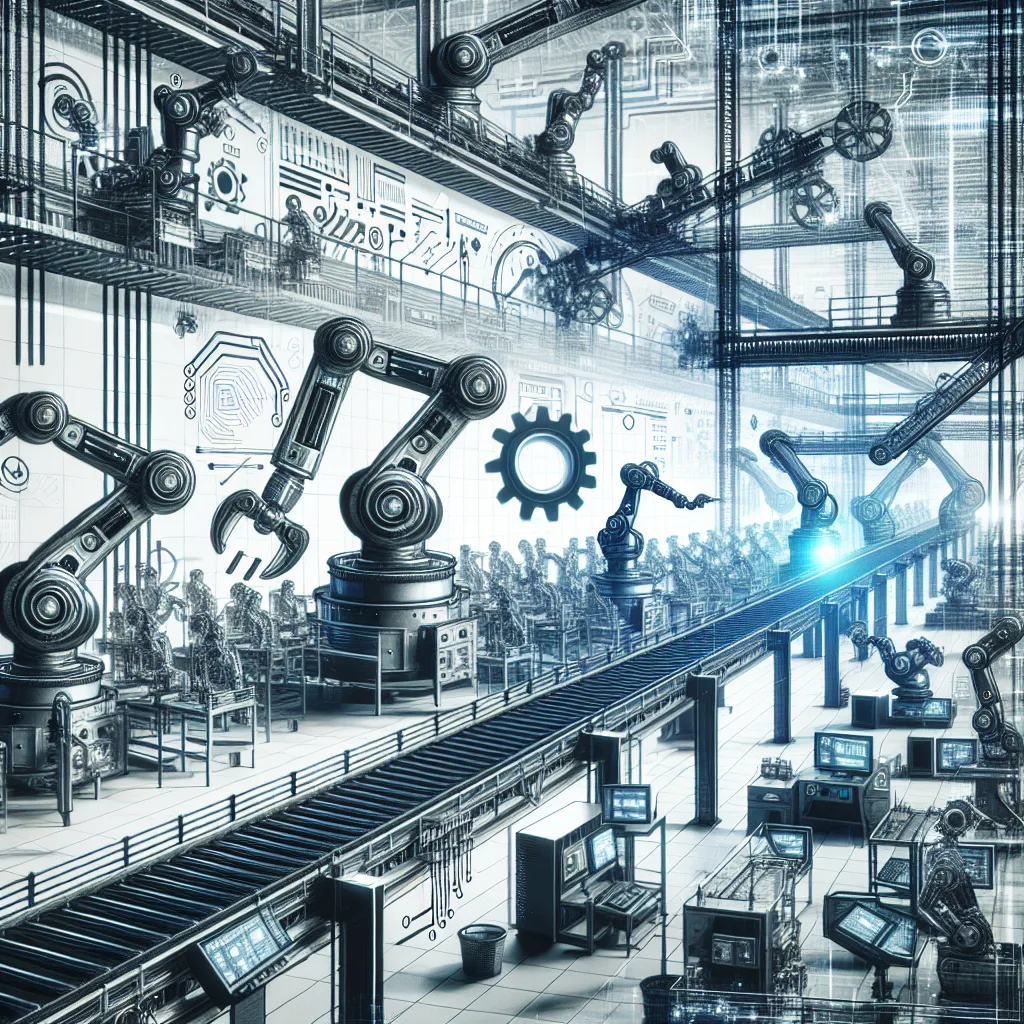
Bridging the Digital Divide: Securing AI Data in the Industrial Era
In a decisive move reflective of today’s increasingly interconnected security landscape, U.S. cybersecurity agencies—including the Cybersecurity and Infrastructure Security Agency (CISA), the National Security Agency (NSA), and the Federal Bureau of Investigation (FBI)—have jointly released a Cybersecurity Information Sheet titled “AI Data Security: Best Practices for Securing Data Used to Train & Operate AI Systems.” As industries rapidly adopt artificial intelligence technologies, robust data safeguarding practices have become imperative for everything from defense systems to manufacturing floors powered by platforms like Rockwell Automation’s FactoryTalk Historian and ThingWorx.
The document underlines that securing AI data is not merely a matter of protecting intellectual property or complying with regulatory measures—it is fundamental to ensuring the accuracy, reliability, and overall trustworthiness of mission-critical systems. In environments where industrial automation is rapidly meeting AI-driven analytics, the stakes in securing data integrity have never been higher.
As factories and critical infrastructure integrate legacy systems with cutting-edge digital technology, industrial platforms such as Rockwell Automation’s FactoryTalk Historian and ThingWorx illustrate the convergence of operational technology with AI’s promise. These platforms facilitate real-time data monitoring and predictive maintenance, but, as the new Cybersecurity Information Sheet warns, they also expand the attack surface, potentially exposing vulnerabilities that adversaries could exploit.
Historically, industrial systems operated in isolated environments where security was managed by physical barriers and dedicated networks. Over the past decade, however, the relentless drive towards digital transformation—an evolution visible in the integration of AI systems into industrial control—has required these once isolated networks to embrace connectivity. This evolution offers tremendous potential for efficiency gains and innovation, yet simultaneously challenges established cybersecurity practices.
Today’s joint release by U.S. agencies and international partners is a clarion call to Defense Industrial Bases, National Security Systems owners, federal agencies, and critical infrastructure operators. The information sheet outlines a series of best practices that aim to mitigate risks ranging from data corruption during training phases to malicious tampering during operation. Verified guidelines emphasize not only adopting advanced data protection measures but also proactively managing inherent risks associated with integrating AI into critical processes.
Central to the guidance is the understanding that data serves as both the lifeblood and the Achilles’ heel of AI systems. In this context, it is crucial for organizations—especially those operating cornerstone platforms in manufacturing and industrial automation—to:
- Adopt Robust Data Protection Measures: Ensuring encryption, continuous monitoring, and secure data storage are non-negotiable requirements in an age where data breaches can ripple across sectors.
- Manage Risks Proactively: This includes conducting regular audits and implementing risk management processes designed to identify and neutralize vulnerabilities before they can be exploited by threat actors.
- Strengthen Monitoring and Network Defense: Enhanced detection systems can serve as early warning mechanisms, allowing for rapid responses when anomalies arise within data feeds feeding AI algorithms.
For stakeholders in industries that rely on real-time analytics—such as those utilizing the FactoryTalk Historian in industrial settings—the importance of these protocols cannot be overstated. The reliability of AI predictions in predictive maintenance, operational optimization, and safety monitoring is inextricably linked to the integrity of the underlying data.
The issue matters deeply not only from a cybersecurity standpoint but also in terms of economic and operational stability. When industrial systems operate flawlessly, brands secure consumer trust, maintain competitive edges, and, more critically, ensure the safety of the workforce and the public. Compromised data integrity in these settings could lead to false readings, system malfunctions, or even large-scale operational shutdowns, thereby resulting in extensive financial and reputational damage.
Experts across technology and security domains have long stressed that the intersection of AI and industrial automation requires a shift from reactive measures to a proactive, culture-wide approach to data security. While the Cybersecurity Information Sheet does not single out any one system, it implicitly casts a critical eye toward platforms that merge operational data with AI-driven decision-making. Rockwell Automation’s FactoryTalk Historian, for example, plays a pivotal role in aggregating and contextualizing operational data. As industrial IoT (IIoT) environments expand, this platform, alongside integrative tools such as ThingWorx, will likely stand at the forefront of the challenge to secure data streams that not only support operational efficiency but also empower AI systems to function reliably.
Evidence from recent industry analyses confirms a growing concern: as reliance on AI deepens, vulnerabilities in data collection and transmission processes can transform isolated cybersecurity incidents into cascading failures affecting entire sectors. Previous joint notices and cybersecurity advisories underscore that harm from such breaches often extends far beyond immediate technical disruptions. They can lead to cascading operational failures and erode trust in both AI applications and the organizations that deploy them, especially in sectors where precision and reliability are paramount.
Looking ahead, the integration of AI technologies in industrial systems is expected to intensify, catalyzed by the ongoing digital transformation of manufacturing and critical infrastructure. Organizations are poised to collaborate more closely with cybersecurity experts and regulatory bodies to standardize practices that protect data throughout its lifecycle—from the initial gathering and training phases to the nuanced interpretation required during active operations. In this evolving landscape, the Cybersecurity Information Sheet will serve as both a benchmark and a rallying point for industries intent on bridging the gaps between legacy infrastructure and the digital future.
As regulatory frameworks gradually adapt and evolve, operators of systems like FactoryTalk Historian and ThingWorx will need to invest not only in advanced security technologies but also in cultivating a culture that values continuous vigilance over complacency. Policymakers, industry leaders, and security professionals must work in tandem to develop frameworks that enable rapid adaptation to emerging threats without sacrificing the innovation that AI brings to industrial operations.
The broader implications of this initiative extend far beyond the confines of any one agency or platform. It signals a crucial juncture in the digital evolution of industrial systems. As we merge the reliability of traditional operational technologies with the transformative potential of AI, the integrity of the data that fuels these systems becomes a linchpin for success.
In the final analysis, one must ask: in an era where every byte of data can tip the balance between operational excellence and catastrophic failure, how can organizations risk neglecting the fundamentals of data security? The collaborative effort by CISA, the NSA, the FBI, and international partners offers a timely reminder that the future of industrial automation—and the trust we place in it—rests squarely on how well we protect the data powering its evolution.



