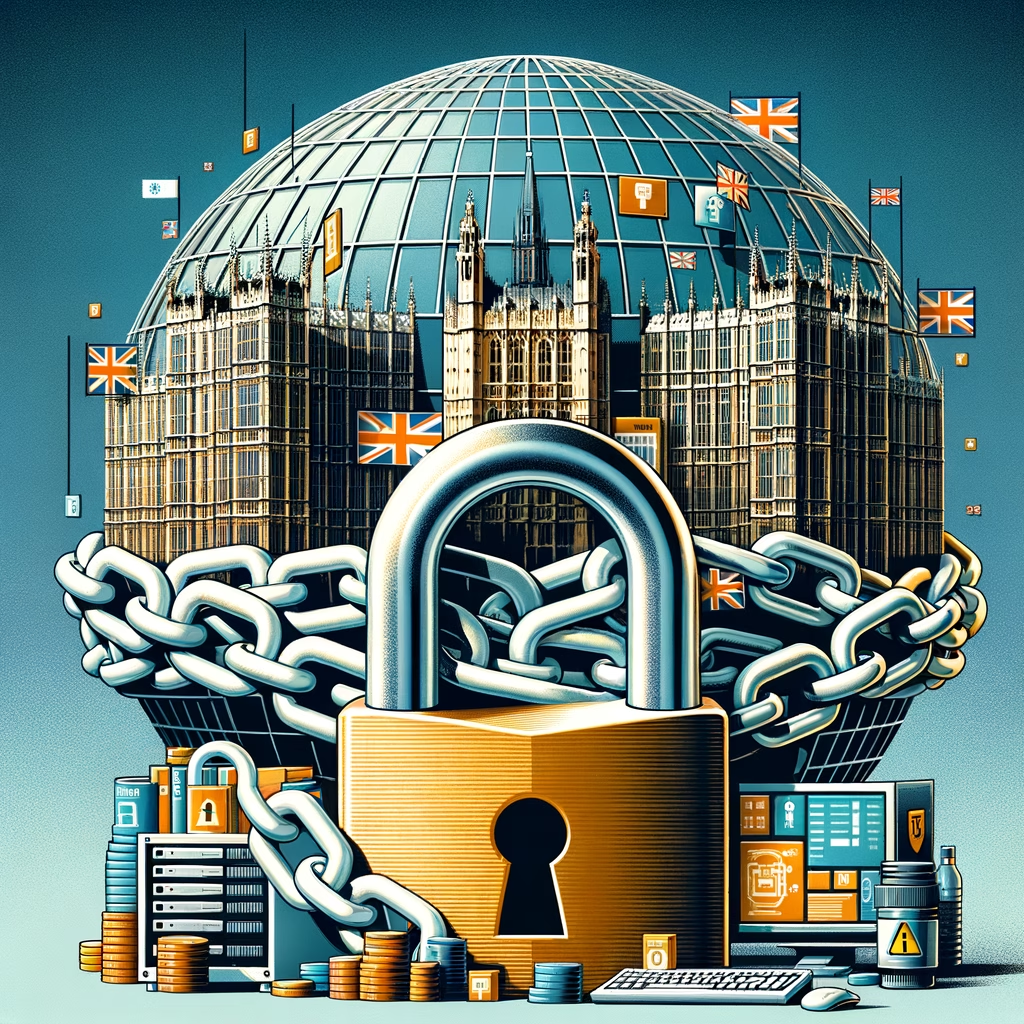
As ransomware attacks escalate, one pressing question reverberates through the halls of power and across public sector organizations: Should governments enable the payment of ransoms to cybercriminals? In a decisive move, the UK government has answered with a resounding “no,” enforcing a ban on ransomware payments for public sector and critical national infrastructure (CNI) organizations. This ban, backed by a recent public consultation indicating widespread support, signifies a pivotal shift in how governments tackle the burgeoning cyber threat.
Ransomware has evolved from a niche problem to a pervasive threat, crippling vital services and disrupting lives. The National Cyber Security Centre (NCSC) reports that attacks on organizations, especially those tasked with protecting public well-being, have surged in recent years. These incidents not only compromise data integrity but also jeopardize the very fabric of public trust in governmental capabilities. The UK’s decision to impose a payment ban reflects an urgent need for a robust response to this increasingly audacious form of cyber extortion.
During the public consultation, government officials found overwhelming backing for a ban on ransom payments, with participants voicing concerns that paying criminals could lead to further attacks and normalization of this extortion tactic. Home Secretary Suella Braverman highlighted the moral implications during a recent statement: “Paying ransoms only fuels this criminal industry, putting lives and livelihoods at risk.” Such sentiments underline the ethical dilemma at the heart of this decision: Should we negotiate with criminals who target public entities?
But while the decision is lauded by many as a bold stand against cybercrime, it is not without its detractors. Technologists caution that a blanket ban might have unintended consequences. Cybersecurity expert Dr. Jessica Barker has noted, “In certain cases, organizations may find themselves with no choice but to consider payment to protect sensitive data or critical services. A rigid prohibition could lead to greater chaos if emergency measures are stymied.” This perspective underscores the complexity of ransomware incidents, where the immediate goal may be safeguarding lives rather than adhering to policy.
Moreover, the implications extend beyond the immediate threat to the public sector. Policymakers must also consider the broader landscape of cybersecurity resilience. Experts like John Scott, a cybersecurity strategist at the Cybersecurity & Infrastructure Security Agency (CISA), advocate for enhancing defenses rather than relying on reactive measures. “The focus should be on strengthening our cyber capabilities to preempt attacks, not just responding after the fact,” Scott asserts. This suggests a need for robust investment in technology, training, and preventative strategies that could mitigate the risk of ransomware incidents altogether.
Users, particularly those interacting with public services, will also feel the effects of this decision. While the intention is to deter attackers, the reality may lead to operational disruptions during an attack. When critical services are paralyzed, citizens may question the effectiveness of this ban. For instance, if a local health service is incapacitated due to a ransomware attack, the ramifications can be dire. This raises a pertinent question: Is it ethical to impose a ban that could potentially jeopardize public services during an ongoing crisis?
As the UK forges ahead with this new policy, the stakes are undoubtedly high. The enforcement of a ransomware payment ban serves as both a preventative measure and a declaration of intent—one that may inspire similar actions globally. However, the path forward must be navigated with caution. The complexities of cybersecurity necessitate a balanced approach, incorporating not just prohibitive measures, but also a commitment to building resilience and readiness for when, not if, the next attack occurs.
In the face of rising cyber threats, one must ponder: Is a ban on payments truly a solution, or merely a reflection of a deeper, systemic vulnerability? The UK’s decision may pave the way for a new paradigm in cyber defense, but only time will reveal its true efficacy.




