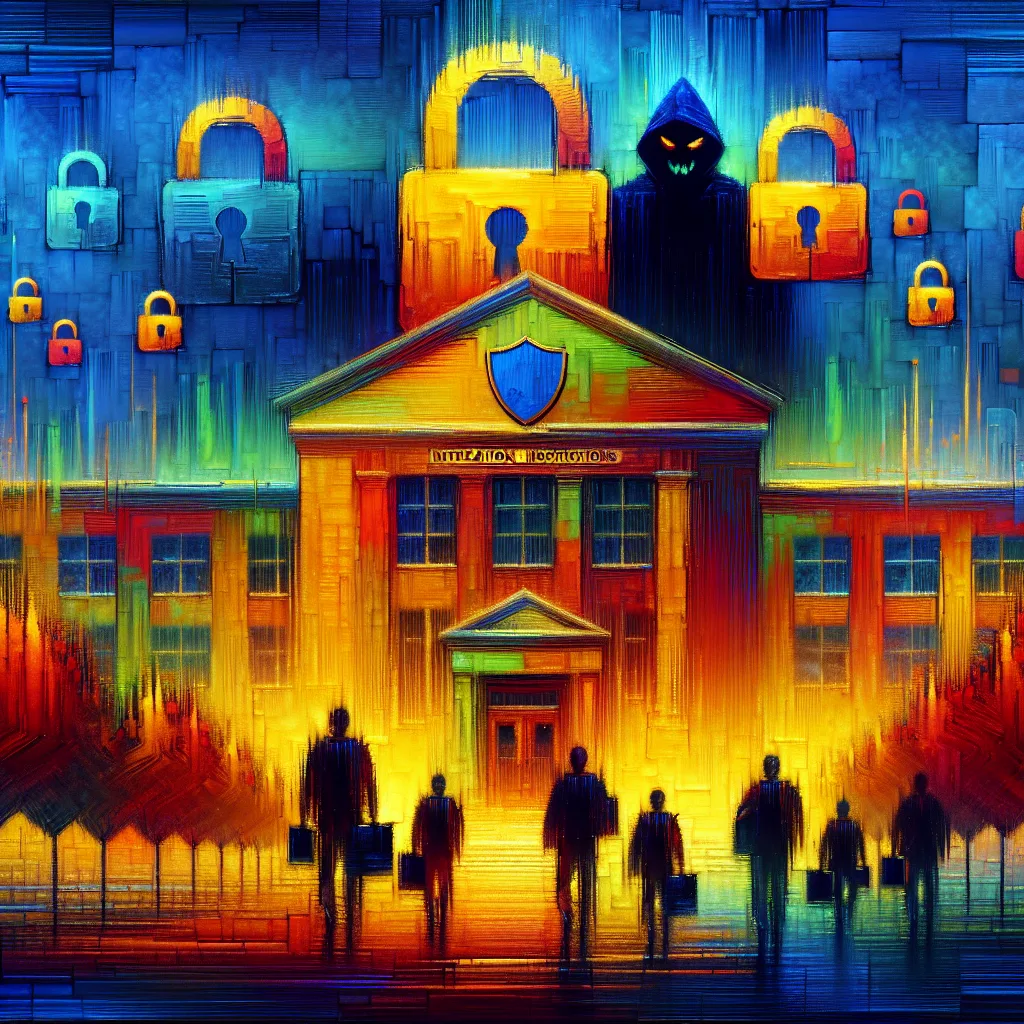
Classroom Integrity Under Siege: PowerSchool Extortion Sparks Security Overhaul
Recent reports have painted a troubling picture of a cyberattack wave targeting educators through the widespread PowerSchool platform—a critical hub for managing student data and academic records. In a brazen move, attackers have not only breached systems but have also shifted their tactics to extorting teachers. This unsettling development raises profound questions about how digital infrastructure in education is being gamed by criminal networks, and what that means for the safety and trust of the nation’s academic environment.
Over the past several months, multiple school districts across the United States have confirmed that threat actors have been sending extortion messages to teachers, demanding payments and promising to expose sensitive personal information and academic records if their demands are not met. The digital nature of PowerSchool, which is used in thousands of educational institutions nationwide, has now become an unintended conduit for cyber extortion, underlining vulnerabilities in systems many believed were secure.
The backdrop to this breach is not entirely surprising. As digital adoption accelerated in education—especially during the recent pandemic—a corresponding spike in cyber threats has ensued. The U.S. Cybersecurity and Infrastructure Security Agency (CISA) has long warned educational institutions about the increasing sophistication of cybercriminals. In this scenario, threat groups are exploiting both technical vulnerabilities and the human dimension, targeting teachers who may lack the cybersecurity training of their IT counterparts. This confluence of factors has produced a perfect storm for extortion, leaving many in the education sector reeling.
The immediate situation has evolved rapidly. Teachers, already under considerable strain from recent systemic challenges, now find themselves caught in a precarious balancing act between personal privacy and professional responsibility. School administrators and IT departments are scrambling to assess the damage, bolster defenses, and decide whether to comply with ransom demands. Law enforcement agencies, including the Federal Bureau of Investigation (FBI), are reportedly on high alert and are working with cybersecurity experts to trace the origins of these attacks and mitigate further risks.
One prevailing issue in these discussions is the extent to which organizations should entertain ransom payments. Security leaders are unequivocal: engaging with cybercriminals often emboldens them and can open the floodgates to additional attacks. “Organizations must weigh the immediate safety and privacy concerns against the long-term ramifications of negotiating with criminals,” noted an official from CISA in a public advisory statement. This cautious approach, underscored by previous incidents in various sectors, has prompted a reevaluation of incident response policies and a call for more robust cybersecurity strategies nationwide.
Industry experts have described the current crisis as emblematic of a larger trend, where the lines between digital and physical security blur. In the case of PowerSchool, extorting teachers not only disrupts educational operations but also puts individual educators in a highly vulnerable position. The fear of compromised personal data, potential social stigma, and professional repercussions weighs heavily on affected teachers. More broadly, the incident threatens to undermine the confidence that educators and the public have in the digital systems meant to safeguard the integrity of the classroom.
For many cybersecurity analysts, the scenario serves as a catalyst for change. According to recommendations from certified cybersecurity professionals, organizations should consider the following actions:
- Enhance Training: Regular, targeted training for educators on recognizing phishing attempts and other cyber threats can reduce the risks associated with extortion schemes.
- Reassess Incident Response Protocols: Updating policies to include clear guidelines for when to engage with extortionists—and, more importantly, how to involve law enforcement—can help mitigate future incidents.
- Strengthen System Security: Investing in advanced cybersecurity measures, such as multi-factor authentication and end-to-end encryption, can fortify platforms like PowerSchool against intrusion attempts.
- Promote Transparency: Open communication between school administrators, IT departments, and teachers is essential for ensuring timely responses and minimizing damages in the event of future breaches.
Critically, this situation underscores a persistent challenge: the human element in cybersecurity. Teachers, responsible for shaping the next generation, are now being placed in a position where their personal security is at risk simply because their professional tools have been compromised. For many, this creates a dual burden—the stress of managing an already chaotic digital transition compounded by the threat of becoming entangled in cybercrime.
Looking ahead, policymakers and educational leaders are faced with the daunting task of recalibrating their strategies. With cyber extortion representing an escalating threat, expectations are high that federal and state initiatives will increasingly incorporate cybersecurity funding and legislative support. In the coming months, we can expect to see a tightening of regulations around data protection and a surge in investments aimed at modernizing digital infrastructure within schools. The fallout from extortion incidents such as those impacting PowerSchool will likely spur a broader dialogue about the balance between accessibility and security in educational technology.
For many in the cybersecurity field, the case is a reminder of the constant evolution of cyber threats—a dynamic where criminals continually adjust their techniques and targets. As the digital landscape evolves, the importance of vigilance, collaboration, and strategic foresight grows ever more apparent. Educational institutions are now being urged to not only protect data but to safeguard the very people who interact with these systems on a daily basis.
In the final analysis, the PowerSchool extortion episode is more than a stark reminder of technology’s vulnerabilities; it is a call to action. It challenges all stakeholders—from school boards and IT directors to government officials and policy strategists—to craft a more resilient future. How will our educational systems adapt and protect those who serve our future generations, when even the sanctuaries of learning are under siege by digital brigands?



