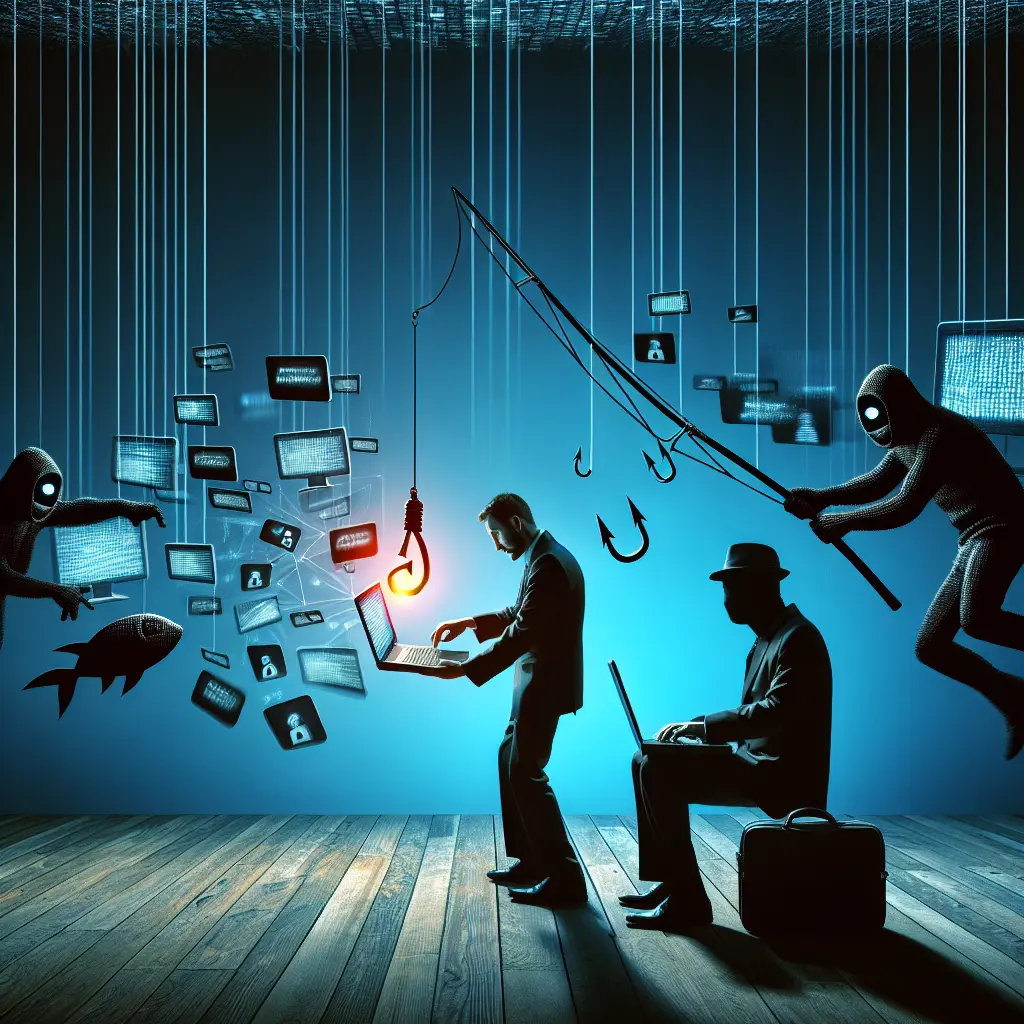
Phishing Platforms and Info-Stealers Drive Surge in Identity Attacks
In an era increasingly defined by digital interactions, where a mere click can open the door to personal and corporate vulnerability, the stakes have never been higher. Researchers have sounded the alarm over a 156 percent surge in cyberattacks targeting user logins, attributing this alarming trend to sophisticated phishing kits and advanced info-stealing malware. The implications are profound: organizations risk falling prey not only to Business Email Compromise (BEC) schemes but also ransomware attacks that can cripple operations overnight.
The rapid evolution of cyber threats is underscored by the proliferation of advanced phishing platforms that allow even novice cybercriminals to execute highly targeted attacks with alarming ease. These platforms, often sold on the dark web, offer comprehensive toolkits capable of bypassing traditional security measures, thereby democratizing access to cybercrime. Users can purchase pre-built phishing websites or malware-as-a-service offerings, enabling them to launch campaigns that were once the domain of only the most technically adept hackers.
As we delve deeper into this crisis, it’s crucial to understand the historical and contextual backdrop that has enabled such a rise in identity attacks. The past decade has witnessed an explosion in digital transformation across sectors, with businesses moving vast swaths of their operations online. This shift has inevitably created a larger attack surface for cybercriminals. In 2020 alone, remote work became ubiquitous due to the COVID-19 pandemic, further compromising data security as employees accessed corporate resources from less secure home networks. This change not only expanded potential vulnerabilities but also instilled a false sense of security among many organizations.
Currently, cybersecurity professionals are grappling with unprecedented threats. A recent report from cybersecurity firm Cybereason indicates that over 85 percent of organizations experienced an attempted phishing attack within the last year. Major tech firms and government agencies are stepping up their defenses; however, the sheer volume and sophistication of these attacks present significant challenges. For instance, just last month, a high-profile BEC incident resulted in a multinational corporation losing millions due to an employee being duped into transferring funds to a fraudulent account masquerading as a trusted vendor.
The increase in identity theft extends beyond financial losses; it jeopardizes public trust and damages reputations built over decades. As organizations grapple with these concerns, it becomes evident that maintaining robust cybersecurity measures is no longer optional—it’s essential for survival in today’s threat landscape. The public’s increasing awareness and concern regarding data privacy further amplify this urgency.
Experts suggest that organizations must adopt a multi-faceted approach to address these rising threats effectively. Dr. Jessica Baker, a prominent cybersecurity analyst at TechGuard Consulting, emphasizes the importance of continuous education and training for employees as frontline defenders against phishing attempts. “We need to foster a culture of cybersecurity awareness,” she states. “Employees should be educated not just about how to recognize suspicious emails but also about the broader tactics employed by cybercriminals.” Furthermore, implementing multi-factor authentication (MFA) can add crucial layers of security that make unauthorized access significantly more difficult.
Looking ahead, several trends may emerge as organizations adapt to this evolving threat landscape. There is likely to be increased regulatory scrutiny surrounding data protection practices and cybersecurity resilience plans. Governments may impose stricter penalties on corporations that fail to safeguard sensitive information adequately—an outcome supported by ongoing discussions among lawmakers worldwide regarding potential reforms in cybersecurity legislation.
In conclusion, as we navigate this complex digital age rife with perilous identity theft schemes driven by advanced technologies, one question looms large: How prepared is your organization for the next wave of cyberattacks? With stakes this high, ensuring proactive measures are in place is not just wise—it’s imperative for any organization aiming to thrive amid uncertainty.