"We shall not compromise on the safety and security of our citizens , which remains our top priority," Information Minister Attaullah Tarar wrote as Islamabad announced a two-part operation that it said killed 29 militants along the Afghanistan frontier on the night of 28/29 June.
Details of the two-part operation: Bajaur ground raid and cross-border strikes
Pakistan’s military described the action as beginning with an intelligence-based ground operation near the border in Bajaur, Khyber Pakhtunkhwa, where authorities said a "high-value" commander named Khan Farosh was killed along with three others. Tarar then said precision strikes destroyed three targets inside Afghanistan — in Paktia, Paktika and Kunar provinces — and that 25 fighters were killed there, with weapons and ammunition at the hideouts destroyed.
Karachi attack that preceded the operation
The government framed the action as defensive and tied the timing to an attack on the Karachi regional headquarters of the paramilitary Rangers the night before. Militants armed with guns and explosives killed three soldiers in that assault; security forces killed three attackers and captured a fourth, wounded, whom the military identified as an Afghan national. Jamaat‑ul‑Ahrar claimed the Karachi attack in a statement, and the Inter‑Services Public Relations (ISPR) said it would carry out "retribution operations" against those responsible.

The cyber insurance questionnaire just landed. Now what?
SOC 2, HIPAA, insurance renewals - someone has to own security strategy. Nubivance provides fractional CISO leadership without the full-time salary.
Get a security leadCasualty claims, attribution, and Kabul’s response
All casualty totals reported for the border strikes — 29 militants killed overall, 4 in Bajaur and 25 in the three Afghan provinces — come from Pakistan’s account. The report noted there was no independent verification of the numbers or identities of those killed when the strikes were reported. There was no immediate response from Kabul; Afghanistan had not commented on the statement. The government did not formally declare a direct link between the Karachi attack and the cross‑border strikes, although the action followed within a day.
How the strikes fit into the broader campaign and recent history
The 28/29 June action followed a pattern of cross‑border operations in a conflict described in the reporting as active since late February. Islamabad declared "open war" after exchanges earlier in the year — Pakistani airstrikes on eastern Afghanistan drew a Taliban retaliation, and Pakistani aircraft bombed Kabul and Kandahar. The United Nations reported at least 372 Afghan civilians killed and 397 wounded in the first three months of 2026. Pakistan’s June 10 strikes on Khost, Kunar and Paktika were cited as the prior high‑profile round: Pakistan claimed 26 militants killed while Kabul reported 13 civilian deaths, most of them children.
Quwa’s assessment: a structural ‘Look West’ reorientation and its costs
Quwa’s analysis framed the recent strikes as part of a longer reorientation of Pakistan’s defence posture toward the western frontier. The analysis argued the western border has moved from an episodic problem to a standing, primary defence requirement because a Tehrik‑e‑Taliban Pakistan (TTP) that has found sanctuary in Taliban‑governed Afghanistan, along with rising militant activity, has made the western frontier more active. ACLED data cited in the report recorded 2,425 militant incidents across Pakistan in 2025, close to four times the 2022 figure — a trend Quwa said narrows internal debate about treating the west as a priority.
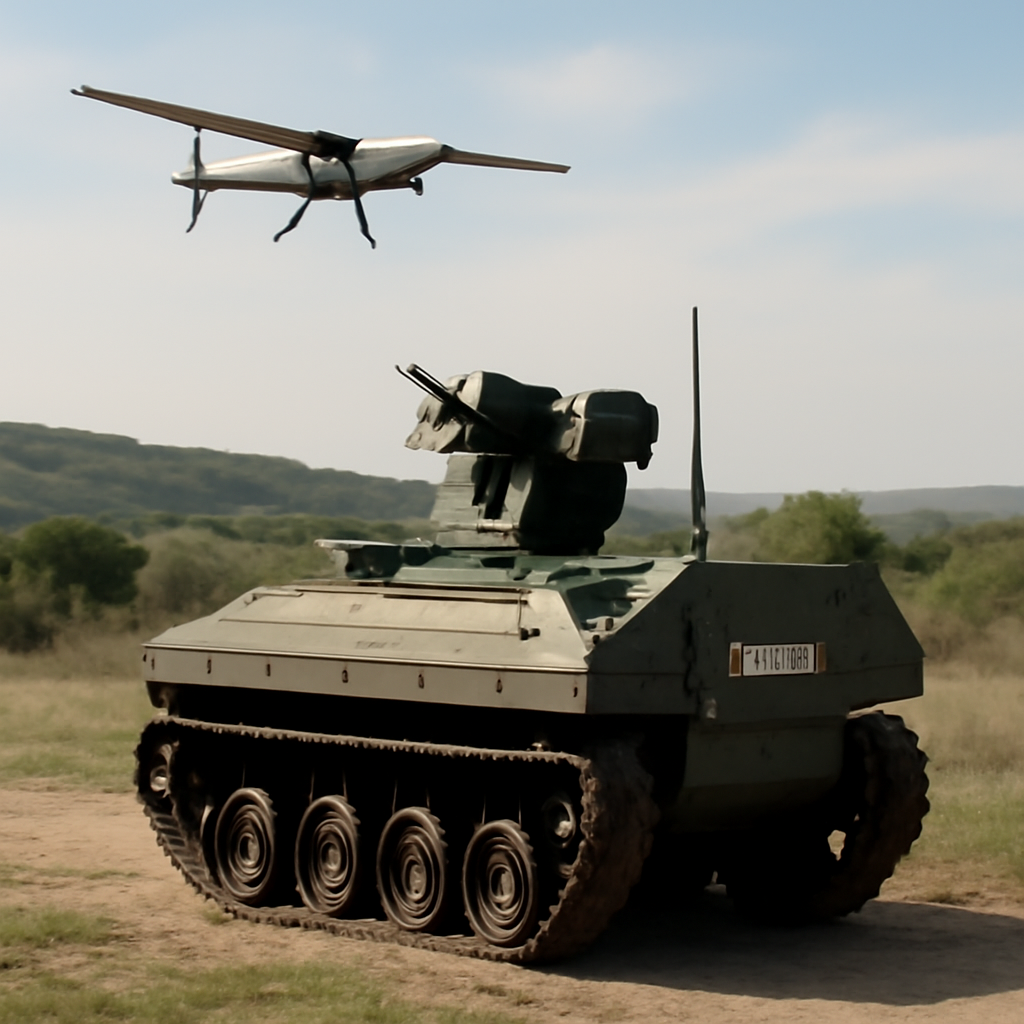
Quwa listed the practical demands of a sustained campaign: high‑volume stand‑off precision munitions, persistent intelligence, surveillance and reconnaissance (ISR), affordable armed and loitering munitions, counter‑UAS provisions for forward outposts, MRAP vehicles to protect troops along border roads, and attack helicopters for responsive close support. The piece noted the campaign rewards "volume, persistence, and affordability – e.g., as demonstrated by the JF‑17 and its range‑extension‑kit pairing" and warned that Pakistan’s fiscal constraints mean resources devoted to the west will limit eastern‑front modernization unless dual‑use solutions are prioritized.
How Islamabad, Kabul, and the Pakistani security establishment are positioned
- Islamabad: Framed the operation as defensive and presented the strikes as a direct effort to protect citizens after the Karachi attack, while continuing to accuse the Afghan Taliban government of sheltering militants.
- Kabul: Had not commented on the June 28/29 statement; Kabul previously denied charges that it shelters TTP and other militants and had reported civilian casualties after earlier strikes.
- The Pakistani security establishment: According to Quwa, repeated high‑profile attacks and cross‑border responses are pushing the wider establishment toward prioritizing the western frontier — a shift that implies changes to basing, ISR coverage and quick‑reaction strike assets, but that will be constrained by resources and time.
The June strikes underscore a persistent, politically charged cycle: a high‑profile domestic attack, an immediate military response, and an analytical argument that each round strengthens the case for a long‑term reallocation of Pakistan’s defence attention westward. Whether the recent operation becomes an inflection point that consolidates that reorientation or simply another chapter in an ongoing cycle of cross‑border violence remains the central question left by these events.