Pacific Multidomain Task Forces Embrace the Drone Frontier
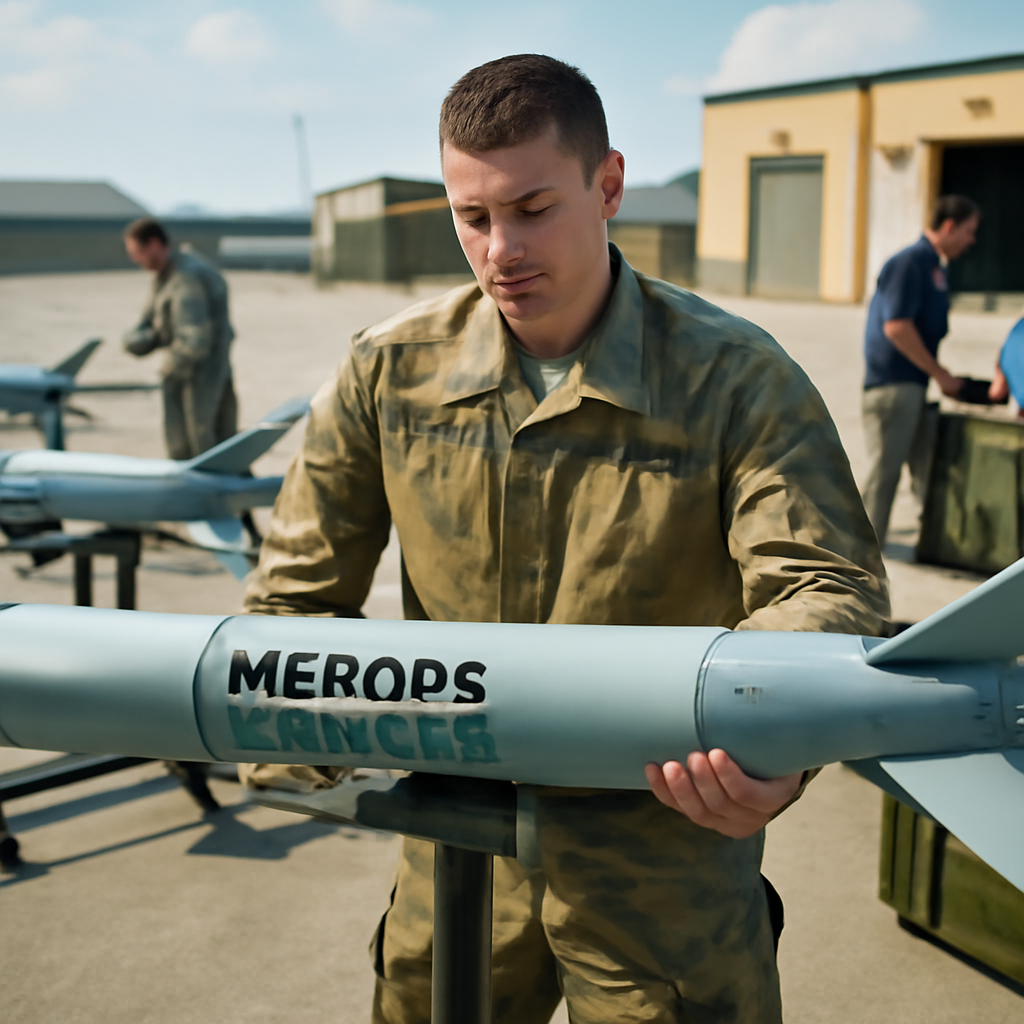
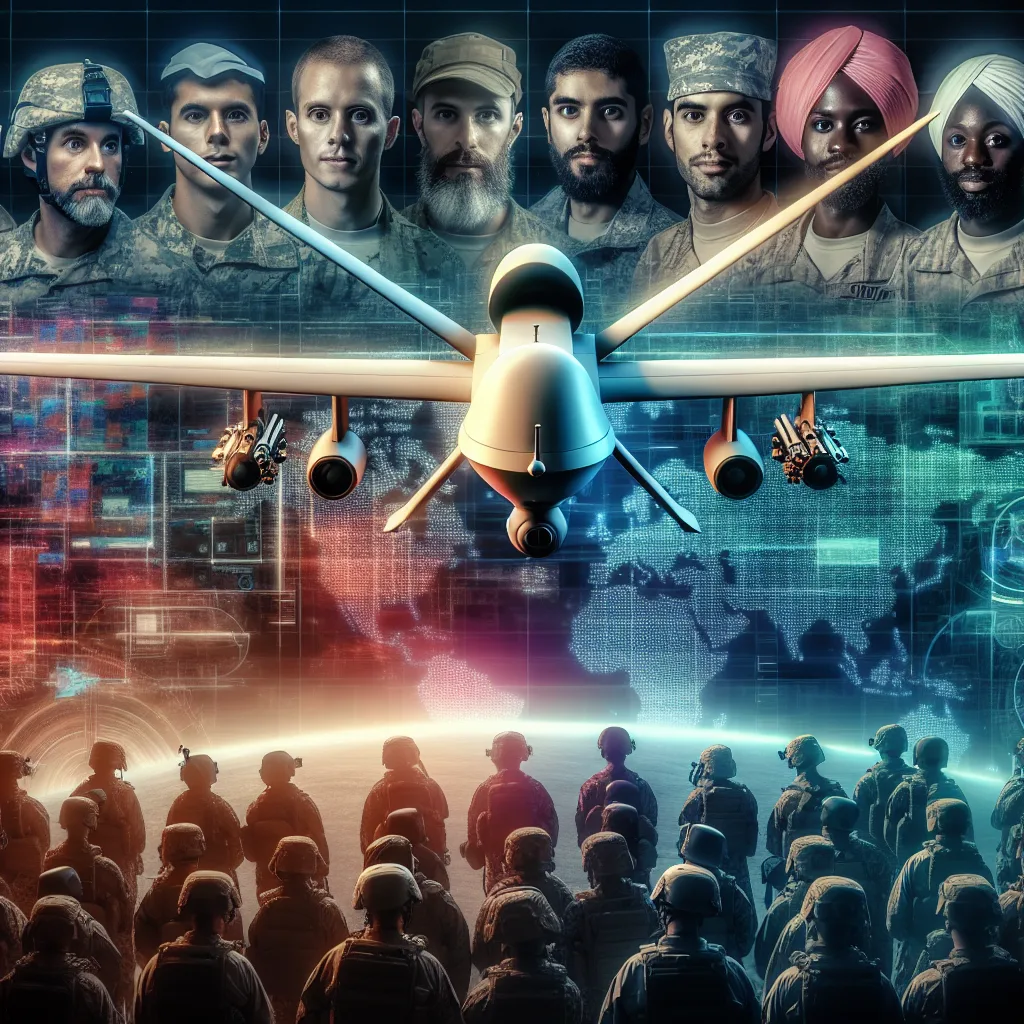
The military landscape in the Pacific is evolving rapidly as the United States refines its approach to modern warfare. At the center of this transformation, Pacific Multidomain Task Forces (MDTFs) are now stepping into a groundbreaking role—serving as Transformation-in-Contact units by spearheading the experimentation with next-generation long-range drones.
This initiative represents not merely a technical upgrade but a comprehensive shift in how armed forces integrate novel aerial assets into a multidomain operational framework. By exploring capabilities that push the boundaries of surveillance, precision strike, and persistent presence, these task forces signal a broader effort to maintain a strategic edge in an increasingly contested region.
Historically, the Pacific region has been a crucible of military innovation and transformation. Since the end of the Cold War, the United States has steadily restructured its forces to better address hybrid threats and emerging technologies. The establishment of MDTFs embodies years of doctrinal evolution—combining elements of cyber, space, sea, air, and ground operations. The emphasis on long-range drones is particularly resonant, as they promise to extend the reach of the U.S. military while mitigating risks to human pilots.
As Transformation-in-Contact units, these MDTFs are designed to be agile and adaptive. They provide a testing ground for innovative tactics in real-world environments where lessons learned quickly shape broader strategic policy. The current experiments focus on long-range next-generation drones, envisioned to overcome traditional limitations by leveraging advanced sensors, artificial intelligence, and networked communications. While soft power and deterrence have long been pillars of U.S. presence in the region, these new platforms could well redefine responses to asymmetric threats.
According to publicly available Department of Defense briefings, the integration of these unmanned systems is part of a comprehensive shift toward distributed operations. Officials have emphasized that such experiments are crucial to developing a flexible force posture capable of simultaneously deterring adversaries and protecting U.S. interests. Strategic documents from the Pentagon underscore that next-generation long-range drones are not solely about extended surveillance—they are designed to operate seamlessly with other military platforms, delivering precision strikes when necessary while remaining virtually untouchable in contested environments.
Experts in military strategy have observed that the union of next-generation drone technology and MDTFs marks a pivotal juncture in modern defense. For example, recent analyses published in renowned defense outlets have noted how such systems could change the operational calculus across the Pacific theater. By operating in tandem with conventional and cyber capabilities, these drones could offer an unprecedented ability to pre-empt threats and assert situational control in an era marked by hybrid warfare.
Several clear benefits are recognized by military strategists:
- Extended Operational Reach: Drones equipped with long-range capabilities effectively extend the operational envelope beyond what is traditionally possible, deterring adversaries by increasing the risk of detection and engagement.
- Enhanced Safety: Removing pilots from the immediate theater reduces human risk in environments fraught with both conventional and unconventional hazards.
- Interoperability and Flexibility: The integration of drones into broader multidomain operations allows for real-time data sharing and coordinated responses, ensuring that tactical decisions are informed by a comprehensive operational picture.
Nevertheless, this ambitious stride forward is not without its challenges. Integration hurdles such as secure communication, airspace management, and evolving threat countermeasures remain at the forefront of operational planning. Senior U.S. military planners stress that as long as adversaries continue to adapt, so too must U.S. technology and doctrine. A careful balancing act is underway: while the promise of long-range drones is vast, so too is the imperative to ensure that these systems do not inadvertently escalate tensions in a region already characterized by dynamic power plays.
Observers note that the Pacific theater, with its complex geopolitical tapestry, will demand that these next-generation technologies prove not only technologically superior but also strategically resilient. The lessons learned during these transformation experiments will likely influence broader U.S. military strategies in years to come, particularly as adversaries such as the People’s Republic of China and other regional actors develop countermeasures of their own.
Looking forward, military strategists and policymakers alike will be closely monitoring the outcomes of these experimental integrations. The next few years are expected to see increased funding, refined protocols, and deeper joint exercises designed to seamlessly blend manned and unmanned platforms. The eventual objective—achieving a full-spectrum, multidomain readiness that can rapidly pivot in the face of evolving threats—remains at the core of the transformation agenda.
The journey toward a fully integrated, agile, and technologically advanced defense posture is long and fraught with hurdles. However, the Pacific Multidomain Task Forces’ commitment to leveraging next-generation long-range drones underscores a broader truth: innovation in military affairs is as much about challenging existing paradigms as it is about adopting new technologies. As the experiments continue, one must ask—will these emerging capabilities redefine the future of warfare, or will the challenges of integration and counter-strategies temper their transformative potential?