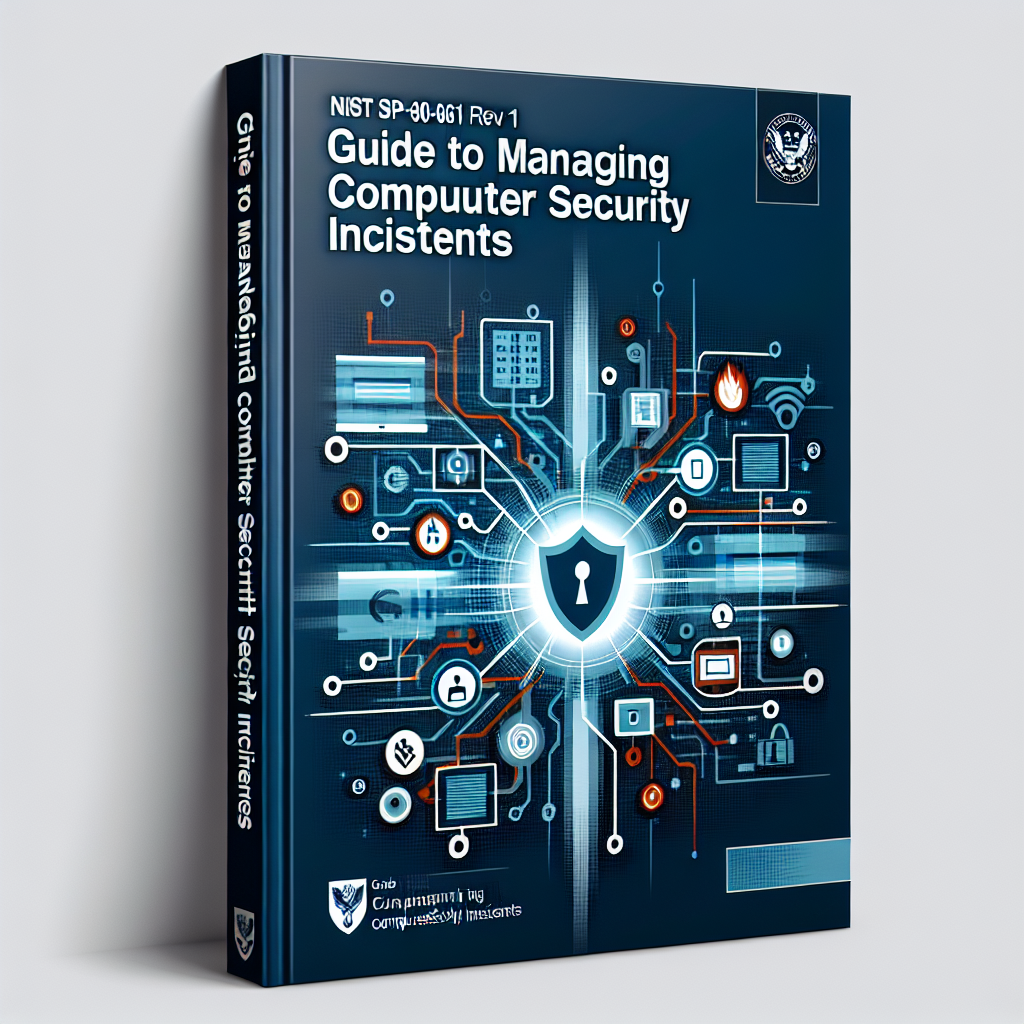
Summary of NIST SP 800-61 Rev 1: Managing Computer Security Incidents
Overview
NIST SP 800-61 Rev 1 provides comprehensive guidance on managing computer security incidents. It emphasizes the importance of establishing effective processes for detecting, responding to, and recovering from cyber incidents. The document serves as a crucial resource for organizations aiming to enhance their incident response capabilities and minimize the impact of security breaches.
Key Points
- Incident Response Lifecycle: The guide outlines a structured incident response lifecycle, which includes preparation, detection and analysis, containment, eradication, recovery, and post-incident activity.
- Preparation: Organizations are encouraged to develop and implement incident response plans, conduct training, and establish communication protocols.
- Detection and Analysis: Effective monitoring and analysis of security events are critical for timely incident detection. The guide stresses the use of automated tools and threat intelligence.
- Containment and Eradication: Immediate containment strategies are vital to prevent further damage, followed by thorough eradication of the threat.
- Post-Incident Activity: Conducting a post-incident review helps organizations learn from incidents and improve future response efforts.

The cyber insurance questionnaire just landed. Now what?
SOC 2, HIPAA, insurance renewals - someone has to own security strategy. Nubivance provides fractional CISO leadership without the full-time salary.
Get a security leadIT Relevance
The implications of NIST SP 800-61 Rev 1 extend across various IT domains, including security, cloud computing, networking, and compliance. Organizations leveraging cloud services must ensure that their incident response plans account for the unique challenges posed by shared environments. Additionally, compliance with industry regulations often requires adherence to established incident response protocols, making this guidance essential for maintaining regulatory standards. By implementing the recommendations outlined in the guide, organizations can bolster their security posture, enhance resilience against cyber threats, and ensure a swift recovery from incidents.



