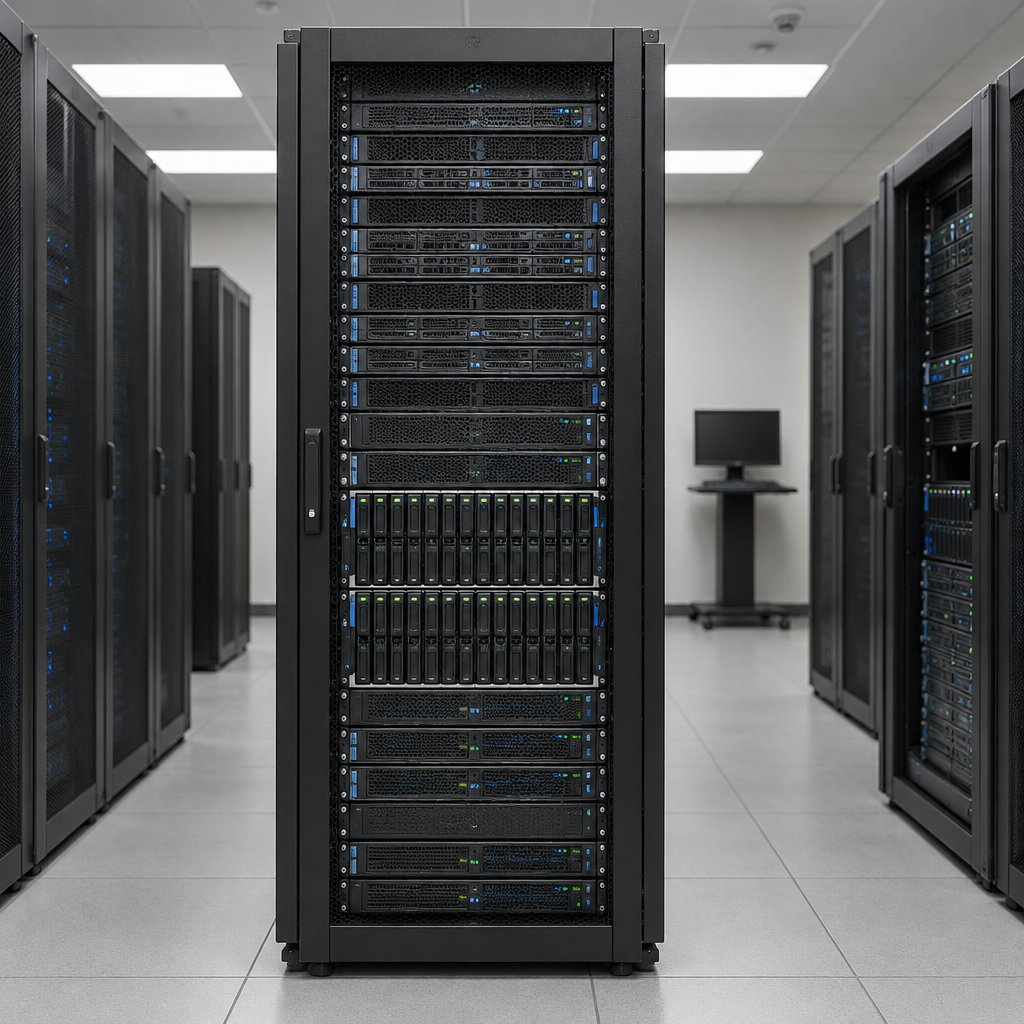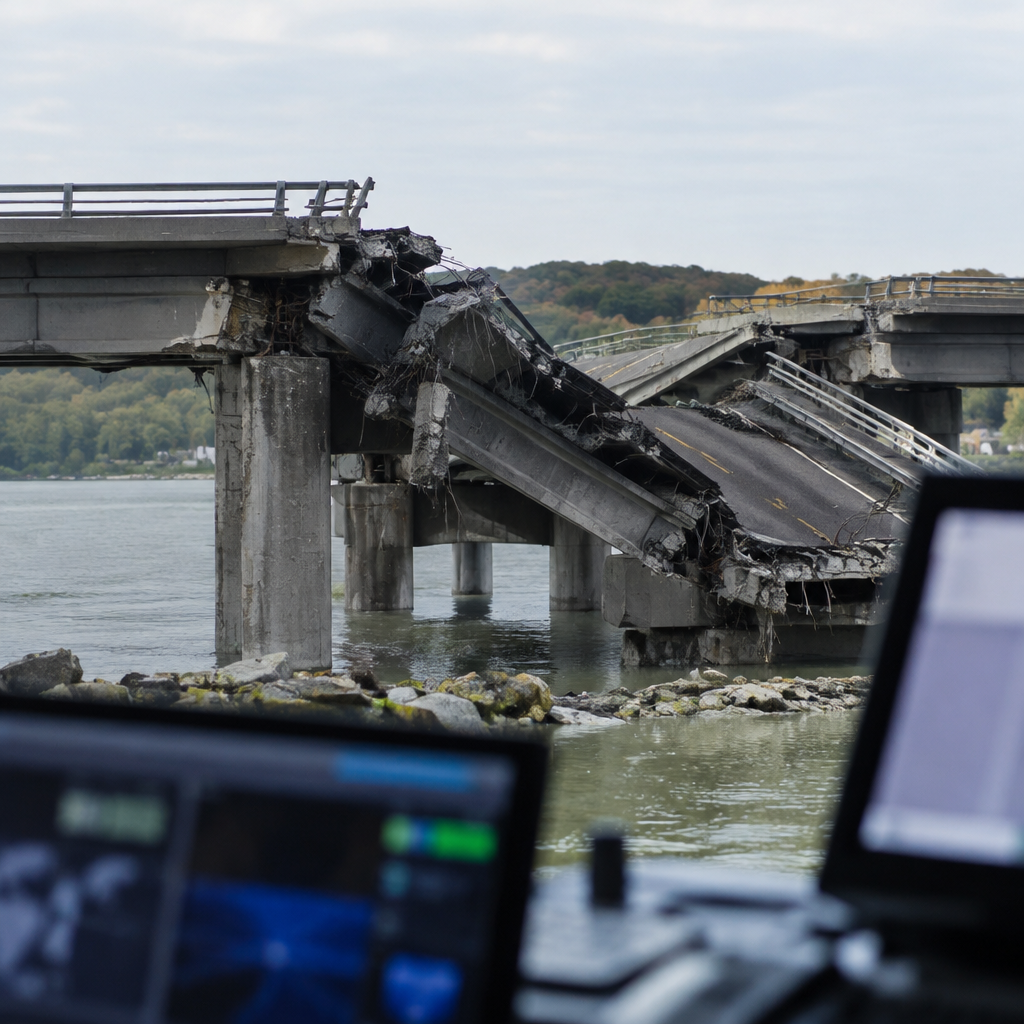
Our computerized infrastructure is vulnerable and fragile, and when it fails, it tends to fail badly.
A bad week reported: Microsoft, the FAA, banks, United Airlines, and the NSA
The roundtable essay in The Free Press opens with a catalog of high-profile disruptions — “Microsoft, the FAA, banks, United Airlines, the NSA—it’s been a really bad week in cyberspace.” It stresses that, astonishingly, these incidents are not, so far as the essay’s account goes, related to each other and “are not the result of cyberattacks.” The piece adds that they are “not even related to AI,” while noting one caveat: “(Well, that’s mostly true. The NSA will probably never tell us what went wrong.)” In other words, multiple major outages and failures occurred in close proximity, but the essay treats them as coincidences rather than a coordinated campaign.
Why the failures look so severe: age, patchwork upgrades, and hobbyist maintenance
The essay argues that technical fragility is not a mystery so much as a condition: much of the computerized infrastructure is old, “incrementally patched and upgraded,” and in many cases “just barely works.” It also highlights an underappreciated human factor: “a surprising amount of it is maintained by hobbyists, without any recompense.” These three traits — legacy code, ad‑hoc upgrades, and informal maintenance — combine to increase the chance that routine faults cascade into visible, widespread failures.

This site is the portfolio.
OSINTSights runs on Cloudflare Workers, D1, R2, and Vectorize, with an AI pipeline on Hetzner ARM. Nubivance designed, built, and operates it. We do the same for clients.
See what we buildCentralization and single points of failure
Another structural driver cited in the essay is centralization. As more systems converge on the same platforms and services, failures in one place have outsized consequences across many aspects of everyday life. The piece frames this as the creation of “single points of failure” — concentrated dependencies that turn otherwise manageable problems into systemwide shocks.
Costs, incentives, and the role of shareholder capitalism and private equity
At the heart of the essay is an argument that the fragility of infrastructure is principally economic. “Security, safety, resilience, redundancy, recoverability—these are all essential parts of reliable technology, but they are all costs,” the essay states. Those costs are “inefficient” in a short‑term accounting sense, and the incentives of modern shareholder capitalism, “and private equity in particular,” push firms to eliminate such inefficiencies to raise near‑term profits. The essay adds that competition itself can be an inefficiency — while monopolization removes competition in pursuit of short‑term profit — and that these market pressures produce brittle systems that are “more susceptible to cyberattack” and to random mistakes. Summed up in blunt terms: as society “allows unregulated capitalism to privatize gains while socializing risks, the more we should expect these sorts of failures.”
What this means for technologists, policymakers, and the general public
- Technologists and security teams: Expect to keep working on patching legacy systems and compensating for centralized dependencies. The essay’s account implies that many critical components will remain underfunded or informally maintained, so operational teams will continue to face brittle, high‑consequence environments.
- Policymakers and regulators: The essay frames fixing these problems as political first and technical second — remedying incentives will require regulation and control, and “finding the political will to stand up to moneyed interests” is portrayed as the central hurdle to making infrastructure more resilient.
- The general public and end users: Because failures stem from economic design choices as much as from technical bugs, the essay warns that outages will recur unless incentives change; the costs of more resilient systems will not be borne voluntarily under current market pressures, so users should expect the status quo to produce more high‑visibility failures.
The essay concludes with a pointed practicalism: while technical solutions exist, the obstacle is political. “‘What to do’ is easy; finding the political will to stand up to moneyed interests and do it is hard,” the roundtable piece says. That simple formulation leaves the debate where it must be resolved — in policy choices about who pays for resilience, how systems are regulated, and whether short‑term profit motives will be allowed to govern the foundational technologies society depends on.
https://www.schneier.com/blog/archives/2026/11/we-get-the-infrastructure-we-pay-for.html