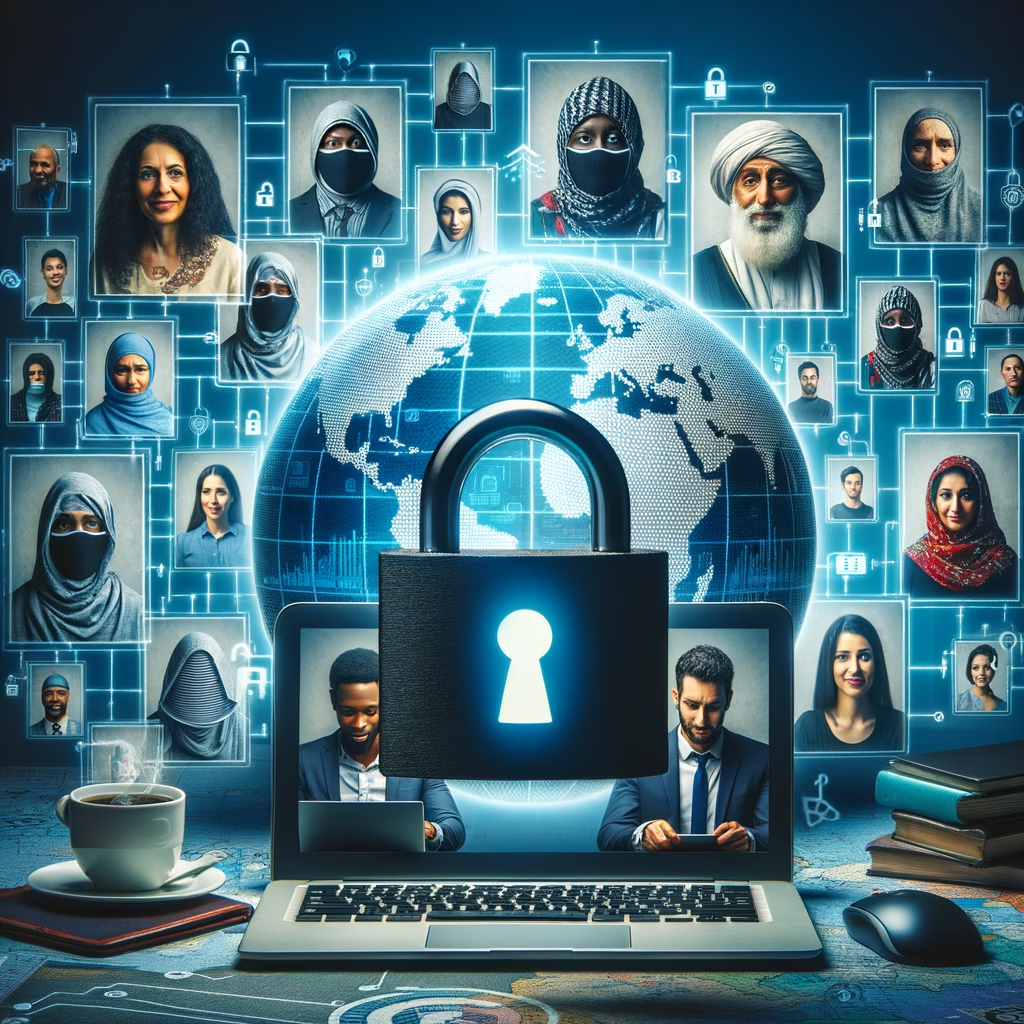
In a world where the gig economy thrives, a growing number of individuals are balancing multiple jobs—often referred to as “side hustles.” Nearly 50% of Gen Z has embraced this trend, marking the highest percentage of any generation. But with opportunity comes risk: could these hustles be exposing workers to heightened cybersecurity threats?
As our lives intertwine more with technology, the divide between professional and personal security becomes increasingly blurred. The rise of multi-job hustles presents not just an economic boon but also a complex dilemma for young workers navigating the digital landscape. A recent survey by IBM suggests that 72% of cybersecurity breaches originate from human error, an alarming statistic that underscores the vulnerability faced by those juggling multiple digital identities.
Technologists have long warned about the perils of inadequate cybersecurity practices among workers. “When people engage in side hustles, they often use the same devices for personal and professional work,” notes Laura Galante, a cybersecurity expert. This practice can lead to disastrous security oversights, such as using the same passwords across platforms or neglecting to update software. “With the lines blurred between their primary job and side hustles, workers may inadvertently open themselves up to phishing attacks or malware,” she adds.
For policymakers, the implications are equally concerning. As the workforce evolves, the need for robust cybersecurity regulations becomes ever more critical. “We’re seeing a rapid shift in the labor market that our laws and protections simply aren’t keeping pace with,” argues Senator Maria Cantwell, a member of the Senate Committee on Commerce, Science, and Transportation. “If we want to protect workers and their livelihoods, we need to address these vulnerabilities head-on.”
However, it’s not just policymakers and technologists who must take notice; individual users bear a significant responsibility as well. For many, the allure of extra income often overshadows the need for vigilance. “I never really thought about the risks when I started my side gig,” admits Jake Palmer, a 23-year-old freelancer. “I just wanted to make some quick cash, but now I realize I could be exposing myself to a lot more than I bargained for.”
On the other side of the equation, adversaries are constantly on the lookout for weaknesses to exploit. Cybercriminals, particularly in the age of economic uncertainty, have become adept at targeting those who may be preoccupied with juggling multiple tasks. The FBI’s Internet Crime Complaint Center reports a staggering rise in complaints from gig workers, who often lack the resources to implement comprehensive cybersecurity measures. “They are the low-hanging fruit,” said Special Agent John W. Boles, who investigates cybercrime. “Many of these workers don’t have the same level of training or awareness as full-time employees.”
As we reflect on these interconnected challenges, the question emerges: how can individuals protect themselves while pursuing their entrepreneurial aspirations? Simple measures, such as employing strong, unique passwords, enabling two-factor authentication, and regularly updating software, can go a long way in safeguarding personal information. Yet, it is essential for young workers to recognize that their digital footprint is not only a matter of personal convenience but a critical facet of their overall security.
As the gig economy continues to flourish, the dual-edged sword of opportunity and risk becomes increasingly pronounced. Will the pursuit of financial independence through side hustles come at the cost of personal security? As we delve deeper into this evolving landscape, one thing is clear: the intersection of work and security demands our immediate attention.