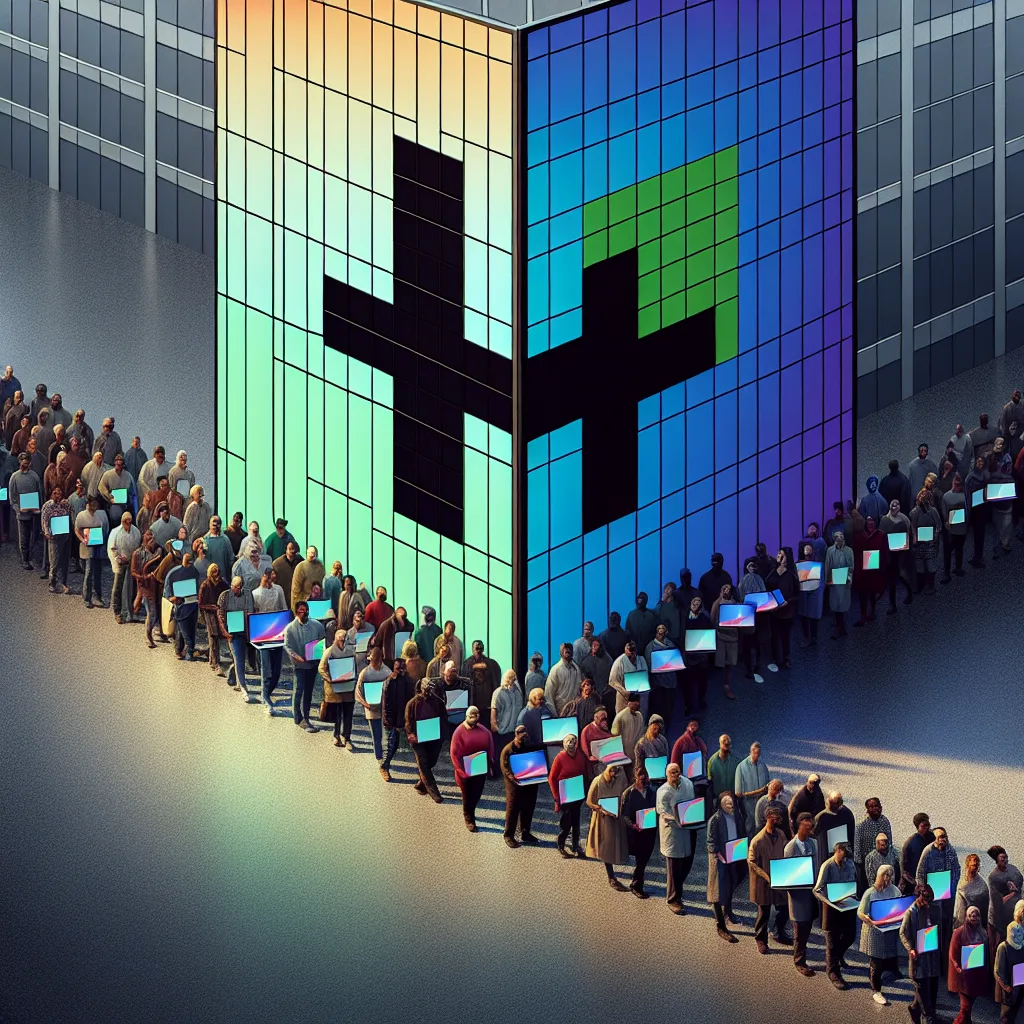
In a move that has raised eyebrows across the tech community, Microsoft has reintroduced its Copilot+ PCs, a product that had previously faced significant backlash. The company, known for its innovative yet sometimes controversial software, is now hoping that the public has either forgotten or moved past the reasons for its initial unpopularity. But as the tech giant quietly integrates its screenshotting app into the Windows 11 Release Preview channel, the question looms: Is this a bold step forward or a miscalculation that could haunt Microsoft once again?
To understand the current landscape, one must first revisit the tumultuous history of the Copilot feature. Initially launched with great fanfare, the Windows Recall feature was intended to enhance user experience by providing seamless integration of AI capabilities into everyday tasks. However, it quickly became a focal point of criticism. Users reported privacy concerns, with many feeling that the feature overstepped boundaries by capturing and storing sensitive information without adequate consent. The backlash was swift and severe, leading Microsoft to temporarily shelve the feature.
Fast forward to today, and Microsoft appears to be taking a calculated risk by reintroducing Copilot+ PCs. The company has positioned this new iteration as a refined product, one that has learned from past mistakes. Official statements from Microsoft emphasize a commitment to user privacy and data security, suggesting that the company has implemented new safeguards to address previous concerns. Yet, the skepticism remains palpable among users and industry analysts alike.
Currently, the Copilot+ PCs are being rolled out in the Windows 11 Release Preview channel, a move that indicates Microsoft is gearing up for a broader launch. This channel serves as a testing ground for new features, allowing users to provide feedback before a full-scale release. Microsoft’s strategy seems to hinge on the hope that the improvements made to the Copilot feature will be enough to win back users who were once disillusioned.
But why does this matter? The implications of the Copilot+ PCs extend beyond mere consumer preference; they touch on broader issues of trust, security, and the future of AI in personal computing. As technology becomes increasingly integrated into our daily lives, the stakes are higher than ever. Users are not just looking for functionality; they demand transparency and respect for their privacy. Microsoft’s ability to navigate this landscape will be crucial in determining its reputation and market position moving forward.
Experts in the field have weighed in on the potential ramifications of this reintroduction. Dr. Emily Chen, a technology policy analyst at the Brookings Institution, notes, “Microsoft’s challenge is not just about improving the product; it’s about rebuilding trust. Users need to feel confident that their data is secure and that they have control over how it is used.” This sentiment is echoed by cybersecurity professionals who emphasize the importance of robust data protection measures in any AI-driven application.
Looking ahead, several outcomes are possible. If Microsoft successfully addresses user concerns and demonstrates a commitment to privacy, it could see a resurgence in popularity for its Copilot+ PCs. However, should the company falter again, the backlash could be even more severe, potentially damaging its brand reputation for years to come. Observers will be watching closely for user feedback as the product moves toward general availability, as well as any adjustments Microsoft may make in response to that feedback.
In conclusion, the reintroduction of Copilot+ PCs presents a pivotal moment for Microsoft. As the company seeks to reclaim its footing in a competitive market, it must grapple with the lessons of its past while navigating the complexities of user trust and technological innovation. Will this second chance be a turning point for Microsoft, or will it serve as a cautionary tale in the annals of tech history? Only time will tell, but one thing is certain: the stakes have never been higher.



