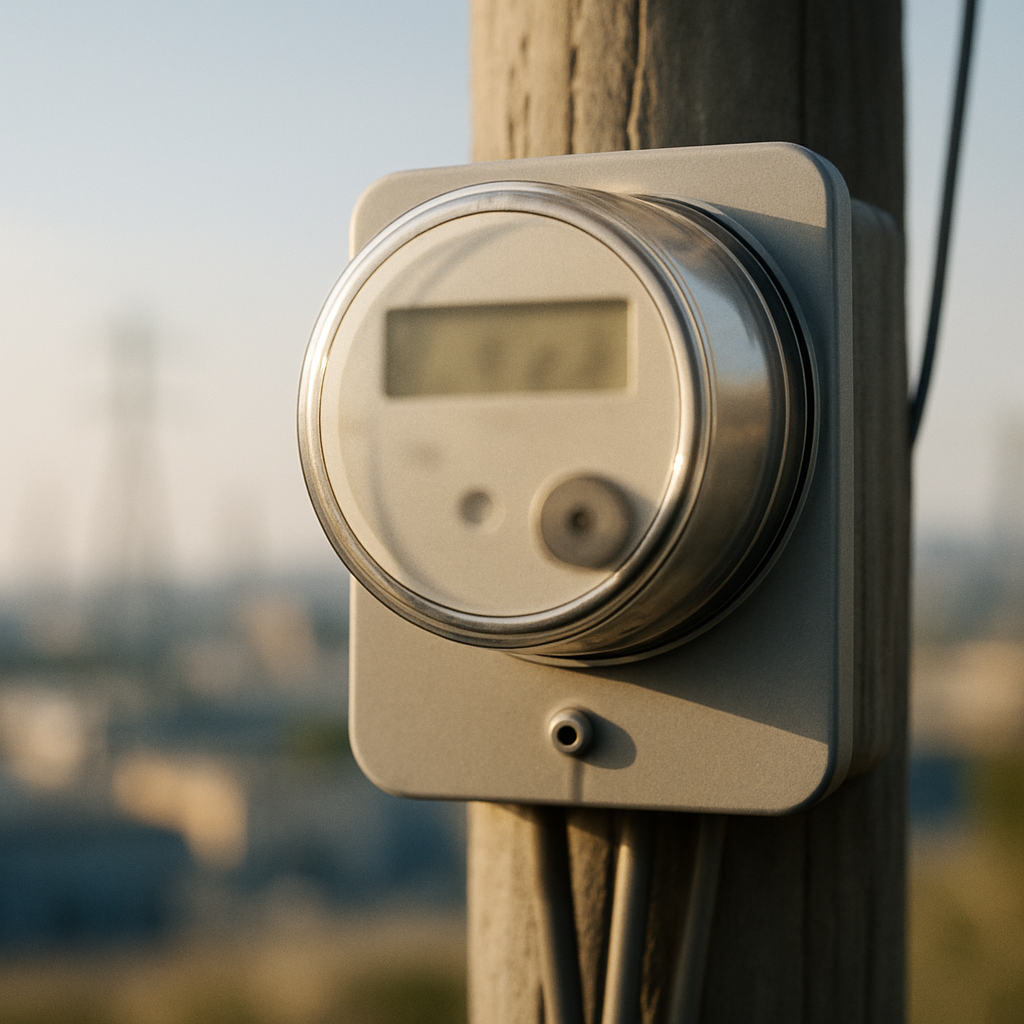
Itron: notification, scope, and insurer expectations
Itron told investors in a late‑Friday Securities and Exchange Commission filing that it was notified about an unauthorized third‑party break‑in on April 13. The $4 billion company, which supplies smart meters, sensors and software for energy, water and city management, said it alerted law enforcement and worked with external cybersecurity advisors to investigate the intrusion.
According to the 8‑K, Itron "took action to remediate and remove the unauthorized activity" and has not observed follow‑on unauthorized activity within its corporate systems. The filing added that no unauthorized activity was observed in the customer‑hosted portion of its systems and that the breach did not affect Itron's operations.
Itron also told investors it "currently expects that a significant portion of its direct costs incurred relating to the incident will be reimbursed by its insurers." The company declined to answer questions from the reporter about how attackers gained initial access, and whether ransomware or an extortion demand was involved.
Medtronic disclosure and ShinyHunters' claim of mass theft
In a separate Friday disclosure and SEC filing, Medtronic said an "unauthorized party accessed data in certain Medtronic corporate IT systems." The med‑tech maker did not say when the intrusion occurred but emphasized that the incident did not impact its "products, patient safety, connections to our customers, our manufacturing and distribution operations, our financial reporting systems or our ability to meet patient needs."
That public statement followed claims by the extortion group ShinyHunters that it had broken into Medtronic and compromised "over 9M records containing PII and other terabytes of internal corporate data." ShinyHunters set an April 21 deadline for the company to pay an undisclosed extortion demand or face publication of the stolen material.
Medtronic said its corporate IT network remains separate from product, manufacturing, distribution and hospital‑customer networks. The company posted on its website: "We are working to identify any personal information that may have been accessed and will provide notifications and support services as needed." Medtronic did not immediately respond to The Register's inquiries about the breach.

This site is the portfolio.
OSINTSights runs on Cloudflare Workers, D1, R2, and Vectorize, with an AI pipeline on Hetzner ARM. Nubivance designed, built, and operates it. We do the same for clients.
See what we buildStryker incident as recent precedent
The Medtronic disclosure arrives in the wake of another med‑tech disruption earlier this year. In March, Stryker said a cyberattack—linked by researchers to an Iran‑aligned crew with ties to the country's intelligence agency—disrupted its global network and forced ordering and shipping systems offline for nearly three weeks. On April 1, Stryker reported it was "fully operational across our global manufacturing network."
That episode underscores a pattern in which suppliers in the med‑tech and broader technology supply chain can become targets whose troubles cascade into customer operations and logistics.
What this means for insurers, utility operators, and healthcare providers
- Insurers: Itron's public expectation that a "significant portion" of its direct costs will be covered highlights the role of cyber insurance in incident recovery and accounting for breach expenses.
- Utility operators (Itron customers): Itron's statement that customer‑hosted systems were not observed to be affected and that its operations were not disrupted should provide immediate operational reassurance, but the vendor disclosure will likely prompt customers to review supplier risk and incident response coordination.
- Healthcare providers (Medtronic customers): Medtronic's assertion that corporate IT is separate from product and hospital‑customer networks and that patient safety and manufacturing were not affected will be closely watched by providers awaiting any notifications or support services related to potentially accessed personal information.
Conclusion
Two vendor disclosures filed with the SEC in quick succession — one from a major utility‑technology supplier and one from a global med‑tech firm — show criminal actors continuing to target companies that sit between critical services and their customers. For Itron, the immediate operational impact appears contained and insurers are expected to shoulder a substantial share of costs. For Medtronic, a high‑volume extortion claim from ShinyHunters — "over 9M records containing PII and other terabytes of internal corporate data," according to the group — raises questions about the scope and timing of any exposed personal information even as the company says patient care systems remain insulated.
Both filings leave core technical questions — how access was gained, whether data exfiltration was combined with ransomware, and exactly what records were involved — to be answered by ongoing investigations and potential notifications. Until those details are disclosed, customers, insurers and regulators will be watching the companies' next regulatory filings and any notifications to affected individuals.