Phoronix reckons just the Ethernet device removals alone would shave nearly 30,000 lines of code from the kernel.
Andrew Lunn’s 18-patch series: which drivers would go
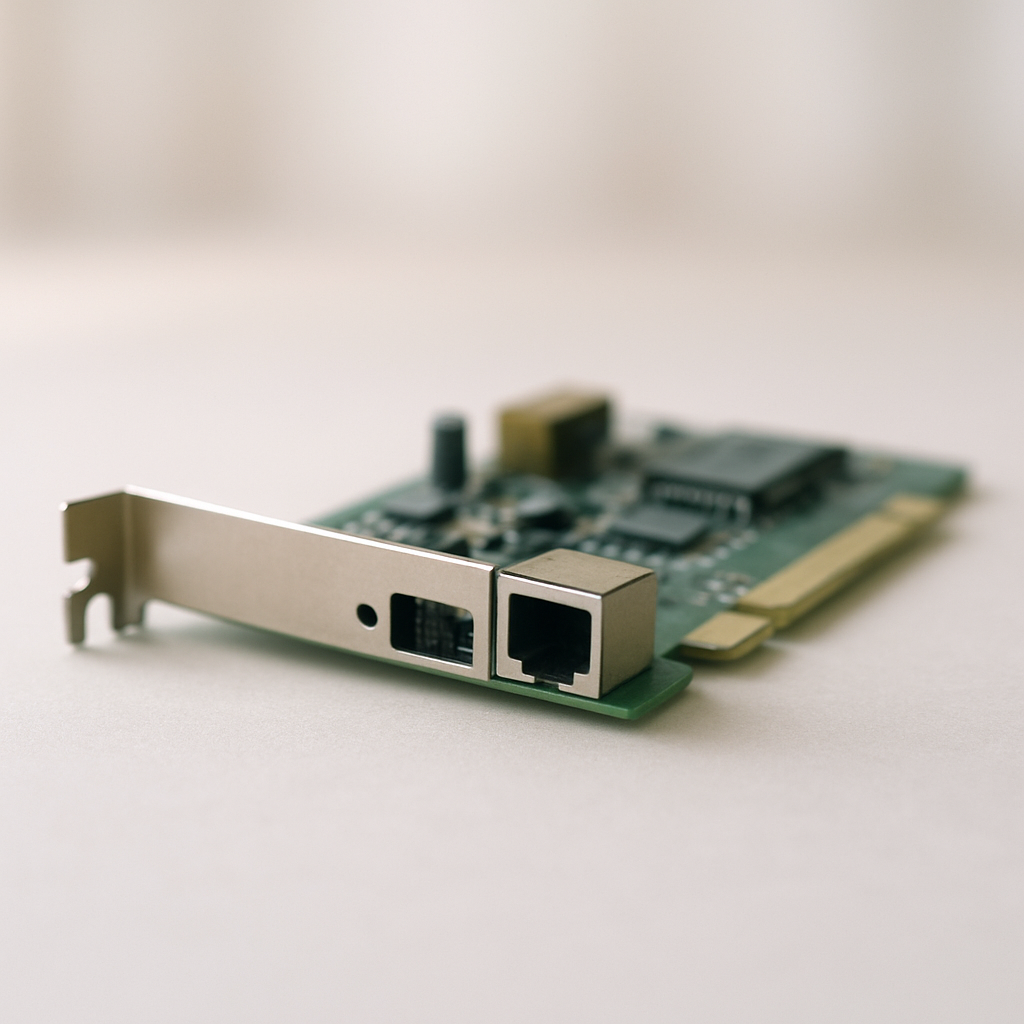
One recent submission to the kernel tree is an 18-patch series from Andrew Lunn that proposes removing drivers for a cluster of very old network cards: 3Com's 3C509, 3C515, 3C574, 3C589 and 3C59x hardware. The series also targets 13 other devices, including legacy Xircom parallel-port and PCMCIA slot cards. The Register's FOSS desk noted the removals might free up significant maintenance burden and even joked about testing one of the cards in an Amiga 1200.
Bot-powered vulnerability hunting, and the argument for deletion
Automated tools that detect bugs and vulnerabilities have been headline news lately, finding long-standing flaws such as a 27-year-old bug in OpenBSD and a 23-year-old flaw in Linux's in-kernel NFS code. The article quotes stable-kernel supremo Greg Kroah-Hartman saying the automated approach “works.” One straightforward response, suggested in the reporting, is to accelerate removal of ancient, little-used drivers: if the code is gone, its bugs no longer matter.

The cyber insurance questionnaire just landed. Now what?
SOC 2, HIPAA, insurance renewals - someone has to own security strategy. Nubivance provides fractional CISO leadership without the full-time salary.
Get a security leadOther network stacks and legacy architectures on the chopping block
Beyond the 3Com and Xircom drivers, the removals under discussion extend to Hamachi and Yellowfin PCI gigabit adaptors, AX.25 and HAM Radio drivers, and Asynchronous Transfer Mode (ATM) networking. ISDN CAPI support — including over Bluetooth — also looks set to be removed. Separately, removal of 80486 support has been floated again for kernel 7.1; that change was last proposed almost a year ago for kernel 6.15 and had been discussed as far back as 2022.
T2 distribution and René Rebe: legacy support won't vanish overnight
The reporting stresses that even if these changes are approved, “old kernels with the support present will still be maintained for years to come.” René Rebe, lead maintainer of the T2 distribution, told The Register: “Just wanted to let you know that T2/Linux will of course continue to support this. It's trivial to support early and simple 32-bit CPUs. We provided i486 releases all the last years, recently fixed some bugs, and still run it on the fastest i486 class CPUs (AMD 5x86) overclocked at 160 MHz, or Vortex86 Embedded and Industrial boards.” Rebe was cited after a meeting at FOSDEM in Brussels where T2 demonstrated the distro on several older RISC machines, including a dual-core PowerMac G5 running the latest Firefox with hardware-accelerated 3D and video playback.
How kernel maintainers, security teams, and legacy users are affected
- Kernel maintainers: Removing obsolete drivers reduces the code surface they must curate and test, and may simplify responses to automated bug-finders. The Andrew Lunn series and related proposals exemplify this housekeeping approach.
- Security teams and vulnerability researchers: Automated tools have exposed decades-old flaws; the community response under discussion — deletion rather than repair — is a clear countermeasure to reduce the total amount of legacy code that could be flagged as vulnerable.
- Legacy users and alternative distributions: Projects such as T2/Linux plan to continue supporting older CPUs and devices. The article notes that older kernels retaining the removed support will remain maintained for years, and that practical demonstrations (for example, running T2 on a PowerMac G5) show some communities will keep older hardware usable.
The conversation in and around kernel 7.1 is therefore a trade-off: pruning seldom-used drivers shortens the list of components that automated tools can surprise maintainers with, but it does not instantly strand users who rely on legacy support — at least while alternative distributions and older kernel branches continue maintenance. The Register’s coverage leaves the next concrete step clear: these removals are still proposals that may be merged for kernel 7.1, but the path from patch series to default kernel behavior will determine whether the cleanup is surgical or disruptive.