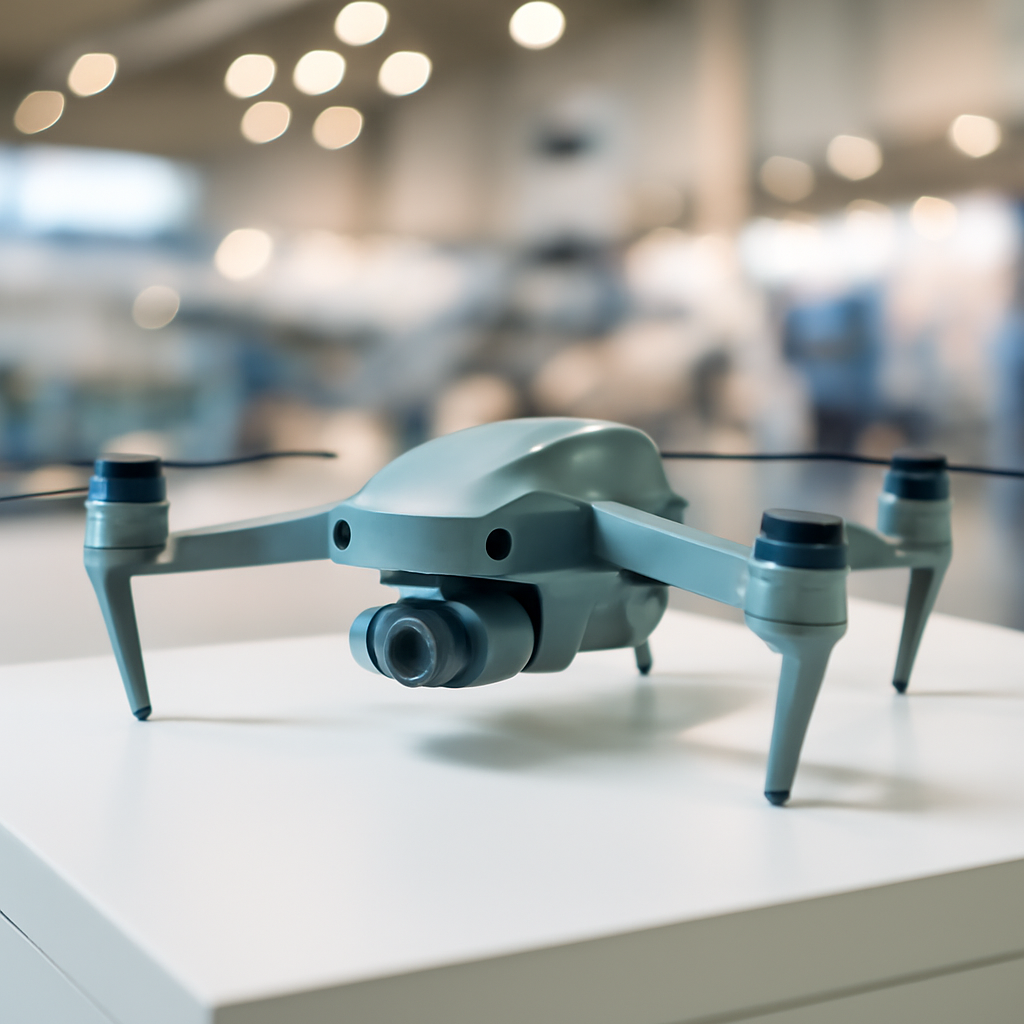
The venture’s product line already spans six systems, from the 80‑kilogram KALKAN tactical ISR drone up to the Bayraktar KIZILELMA uncrewed combat jet, the partners announced at the Farnborough International Airshow as they declared the company fully operational.
LBA Systems reaches full operational readiness at Farnborough
Leonardo and Baykar said their equally owned joint venture, LBA Systems, has completed the regulatory and organisational steps needed to move from memorandum of understanding to a functioning company. The partners announced at Farnborough that the necessary regulatory authorisations are in place and that the venture’s Lead has been appointed. The company’s legal and operational headquarters are in Italy, completing an arrangement that began with an MoU in March 2025.
Six-platform line: KALKAN through KIZILELMA
The new company brings together a six‑system line that pairs Baykar airframes with Leonardo sensors and mission systems. The range runs from the 80‑kilogram KALKAN, built for intelligence, surveillance and reconnaissance, through two variants of the Bayraktar TB2 medium‑altitude long‑endurance drone and the carrier‑capable Astore Levante, to the Bayraktar AKINCI high‑altitude long‑endurance aircraft and the Bayraktar KIZILELMA uncrewed combat jet. Leonardo and Baykar describe this collection as a single product family under one company.
Notably, the KIZILELMA recently demonstrated crewed‑uncrewed teaming with Leonardo’s M‑346F light fighter, a pairing the partners say ties the venture’s uncrewed line to Leonardo’s trainer and light‑fighter offerings and points to how these systems might operate together in future missions.

The cyber insurance questionnaire just landed. Now what?
SOC 2, HIPAA, insurance renewals - someone has to own security strategy. Nubivance provides fractional CISO leadership without the full-time salary.
Get a security leadLeonardo’s regulatory, sensor and integration role
Leonardo’s principal contribution to LBA Systems is regulatory qualification and systems integration: the company will perform the work needed to take Baykar’s field‑proven platforms through European approval standards. In practice that pairs Leonardo’s electronics, payload and effector integration with Baykar’s platform design and manufacturing. The venture explicitly lists manned‑unmanned teaming and swarming among its aims, alongside the qualification and certification work that allows Baykar designs to meet continental requirements.
Astore Levante production for the Italian Air Force
One immediate output of the partnership is production of the Astore Levante air vehicles for the Italian Air Force. Leonardo and Baykar said the venture has begun building the first Astore Levante aircraft, a platform derived from Baykar’s TB3 medium‑altitude, long‑endurance airframe with a package of Leonardo sensors and data links integrated. The Astore Levante was among systems displayed at Farnborough, and Leonardo chief executive Lorenzo Mariani said the first two or three aircraft are already under way. Mariani made the comment in his first Farnborough appearance as chief executive.
What this means for European militaries, Baykar and Leonardo, and the Italian Air Force
- European militaries and procurement leaders: LBA Systems gives Baykar’s uncrewed range a foothold inside the EU with an Italy‑based company able to secure continental approvals, and it presents a vendor option that bundles Baykar airframes with Leonardo sensors and integration under a single supplier.
- Baykar and Leonardo: The venture formalises Baykar’s move into Europe, coming after Baykar’s acquisition of Italy’s Piaggio Aerospace earlier in the year, and gives Baykar an EU‑based partner able to handle approval and certification for continental customers. For Leonardo, the tie adds a home‑anchored uncrewed line to a crewed portfolio and frames uncrewed work as part of an integrated offering across air, land, sea, space and cyber domains.
- Italian Air Force: The service is the first named customer for production Astore Levante aircraft, with initial airframes already in build according to Leonardo’s chief executive.
Positioning, near term milestones and a remaining question
With regulatory clearances secured and the first Astore Levante aircraft in production, LBA Systems has moved from agreement to working manufacturer. The partnership’s stated aims — manned‑unmanned teaming, swarming and European certification of Baykar platforms — set a clear sequence of next milestones: complete qualification and certification to continental standards, finish initial production for the Italian Air Force, and demonstrate integrated mission systems in operational settings.
Lorenzo Mariani also suggested the tie‑up could serve as a template for drone cooperation with Ukrainian companies as European militaries look to expand their uncrewed fleets, signalling a possible strategic use case the partners have in mind. The concrete question left by the announcement is whether—and how—those demonstrations of crewed‑uncrewed teaming and the venture’s certification work will translate into sustained orders and in‑service deployments across Europe.