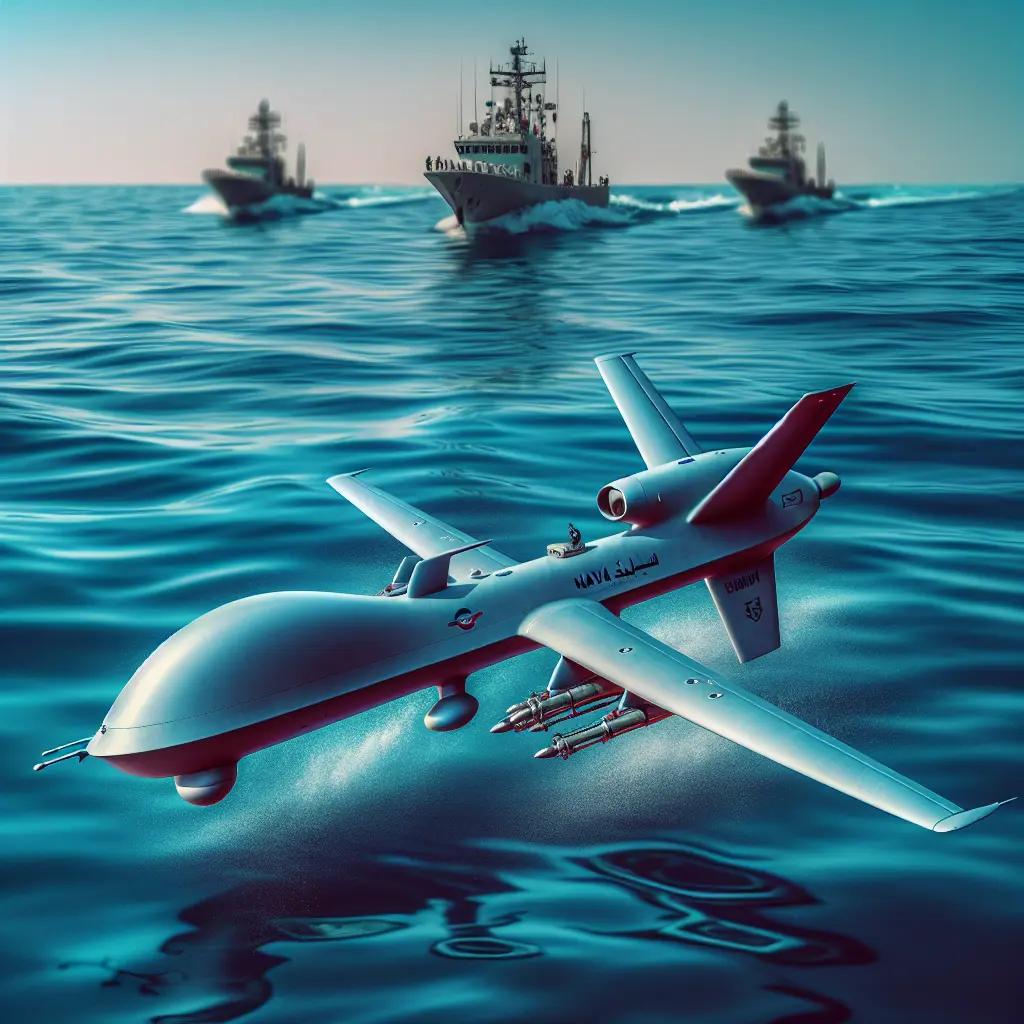
Kuwait Embarks on a New Era of Naval Surveillance with Innovative NeedleFish Drones
In a significant stride toward modern maritime security, Kuwait has successfully launched its NeedleFish Uncrewed Surface Vessel (USV), marking a new chapter in the nation’s naval capabilities. As concerns about maritime threats and the need for advanced surveillance grow globally, Kuwait’s initiative, conducted in partnership with Ocean Infinity and the Kuwaiti Coast Guard (KCG), raises pertinent questions about the future of naval operations and the integration of technology in national defense.
This collaboration, highlighted by Ocean Infinity’s announcement this week, is part of Kuwait’s broader strategy to establish an integrated maritime surveillance system. This ambitious endeavor, being developed with SRT Marine Systems, aims not only to bolster national security but also to enhance the operational readiness of Kuwait’s coastlines—a critical aspect given the country’s strategic position in the Gulf region.
The NeedleFish USV is designed for versatile applications including reconnaissance, patrol missions, and potential anti-piracy operations. Its incorporation into Kuwait’s maritime strategy is both timely and necessary; with regional tensions simmering and maritime routes becoming increasingly contested, enhancing situational awareness at sea could prove invaluable. Such innovations echo a global trend where nations are investing heavily in unmanned systems to augment their military capabilities while minimizing human risk.
What makes this development noteworthy is not just the technology itself, but also what it signifies for Kuwait’s approach to security. Historically reliant on coalition forces for regional defense, this move towards indigenous technological solutions indicates a shift in strategy aimed at self-reliance. It reflects a broader understanding among policymakers that investing in autonomous systems may be essential for maintaining sovereignty over national waters and responding effectively to evolving threats.
As of now, the trials of NeedleFish are ongoing, with preliminary reports suggesting promising results. The KCG has expressed optimism regarding the vessel’s performance, emphasizing its potential to enhance real-time surveillance capabilities across vast maritime territories. This system is expected to address gaps previously identified in monitoring illegal activities such as smuggling or unauthorized fishing within Kuwaiti waters.
The implications of this initiative extend beyond mere technological advancements. Enhanced surveillance capabilities can lead to increased public trust in government institutions tasked with protecting national interests. By showcasing its commitment to adopting cutting-edge technologies for maritime safety, Kuwait could further solidify its role as a proactive player in Gulf security affairs.
However, alongside these advancements come inherent challenges. The successful integration of unmanned systems like NeedleFish into existing operational frameworks requires not only technological adaptation but also comprehensive training and support for personnel involved in deploying these vessels. Additionally, as with any military technology rollout, there exists an underlying concern regarding cybersecurity vulnerabilities that could be exploited by adversaries seeking to disrupt or manipulate operational capacities.
- Regional Implications: Kuwait’s pursuit of advanced naval technologies sets a precedent that may inspire neighboring countries to similarly enhance their maritime defenses. This could spark a regional arms race focused on naval capabilities and lead to increased tensions if mismanaged.
- International Relations: As Kuwait takes bold steps toward self-sufficiency in defense technology, how will this impact its relationships with traditional allies? Will it forge new alliances based on shared technological goals or disturb existing partnerships?
- Environmental Considerations: There are also environmental implications tied to deploying unmanned vessels at sea. How will these technologies affect marine ecosystems? Striking a balance between security needs and environmental stewardship remains imperative.
Looking ahead, observers should monitor how well Kuwait navigates these complexities while implementing its integrated maritime surveillance system. Success will not only depend on the operational efficacy of NeedleFish but also on how it harmonizes with national policy goals and regional stability efforts.
Ultimately, Kuwait’s embrace of innovative naval drones represents more than just an enhancement of its military assets; it encapsulates a broader vision for sovereignty and security in an increasingly unpredictable geopolitical landscape. As nations invest more heavily in such technologies, one must ponder: what does true maritime security look like when drones patrol our waters? It remains imperative that while we innovate at sea, we do not lose sight of our fundamental commitment to peace and stability within those very waters.