Kraken Boosts Naval Drone Manufacturing
Overview
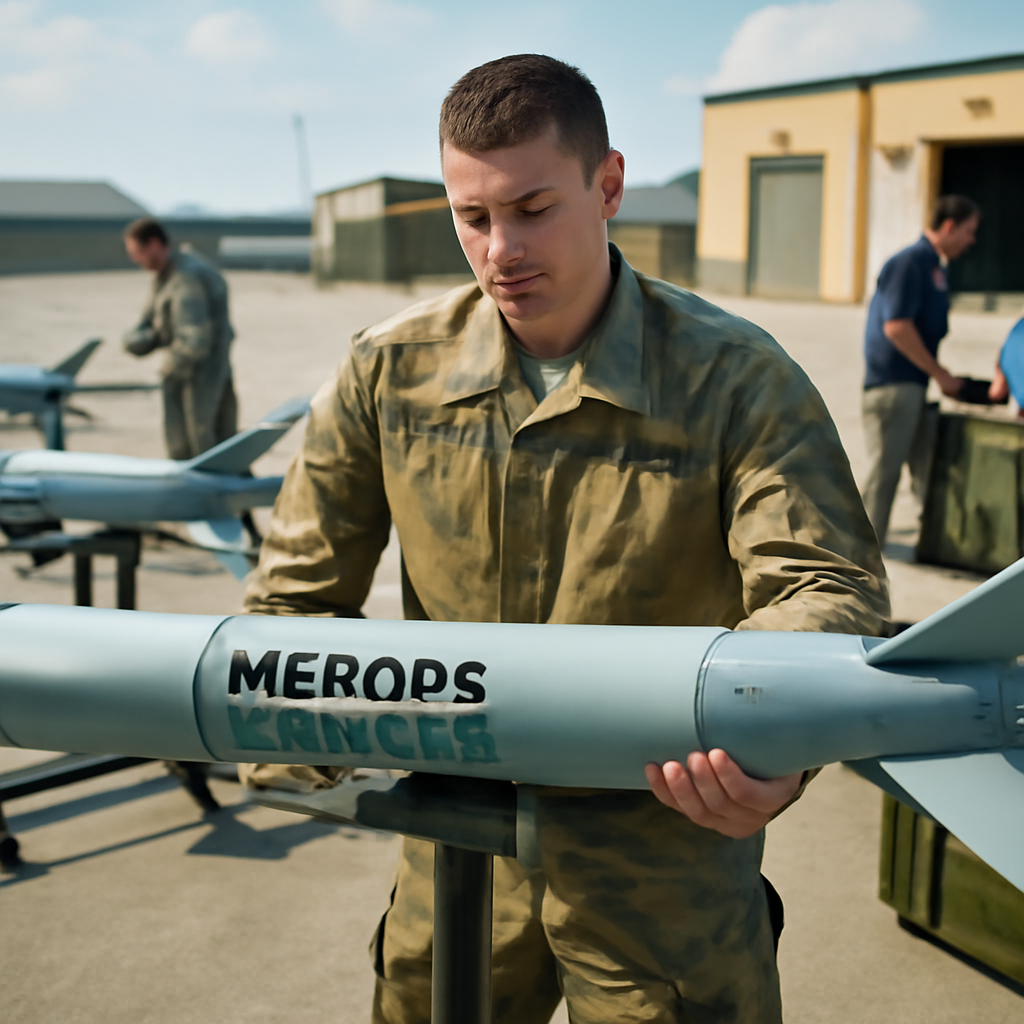
The recent announcement by Kraken Technology Group regarding the operational status of its AREA 1 manufacturing facility marks a significant milestone in the realm of naval drone production. With the capacity to produce over 500 advanced uncrewed maritime systems annually, this development not only enhances the capabilities of naval forces but also reshapes the competitive landscape of maritime security. Stakeholders ranging from military operators to policymakers and defense contractors are poised to feel the ripple effects of this advancement, as the implications extend far beyond mere production numbers.
Background & Context
The evolution of naval warfare has been profoundly influenced by technological advancements, particularly in the realm of unmanned systems. Historically, the integration of drones into military operations has transformed how naval engagements are conducted, providing enhanced surveillance, reconnaissance, and strike capabilities. The urgency for such innovations has been underscored by rising geopolitical tensions and the increasing complexity of maritime threats.
Kraken Technology Group, a leader in maritime technology, has positioned itself at the forefront of this transformation. The establishment of the AREA 1 facility is a response to both market demand and strategic necessity, as nations seek to bolster their naval capabilities in an era characterized by rapid technological change and evolving threats. The timing of this announcement is particularly critical, as global naval forces are increasingly investing in unmanned systems to maintain operational superiority.

Audit-ready is a season. It shouldn't be.
Evidence in spreadsheets, controls drifting between audits, frameworks multiplying on flat headcount. Nubivance runs continuous compliance on Rapid7 Cyber GRC - SOC 2, HIPAA, ISO 27001, PCI, CMMC.
End the scrambleCurrent Landscape
The current state of naval drone manufacturing is marked by a surge in interest and investment. According to industry reports, the global market for unmanned maritime systems is projected to grow significantly, driven by advancements in artificial intelligence (AI), machine learning, and sensor technologies. Kraken’s AREA 1 facility is a testament to this trend, showcasing a commitment to scalability and innovation.
Key facts include:
- Production Capacity: Kraken’s facility is set to produce over 500 advanced uncrewed maritime systems annually, with plans for additional production lines to be operational by 2025.
- Technological Advancements: The systems being produced are equipped with cutting-edge technologies that enhance their operational effectiveness, including advanced sensors and AI-driven decision-making capabilities.
- Market Demand: The demand for unmanned systems is being driven by various factors, including the need for cost-effective solutions in naval operations and the increasing complexity of maritime security challenges.
This landscape is further complicated by the competitive dynamics among nations and private entities, all vying for dominance in the unmanned systems market. As countries like the United States, China, and Russia ramp up their investments in naval drone technology, the stakes have never been higher.
Strategic Implications
The implications of Kraken’s advancements in naval drone manufacturing are multifaceted, affecting mission outcomes, operational risks, and geopolitical dynamics. The ability to deploy advanced unmanned systems can significantly enhance a navy’s operational reach and effectiveness, allowing for more comprehensive surveillance and engagement capabilities.
Key strategic implications include:
- Enhanced Operational Capabilities: The integration of advanced uncrewed systems into naval operations can provide real-time intelligence and situational awareness, crucial for decision-making in high-stakes environments.
- Cost Efficiency: Unmanned systems often present a more cost-effective alternative to traditional manned platforms, allowing navies to allocate resources more efficiently while maintaining operational readiness.
- Geopolitical Tensions: As nations enhance their naval capabilities through unmanned systems, the potential for escalation in maritime disputes increases, necessitating a reevaluation of diplomatic strategies and defense postures.
Moreover, the proliferation of such technologies raises ethical and legal questions regarding their use in conflict scenarios, necessitating a robust framework for governance and accountability.
Expert Analysis
From an analytical perspective, the advancements made by Kraken Technology Group signal a pivotal shift in naval warfare dynamics. The company’s emphasis on scalability and readiness reflects a broader trend in defense manufacturing, where agility and rapid deployment capabilities are paramount. As military operations increasingly rely on unmanned systems, the implications for traditional naval strategies are profound.
One potential outcome is the emergence of a new paradigm in naval engagements, where unmanned systems operate in concert with manned vessels, creating a hybrid force structure that maximizes the strengths of both. This shift could lead to a redefinition of naval tactics, with unmanned systems taking on roles traditionally reserved for manned platforms.
Furthermore, as nations invest in their own unmanned capabilities, we may witness an arms race in maritime technology, with each nation striving to outpace the others in innovation and operational effectiveness. This competitive environment could foster collaboration among allies but also exacerbate tensions among adversaries, leading to a more volatile geopolitical landscape.
Recommendations or Outlook
In light of these developments, several actionable steps can be recommended for stakeholders involved in naval operations and defense policy:
- Invest in Research and Development: Continued investment in R&D for unmanned systems is essential to maintain technological superiority and adapt to evolving threats.
- Foster International Collaboration: Establishing partnerships among allied nations can enhance interoperability and collective security, mitigating the risks associated with an arms race in unmanned technologies.
- Develop Ethical Frameworks: Policymakers must prioritize the development of ethical guidelines and legal frameworks governing the use of unmanned systems in military operations to ensure accountability and compliance with international law.
Looking ahead, the future of naval warfare will likely be characterized by an increasing reliance on unmanned systems, necessitating a proactive approach to strategy, policy, and technology development.
Conclusion
The operationalization of Kraken’s AREA 1 manufacturing facility represents a significant leap forward in the production of advanced naval drones, with far-reaching implications for military strategy and geopolitical dynamics. As nations navigate the complexities of modern maritime security, the integration of unmanned systems will be pivotal in shaping the future of naval engagements. The challenge for stakeholders will be to harness these advancements responsibly, ensuring that the benefits of technology are realized while mitigating the associated risks. As we stand on the brink of this new era in naval warfare, one must ponder: how will nations balance the pursuit of technological superiority with the imperative for ethical governance in the use of unmanned systems?