Japan’s Satellite Start-ups Unite to Aid Ukraine’s Reconstruction
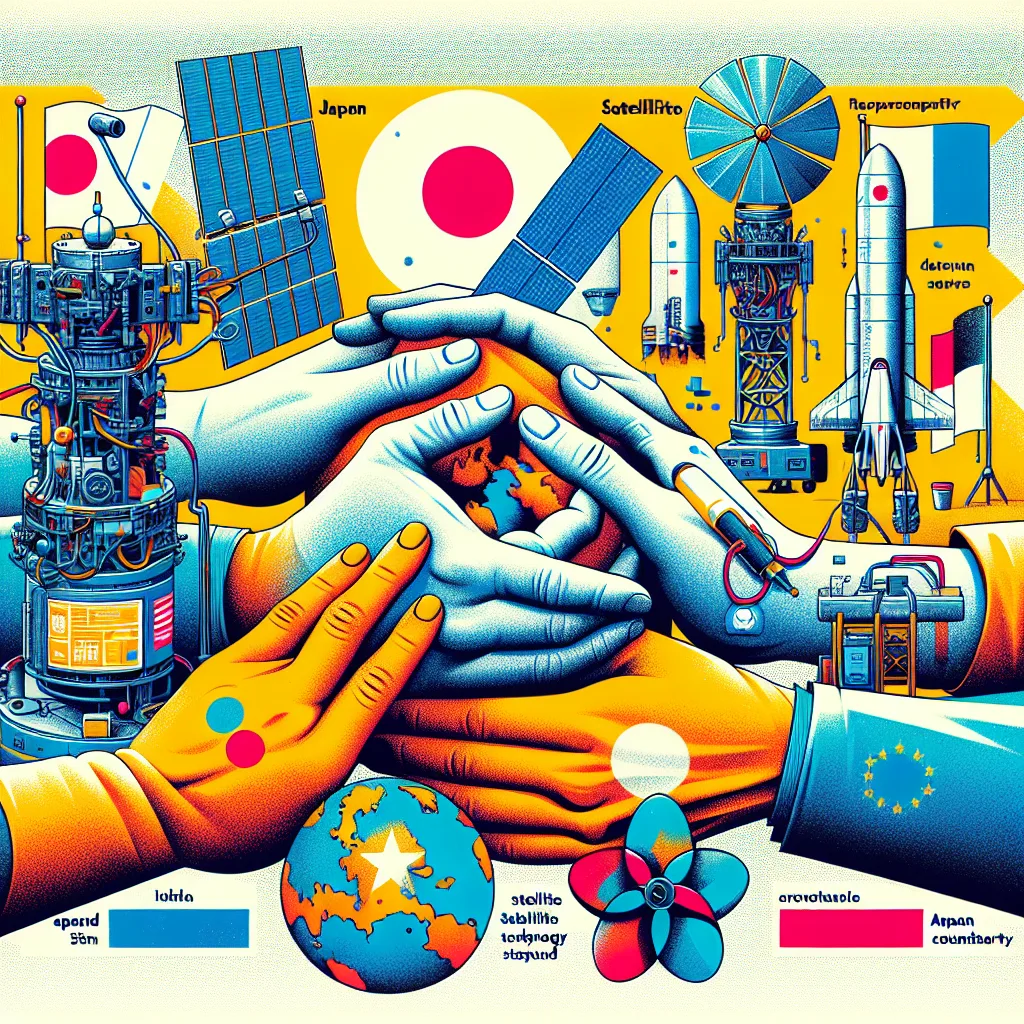
In a world where the specter of conflict looms large, the intersection of technology and humanitarian efforts has never been more critical. On March 25, 2023, the United Nations awarded a $400,000 contract to LocationMind, a geospatial intelligence and big data analysis firm based in Japan, to support Ukraine’s reconstruction efforts. This partnership not only underscores the potential of satellite technology in crisis response but also highlights a growing trend among Japanese start-ups to leverage their capabilities for global good. As the war in Ukraine continues to reshape geopolitical landscapes, the question arises: can these technological innovations truly make a difference in rebuilding a nation torn apart by conflict?
Japan’s involvement in Ukraine’s reconstruction is not merely a matter of charity; it is rooted in a complex history of international relations and technological advancement. Following the 2014 annexation of Crimea by Russia, Japan has taken a firm stance against aggression in Eastern Europe, aligning itself with Western allies. The Japanese government has provided humanitarian aid and imposed sanctions on Russia, but the recent escalation of conflict has prompted a more proactive approach. The emergence of satellite start-ups in Japan, such as LocationMind, reflects a broader trend in which technology is harnessed to address pressing global challenges.
LocationMind’s contract with the United Nations is a significant milestone, marking a shift in how private sector innovations can contribute to international humanitarian efforts. The firm specializes in analyzing satellite imagery and big data to provide actionable insights for disaster response and urban planning. By utilizing advanced geospatial analytics, LocationMind aims to assist in assessing damage, planning reconstruction, and optimizing resource allocation in Ukraine. This initiative is part of a larger movement among Japanese start-ups to collaborate on international projects, particularly in regions affected by conflict or natural disasters.
As the situation in Ukraine evolves, the implications of this partnership extend beyond immediate humanitarian aid. The integration of satellite technology into reconstruction efforts could redefine how nations respond to crises. The ability to monitor changes in infrastructure, track population movements, and assess environmental impacts in real-time offers unprecedented opportunities for effective planning and resource management. Moreover, it raises important questions about the role of technology in shaping the future of conflict resolution and reconstruction.
Experts in the field emphasize the importance of this collaboration. Dr. Akira Tanaka, a leading researcher in geospatial technology at the University of Tokyo, notes, “The use of satellite data in reconstruction efforts is not just about efficiency; it’s about creating a sustainable framework for rebuilding communities. This partnership could serve as a model for future international collaborations.” His insights reflect a growing recognition that technology can play a pivotal role in fostering resilience in post-conflict societies.
However, the road ahead is fraught with challenges. The ongoing conflict in Ukraine presents significant obstacles to effective implementation. Security concerns, logistical hurdles, and the need for local partnerships are all critical factors that will influence the success of these initiatives. Additionally, the ethical implications of using satellite technology in conflict zones must be carefully considered. As nations grapple with the balance between surveillance and humanitarian aid, the stakes are high.
Looking ahead, the collaboration between Japanese start-ups and international organizations like the United Nations could pave the way for a new era of technological diplomacy. As more countries recognize the potential of satellite technology in crisis response, we may see an increase in similar partnerships. The success of LocationMind’s efforts in Ukraine could inspire other nations to invest in their own technological capabilities, fostering a global network of innovation aimed at addressing humanitarian crises.
In conclusion, the partnership between Japan’s satellite start-ups and Ukraine’s reconstruction efforts raises profound questions about the future of technology in humanitarian aid. As we witness the unfolding of this initiative, one must ponder: can the fusion of innovation and compassion truly reshape the landscape of post-conflict recovery? The answer may lie in the very data that these start-ups are harnessing—data that has the potential to illuminate paths toward healing and rebuilding in a world often overshadowed by strife.