A New Calculus for Air Dominance: Iran’s Vulnerabilities and Russia’s Reflections
A series of high-stakes aerial operations over Iran has not only rattled Tehran’s established air defense posture but also set alarm bells ringing in military circles across Russia. Recent Israeli strikes that penetrated deep into Iranian territory and demolished critical air defense installations have raised incisive questions about the efficacy and resilience of integrated air defense networks. As analysts pore over the emerging vulnerabilities, they draw cautious comparisons between Tehran’s exposed flaws and the operational challenges besetting Moscow in its conflict with Ukraine.
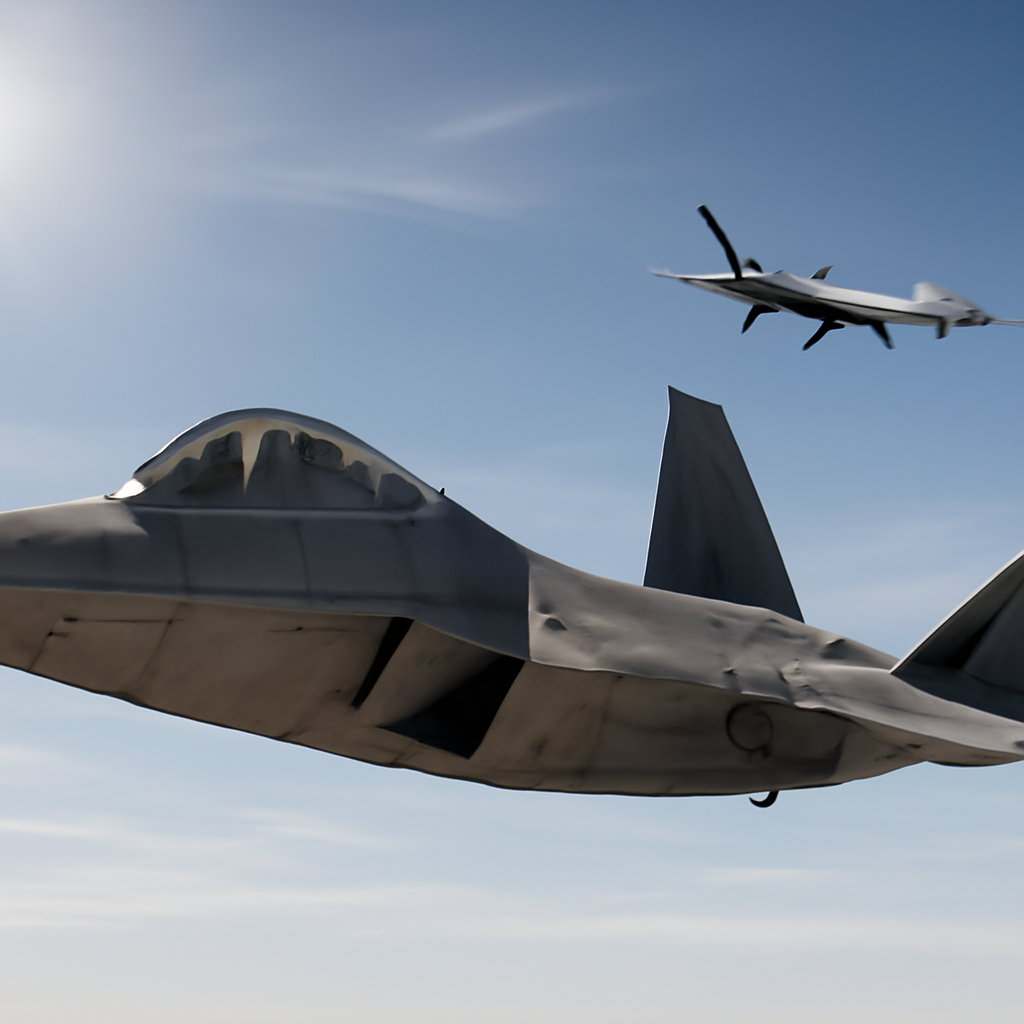
The operational tempo demonstrated in the recent Israeli campaign has been both striking and instructive. According to reports corroborated by Defence Blog and other independent military analysts, the maneuvers involved a blend of stealth, precision, and rapid-fire execution. Israeli forces managed to bypass layers of what had long been assumed to be robust air defense systems. Unlike previous engagements that leaned on quick reaction and heavy countermeasures, this campaign revealed not only technological lapses but also strategic missteps that reverberate far beyond Iranian borders.
Historically, Iran’s air defense strategy has been characterized by the integration of often-disparate assets inherited and acquired over decades. While the system had been bolstered by investments in advanced missile technology and indigenous adaptations, the persistent gap between modern warfare requirements and actual deployment has now come into sharper focus. Defense experts note that similar vulnerabilities have been flagged in Russian air defense setups during the conflict in Ukraine, where outdated equipment and misaligned command structures have left key components exposed to adversaries using modern, agile offensive tactics.
The unfolding situation is not merely a tale of one nation’s tactical lapses. Instead, it is a narrative about how contemporary warfare is exposing systemic vulnerabilities across nations thought to be secure. As the ramifications of these recent strikes continue to be analyzed, several key points emerge:
- Technological Disparity: In both Iran and Russia, advanced adversaries have exploited the mismatch between legacy air defense systems and modern, stealth-driven offensive platforms.
- Strategic Vulnerabilities: Operational strategies that once relied on deterrence through numbers and outdated assumptions about enemy capabilities are now increasingly obsolete.
- Command and Control Issues: An overreliance on centralized command structures, without adequate real-time integration and responsiveness, has impaired the ability to adapt swiftly to emerging threats.
At the heart of the matter lies a broader question: how can nations whose defense strategies are built on legacy doctrines and infrastructures recalibrate to meet the demands of contemporary aerial warfare? For Moscow, the implications are particularly acute. Russian military observers have long warned that the inherent flaws in the Ukrainian theater of operations could signify deeper, systemic issues—ones that make Russia vulnerable in its own right. Experts from renowned institutions, including the Royal United Services Institute (RUSI) and Jane’s Defence Weekly, indicate that the lessons drawn from Tehran’s less-than-impenetrable defenses may serve as a clarion call for Moscow to reassess its own air defense architectures.
Military strategists point out that both nations appear to be facing a common challenge: reconciling a storied legacy of air defense technology with the need for modernized, networked systems capable of countering asymmetrical threats. This interdependency of technology and tactics is drawing attention to an emerging paradigm in defense strategy where dynamic, agile responses are as critical as brute technological superiority. The weight of these lessons is not lost on policy-makers and analysts alike, who stress that the cost of inaction could be measured not merely in tactical defeats, but also in long-term strategic setbacks.
For Israeli military doctrine, the recent successes underscore a clear operational mandate: to blend surprise, precision, and intelligence gathering in order to neutralize even the most entrenched air defense systems. Such a blend requires constant innovation and recalibration—a message that resonates widely across global defense budget discussions and strategic warfare assessments. Meanwhile, in Moscow, whispers in military research circles suggest that a thorough review of air defense protocols may soon be on the agenda—an introspective recalibration aimed at avoiding the same pitfalls witnessed in Ukraine and, now, highlighted by developments in Iran.
Political and military analysts alike are keeping a close eye on official statements from defense ministries in both Tehran and Moscow. While neither government has fully acknowledged the deeper implications of the recent events, the quiet murmur of concern in expert circles is building. In an environment where geopolitical leverage is increasingly measured in real-time responsiveness and technological coherence, the exposed vulnerabilities represent more than just a tactical embarrassment—they are a powerful reminder of the rapid pace at which military paradigms are evolving.
Amidst these unfolding tensions, experts from diverse disciplines warn that the repercussions may extend beyond the immediate theaters of conflict. In a broader sense, the failures of established air defense systems illuminate the changing face of modern warfare—a domain where intelligence, stealth, and rapid adaptation have become as decisive as conventional firepower. Even as defense ministers in various nations advocate for increased spending on new technologies, the operational challenges witnessed in recent engagements suggest that procurement alone may not suffice to bridge the gap. The need for agile training, decentralized command structures, and integrated networked systems is emerging as a cornerstone of future defense strategies.
Looking forward, observers suggest that both Moscow and Tehran may be compelled to undertake sweeping reforms in how they build and deploy integrated defense systems. Given the clear parallels between the contemporary challenges they face, adversaries and allies alike will be watching for changes in military doctrine and the rate of technological modernization. Whether these transformations will be thorough and timely remains an open question—one that will likely define the contours of future aerial warfare across multiple regions.
In the final analysis, recent events serve as a potent reminder of the enduring human cost of strategic oversight. In the theater of conflict, where every decision is weighed not only by tactical outcomes but by the broader implications for national security and public trust, the need for adaptive, forward-thinking policy appears more urgent than ever. As Moscow and Tehran confront their respective vulnerabilities, one might ask whether the hard lessons drawn from this evolving battlefield narrative will finally spur the kind of systemic overhaul that modern warfare demands. The answer, as ever, remains to be seen.