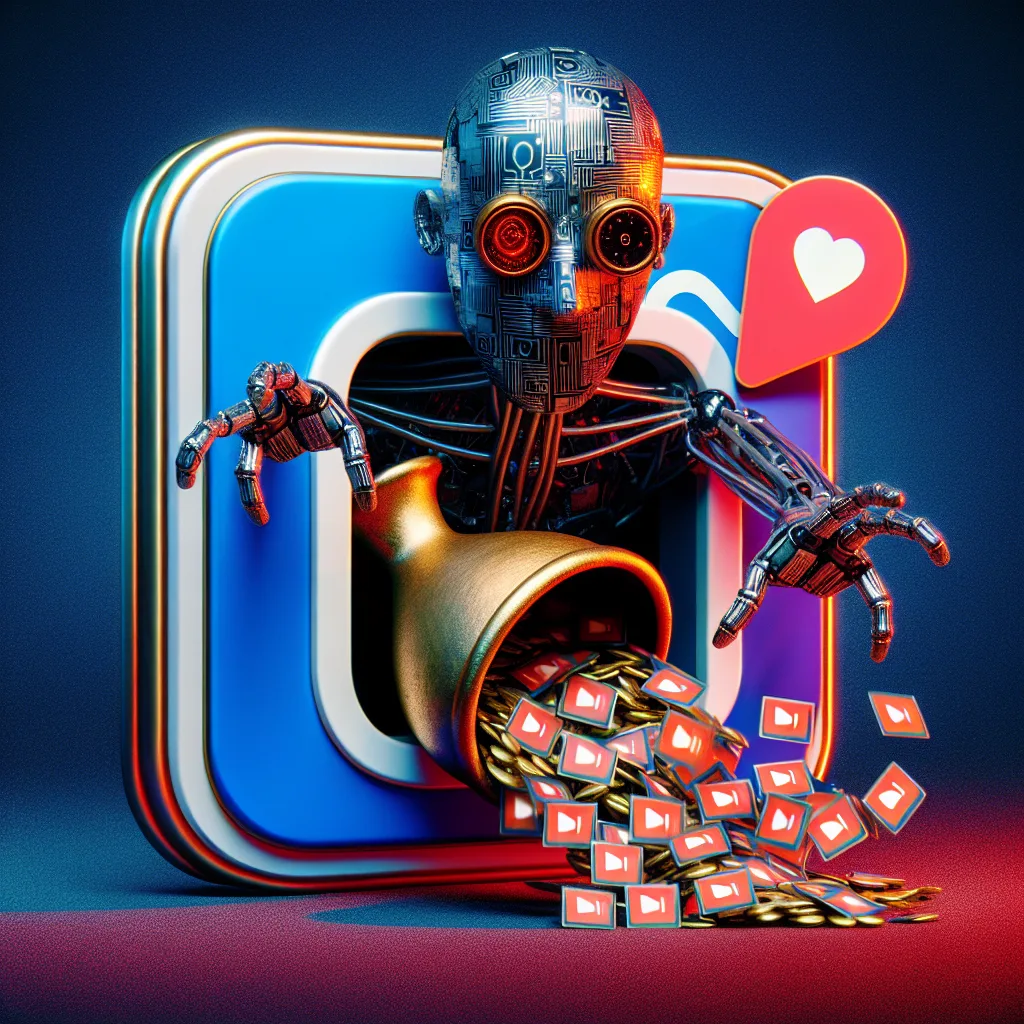
Digital Illusions: How AI-Generated TikTok Videos Fuel a New Wave of Infostealer Campaigns
In a digital landscape where authentic content is increasingly elusive, a new breed of cyber threat is emerging. Cybersecurity researchers have uncovered a campaign in which attackers deploy artificially generated videos on TikTok to trick users into executing scripts that install sophisticated information-stealing malware. As the line between genuine content and high-quality AI fabrication fades, experts caution that the risk to personal and organizational data is reaching new heights.
The latest findings reveal that these AI-crafted videos are far more than innocuous digital art. They serve as the front for meticulously designed social engineering attacks that lure victims into compromising their own systems. With the ease of content creation afforded by modern AI tools, threat actors are now able to rapidly produce persuasive, realistic videos that masquerade as legitimate or entertaining content, capturing the unwary attention of millions on the popular short-video platform.
At the heart of this campaign is a malicious script. Once executed, the script installs malware designed to quietly extract sensitive information—from login credentials and financial details to personal correspondence—without alerting the user. The alarming sophistication of these infostealers is coupled with the deceptive simplicity of their delivery: a seemingly routine TikTok video becomes the gateway to cyber intrusion.
A growing chorus from the cybersecurity community underscores that this method is a natural evolution of social engineering. Traditionally, phishing emails and dubious website links have been the primary vectors for such attacks. However, the integration of AI-driven content into platforms like TikTok represents a quantum leap in both scope and subtlety. The visual and auditory appeal of professionally polished digital media lowers the guard of even the most tech-aware users, making them unwitting participants in a far-reaching cybercrime operation.
Historically, the online ecosystem has battled waves of similar threats. Infostealer malware, which first gained notoriety more than a decade ago with rudimentary scripts and crude disguises, has progressively evolved. The marriage of artificial intelligence with these malicious programs has empowered cybercriminals to bypass traditional security measures by leveraging the power of convincingly realistic videos and narration. This shift is reminiscent of earlier transitions in cybercrime—where an improvement in technique leads to exponential growth in both impact and scale.
This incident follows a pattern observed in previous reports by reputable organizations such as the Cybersecurity and Infrastructure Security Agency (CISA) and private sector entities like Proofpoint. Although the agencies involved have not yet released comprehensive public statements on this particular campaign, internal memos and cybersecurity bulletins consistently point to a surge in social engineering methods that manipulate users’ trust in familiar platforms.
Some key facts identified in this campaign include:
- AI-Enhanced Deception: Videos generated via advanced artificial intelligence techniques are used to mimic credible sources, often incorporating elements of trending aesthetics on TikTok.
- Malware Delivery Mechanism: Despite the visually appealing presentation, these videos are crafted to entice users to trigger script downloads that automatically initiate the installation of infostealer malware.
- Broader Impact: With TikTok’s large and diverse user base, the potential reach of this cyberattack raises concerns not only for individual privacy breaches but also for the security of corporate networks and sensitive government data.
Beyond the immediate technical threat, the broader implications of this campaign are profound. As social media platforms continue to evolve into sophisticated communication channels, their role in the cyber threat landscape becomes increasingly significant. The ability of malicious actors to seamlessly integrate harmful actions into everyday digital interactions threatens to erode public trust in online media and undermine efforts to secure personal and organizational data.
Cybersecurity experts draw parallels between this attack and previous successful tactics in data exfiltration. In interviews, professionals from both government and private sectors warn that many organizations are still ill-prepared to identify and counter such subtle forms of digital manipulation. Former Director of the FBI’s Cyber Division, while not commenting on this specific case, has emphasized in past public lectures that “the human element remains the weakest link in cybersecurity defenses.”
For many users, TikTok is simply a source of entertainment—a digital playground for creative expression. This new threat, however, takes advantage of that unsuspecting mindset. Cyber strategists explain that these videos are designed to bypass the typical skepticism applied to emails or pop-up ads. Instead, the content is consumed in an environment where rapid, informal browsing is the norm and critical evaluation of each digital interaction rarely occurs.
Economically, the cost of such breaches extends far beyond individual inconvenience. For corporations, a single successful infestation can mean significant financial losses, intellectual property theft, and an erosion of customer trust. The ripple effects across the tech industry can prompt a cascade of increased security spending, regulatory scrutiny, and, ultimately, a transformation in how platforms like TikTok enforce content security measures.
Security experts, including cybersecurity analysts at Fortinet and CrowdStrike, suggest that the underlying trend signals a need for updated defense strategies. The convergence of AI tools with malware delivery not only demonstrates an innovative approach by cybercriminals but also serves as a wake-up call for stakeholders across the board. “The integration of AI with social engineering techniques presents an unprecedented challenge,” noted a recent analysis published in the Journal of Cybersecurity Trends. Though specific names were not disclosed, the sentiment reflects a growing consensus in the security community.
Looking ahead, both cybersecurity professionals and policymakers are likely to prioritize enhanced scrutiny of user-generated content on large social media platforms. As law enforcement agencies bolster their efforts to crack down on digital scams, users may see a shift toward more robust authentication processes and real-time content verification technologies. Furthermore, regulatory bodies in major markets are expected to push for stricter guidelines on the use of AI in content creation to mitigate potential misuse without stifling innovation.
The emergence of these AI-driven social engineering campaigns also raises important questions about digital literacy and user awareness. With the line between artificial creation and genuine production blurring, how can users protect themselves from deceptive content, especially when they are accustomed to the fast-paced, casual consumption of TikTok videos? Public education campaigns, coupled with platform-level interventions, will play a crucial role in mitigating the risk posed by these emerging threats.
As society grapples with the dual-edged sword of AI innovation, the current wave of infostealer attacks represents both a challenge and an opportunity. Cybersecurity is no longer a matter of simply patching vulnerabilities or updating firewalls; it has become an ongoing battle for truth in an era where digital realities can be as vivid as they are fictitious. The stakes, inherently tied to national security, economic stability, and personal privacy, demand that both private and public sectors collaborate efficiently and transparently.
In conclusion, the deployment of AI-generated videos on TikTok to distribute infostealer malware underscores the perpetual arms race between cybercriminals and defenders. It illustrates that as technology evolves, so too do the methods that adversaries employ to exploit trust and compromise security. Will our existing frameworks of digital safety adapt quickly enough to counter these innovative threats, or will society be forced into a cycle of reactive measures? Only time—and robust, collaborative cybersecurity strategies—will tell.



