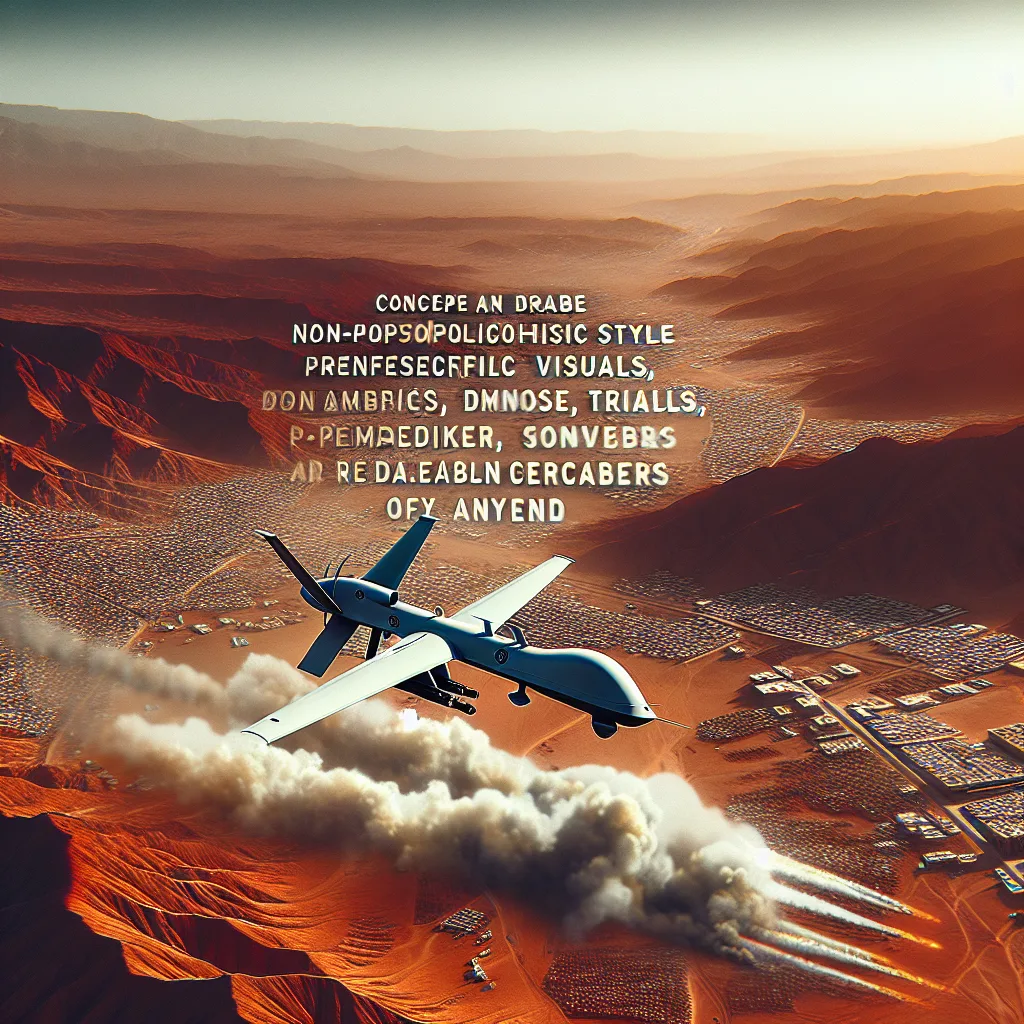
Houthis Shoot Down Another US MQ-9 Drone in Yemen
Overview
The recent downing of a U.S. MQ-9 Reaper drone by Iran-backed Houthi rebels in Yemen underscores a significant escalation in the ongoing conflict in the region. This incident, occurring over the Red Sea coastal city of Al-Hudaydah, marks the second such event in less than three days, bringing the total number of U.S. MQ-9s lost in Yemen to 17. The implications of this development extend beyond mere military losses; they touch upon geopolitical dynamics, regional security, and the evolving nature of warfare in the 21st century. Stakeholders affected by this situation include U.S. military operators, policymakers in Washington, regional allies, and adversaries, as well as the Yemeni population caught in the crossfire.
Background & Context
The Houthis, officially known as Ansar Allah, emerged in the early 1990s as a response to perceived marginalization of the Zaidi Shia community in Yemen. Their rise to prominence was catalyzed by the Arab Spring in 2011, leading to a civil war that has drawn in regional powers, notably Saudi Arabia and Iran. The U.S. has been involved in Yemen primarily through counterterrorism operations against Al-Qaeda in the Arabian Peninsula (AQAP) and, more recently, in support of the Saudi-led coalition against the Houthis.
The MQ-9 Reaper drone, a cornerstone of U.S. military operations, is designed for surveillance and precision strikes. Its loss signifies not only a tactical setback but also a shift in the balance of power in the region. The Houthis’ ability to target advanced military technology raises questions about the effectiveness of U.S. military strategy and the implications for future engagements in asymmetric warfare.

Audit-ready is a season. It shouldn't be.
Evidence in spreadsheets, controls drifting between audits, frameworks multiplying on flat headcount. Nubivance runs continuous compliance on Rapid7 Cyber GRC - SOC 2, HIPAA, ISO 27001, PCI, CMMC.
End the scrambleCurrent Landscape
The current state of play in Yemen is characterized by a protracted stalemate, with the Houthis controlling significant territory, including the capital, Sana’a. The U.S. has maintained a limited military presence, focusing on intelligence and surveillance operations. The recent incidents involving the MQ-9 drones highlight the increasing sophistication of Houthi air defense capabilities, likely bolstered by Iranian support.
According to reports, the Houthis have employed a combination of surface-to-air missiles and electronic warfare tactics to target U.S. drones. This development is alarming, as it suggests a growing capability to challenge U.S. air superiority in the region. The imagery released by Houthi-aligned media following the downing of the drone serves not only as a propaganda tool but also as a demonstration of their operational success.
Strategic Implications
The implications of these drone losses are multifaceted:
- Operational Risks: The loss of drones compromises U.S. intelligence-gathering capabilities, which are crucial for monitoring Houthi movements and potential threats in the region.
- Geopolitical Dynamics: The downing of U.S. drones may embolden the Houthis and their Iranian backers, potentially leading to increased aggression against U.S. interests and allies in the region.
- Innovation in Warfare: The incident highlights the evolving nature of warfare, where non-state actors can effectively challenge advanced military technology, prompting a reevaluation of U.S. military strategies.
Expert Analysis
From an analytical perspective, the repeated downing of U.S. MQ-9 drones suggests a significant shift in the operational landscape of Yemen. The Houthis’ ability to successfully target these drones indicates a level of sophistication that may not have been anticipated by U.S. military planners. This raises critical questions about the effectiveness of current U.S. military strategies in asymmetric warfare contexts.
Moreover, the implications extend beyond immediate military concerns. The U.S. may need to reassess its engagement strategy in Yemen, considering the potential for increased Iranian influence and the risk of further destabilization in the region. The situation calls for a nuanced understanding of the interplay between military operations and diplomatic efforts, particularly in light of ongoing peace talks that have yet to yield substantial results.
Recommendations or Outlook
In light of the current developments, several actionable steps can be considered:
- Enhanced Intelligence Sharing: The U.S. should strengthen intelligence-sharing agreements with regional allies to better understand Houthi capabilities and intentions.
- Investment in Countermeasures: There is a pressing need for the U.S. to invest in advanced counter-drone technologies and electronic warfare capabilities to mitigate the risks posed by Houthi air defenses.
- Diplomatic Engagement: Renewed diplomatic efforts are essential to address the underlying causes of the conflict and to seek a comprehensive peace agreement that includes all stakeholders.
Looking ahead, the potential for further escalations remains high. The Houthis may continue to leverage their newfound capabilities to assert dominance in the region, while the U.S. must navigate a complex landscape of military, diplomatic, and humanitarian considerations.
Conclusion
The downing of another U.S. MQ-9 drone by Houthi rebels is not merely a tactical loss; it is a harbinger of shifting power dynamics in Yemen and the broader Middle East. As the U.S. grapples with the implications of this incident, it must confront the reality that traditional military superiority is increasingly challenged by asymmetric tactics employed by non-state actors. The path forward will require a delicate balance of military readiness, innovative strategies, and diplomatic engagement to foster stability in a region fraught with complexity and conflict. How will the U.S. adapt to this evolving landscape, and what lessons will be learned from this ongoing struggle?