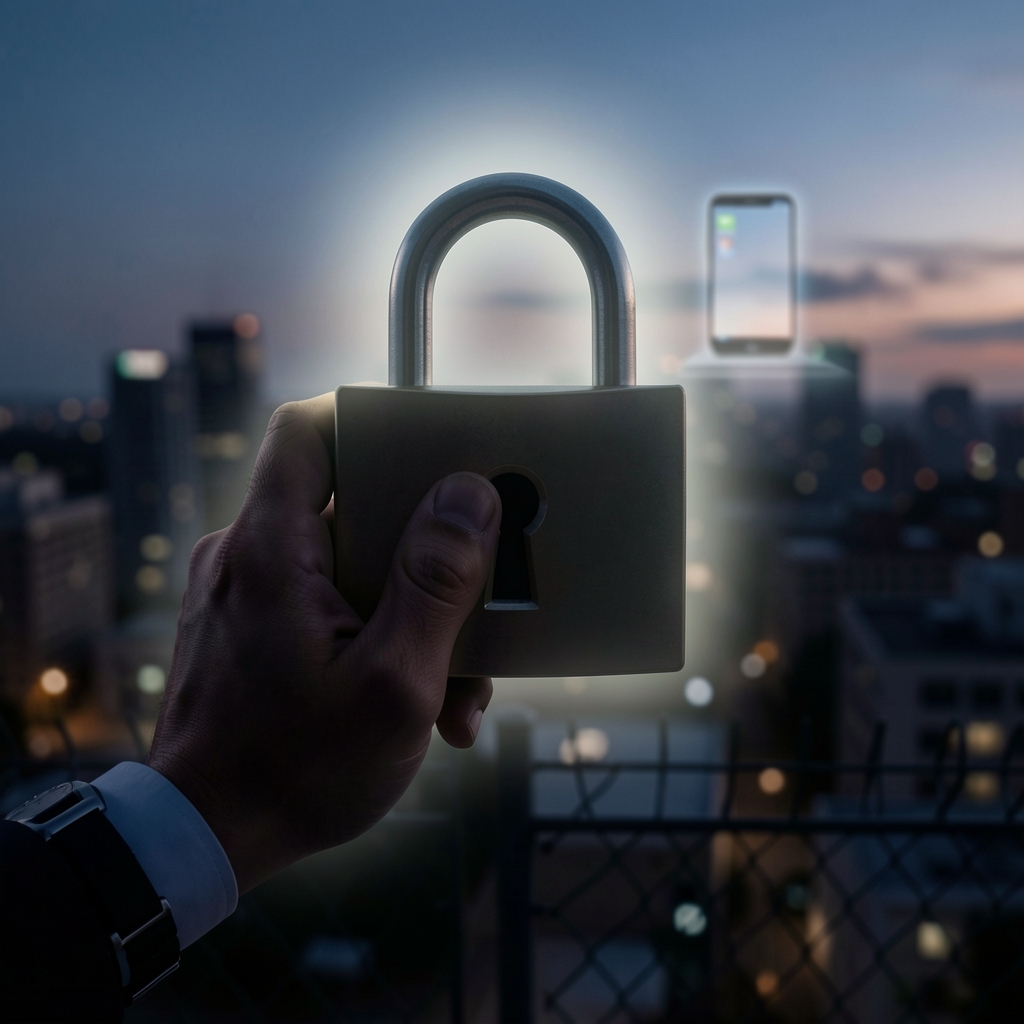
Imagine stepping off a plane in Hong Kong and being told you must unlock your phone or hand over the passwords to your laptop. Is that a routine border check — or the state asking you to surrender the keys to your private life?
What changed and who announced it
In a security alert dated March 26, the U.S. Consulate General said that, on March 23, 2026, Hong Kong authorities changed the rules governing enforcement of the National Security Law. Under the revised framework, police can require individuals to provide passwords or other assistance to access personal electronic devices, including cellphones and laptops. The Consulate General’s advisory specifically notes that this demand can be made of people even if they are merely transiting the airport.
Scope of the new enforcement rule
The revision places the authority to compel decryption squarely with Hong Kong law enforcement. According to the U.S. Consulate General alert, the powers reach passwords and “other assistance” needed to access data on personal electronic devices. The devices called out by the advisory include cellphones and laptops, and the guidance highlights that the requirement can apply during routine interactions such as airport transit.

The cyber insurance questionnaire just landed. Now what?
SOC 2, HIPAA, insurance renewals - someone has to own security strategy. Nubivance provides fractional CISO leadership without the full-time salary.
Get a security leadWhy this matters — practical implications
On its face, the change means that travelers and residents may face an immediate choice at points of contact with police: surrender access to devices or refuse and risk the consequences of non-cooperation. Because the advisory covers personal devices commonly used for private communications, the practical effect is to expose stored data — messages, contacts, photos, documents — to examination if authorities demand and the individual complies or is compelled.
For people who travel through Hong Kong’s airports, the Consulate General’s alert turns an otherwise ordinary connection into a potential security checkpoint for encrypted personal information. The advisory implies a broader day-to-day reach: the power to request passwords and assistance is not limited to criminal investigations described in the alert, but may be exercised under the revised enforcement framework governing the National Security Law.
Different perspectives and likely concerns
- Users: Individuals who rely on device encryption for personal privacy, journalism, legal practice, or business communications will likely see increased risk when entering or transiting Hong Kong. The alert’s explicit mention of transit situations underscores that even brief visits could trigger a compelled-access demand.
- Technologists: Practitioners and firms that build or support encryption and device security may view the change as a structural shift in how legal authority interacts with technical controls. The advisory’s reference to “passwords or other assistance” raises questions about where legal compulsion intersects with technical capability.
- Policymakers and security officials: Those responsible for public safety may argue that access to devices can be a tool for enforcing national security laws. The Consulate General’s notice, by reporting the rule change, frames it as an active policy decision by Hong Kong authorities to revise enforcement practices under the National Security Law.
- Travelers and organizations: Businesses and non-governmental organizations that send staff through Hong Kong — even for brief transits — will need to consider operational risks for proprietary information, client data, and communications carried on personal or work devices.
What to watch going forward
The U.S. Consulate General’s alert serves as the most direct public notice in the source material: changes were made on March 23, 2026, and that notice was published March 26. Observers should watch for how the revised framework is applied in practice — whether requests for passwords and assistance are routine at ports of entry, limited to specific investigations, or subject to legal safeguards and appeals. The alert itself does not describe those implementation details.
The core question remains: when the state acquires the ability to compel access to encrypted devices, how will individuals, technologists, and institutions balance legal compliance, personal privacy, and operational security? The U.S. Consulate General’s advisory puts that dilemma into sharp relief for anyone interacting with Hong Kong under the revised enforcement framework.