"In 2026, the rate of change in the global strategic environment shows no signs of abating, if anything, the tempo is increasing," U.K. Air Chief Marshal Sir Harv Smith said in a statement on the conference’s website.
Conference agenda: space, nuclear, and integrated air and missile defense
The Global Air and Space Chiefs’ Conference in London, scheduled for Wednesday and Thursday, has a narrowly framed agenda: space, nuclear, and integrated air and missile defense. The conference website describes those areas as "critical to the UK and to key partner nations as we develop and deliver domination of the skies and beyond." Delegates from the United States, the United Kingdom, and roughly 50 other countries are expected to take part in debates about strategy, capability development, and alliance cooperation.
Who will speak, and the pre-conference diplomacy
Scheduled keynote speakers include Gen. Kenneth Wilsbach, the U.S. Air Force chief of staff; Gen. Chance Saltzman, the U.S. Space Force’s top uniformed leader; and senior U.K. military and government figures. In the days leading up to the conference, both U.S. generals moved through Europe to shore up ties. Gen. Saltzman visited Poland’s Geospatial Intelligence and Satellite Services Agency headquarters in Warsaw and signed a statement of intent that, he said in a social media post, reinforced the two countries’ "shared commitment to collaboration in the space domain." While in Poland he emphasized that the United States "cannot go alone" in space and "needs capable partners in order to accomplish our missions."
Gen. Wilsbach visited troops at Aviano Air Base in Italy and at Royal Air Force Mildenhall and Fairford in the United Kingdom. He told Defense One that he is "really looking forward" to the London gathering and described such meetings as opportunities to "learn from one another, challenge each other, and strengthen the relationships that bolster our collective security."

Audit-ready is a season. It shouldn't be.
Evidence in spreadsheets, controls drifting between audits, frameworks multiplying on flat headcount. Nubivance runs continuous compliance on Rapid7 Cyber GRC - SOC 2, HIPAA, ISO 27001, PCI, CMMC.
End the scrambleU.K. investments, F-35s, and the political furor
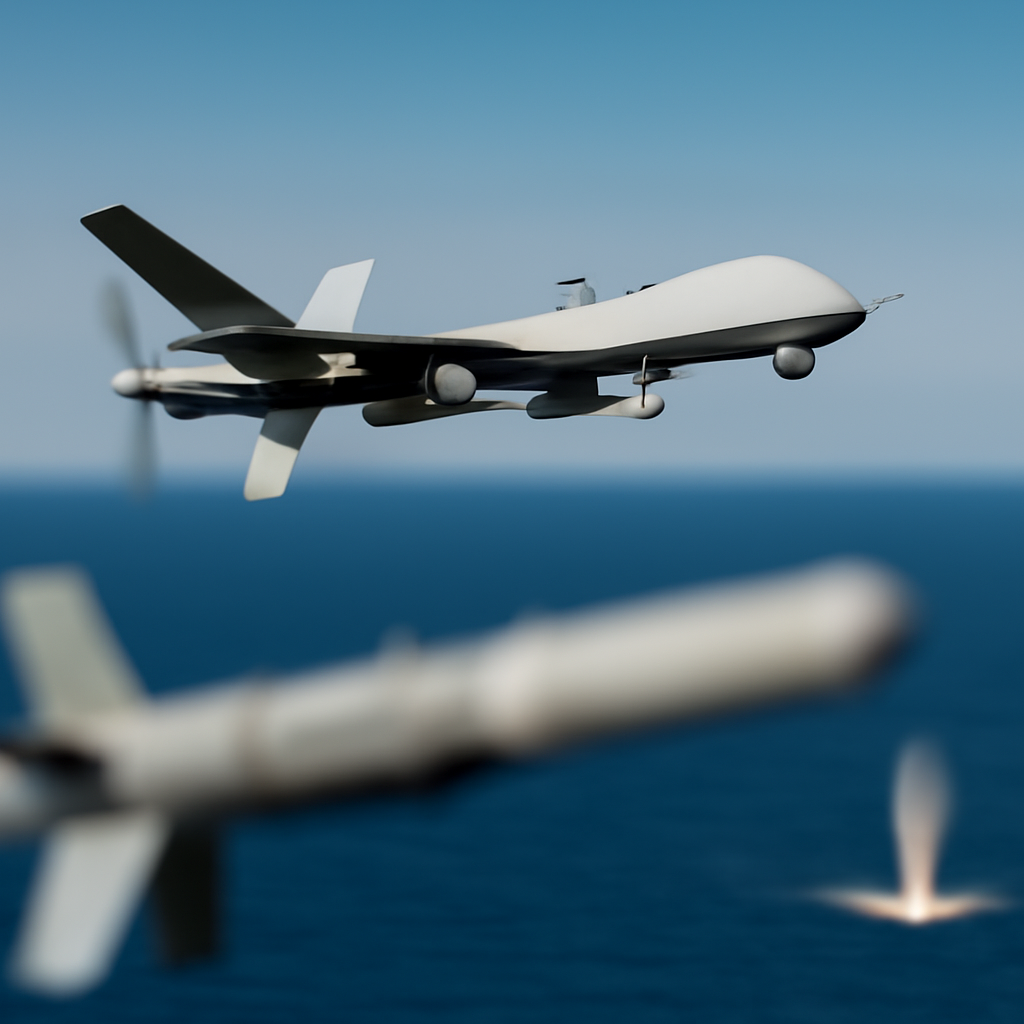
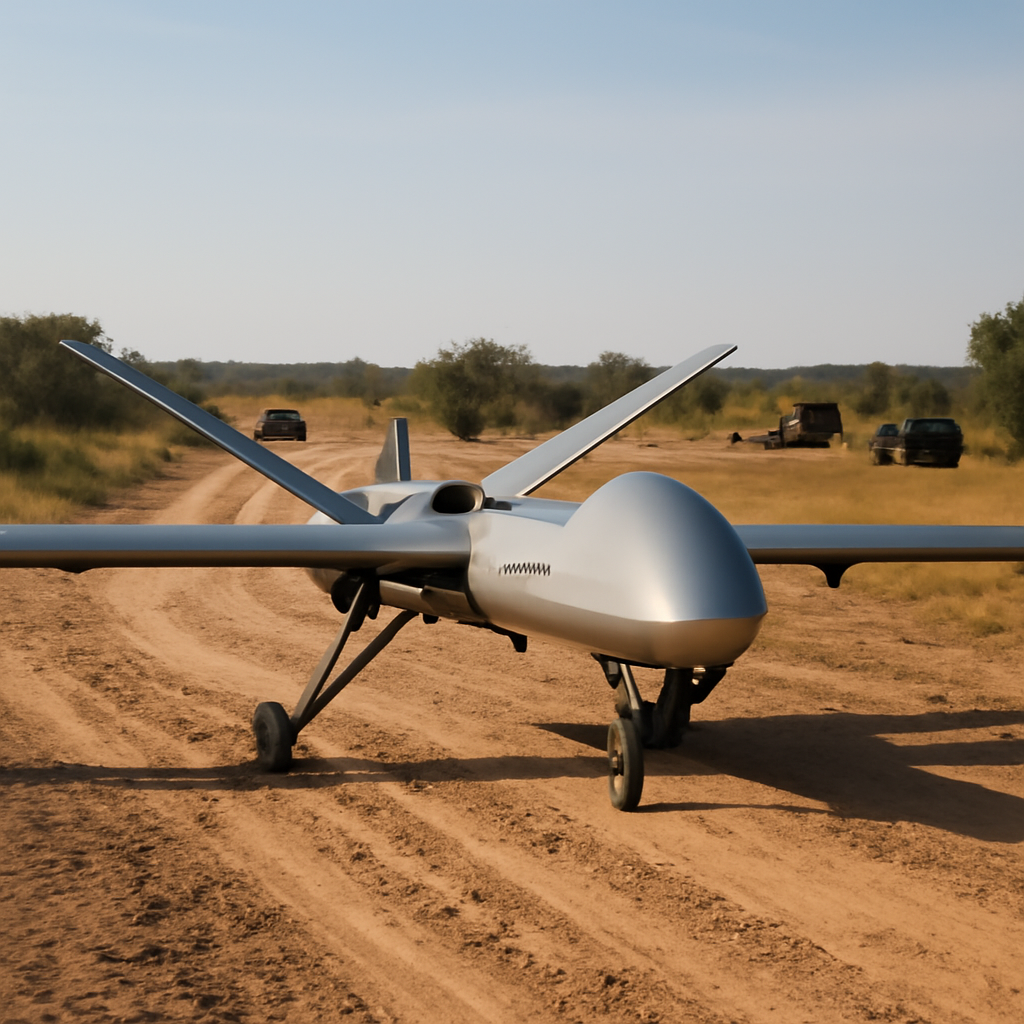
The conference will also showcase recent U.K. defense decisions. Last month the United Kingdom unveiled a new $298 billion defence investment plan that explicitly calls for investments in UK Space Command to "enhance space control" and for the integration of autonomous systems across the armed forces. The strategy names an autonomous drone wingman program, a "Hybrid Navy" with autonomous surface and uncrewed sub-surface vessels, an Army "transformed by AI" with armed autonomous vehicles and drones, and a Next Generation Royal Air Force with "new autonomous fighter jets" able to operate from land bases or aircraft carriers.
U.K. military leaders plan to discuss the country's growing F-35 fleet, noting that some aircraft will be nuclear-capable as part of the alliance’s deterrence mission, and to examine how the U.K. contributes to NATO’s Integrated Air and Missile Defence mission. The investment announcement followed the resignation of the country’s defense secretary, who protested the initial spending plan and said in a public letter the country was "unwilling" to support "resources that the nation needs to defend the country at this time of rising threats."
After a prickly NATO summit: unity is both declared and tested
The London conference arrives on the heels of a tense NATO meeting in Turkey. At that summit, President Donald Trump criticized Spain and called Denmark’s pushback of a proposed U.S. takeover of Greenland "a big problem for us." According to the reporting, he urged cooperation with allies in private conversations and later said there was "a lot of unity" at the summit. Those mixed public and private signals have prompted U.K. air and space leaders to make a public case for solidarity ahead of the London talks.
How militaries, policymakers, and technologists are responding
- Militaries: Air and space services from the U.K., U.S., and partner nations will use the conference to align doctrine and interoperability on space missions, F-35 operations, and integrated air and missile defense—areas the agenda frames as central to collective deterrence and control of the battlespace.
- Policymakers and government leaders: U.K. officials now must translate the $298 billion investment plan into procurement, organizational changes (including bolstering UK Space Command), and political consensus after a defense secretary's resignation over spending priorities.
- Technologists and program managers: Developers working on autonomous drone wingmen, AI-enabled ground systems, uncrewed naval vessels, and space-capability programs will find increased demand and scrutiny as governments push to field those capabilities and demonstrate interoperability with partners.
The London gathering is intended to convert public calls for cohesion into concrete commitments: speakers and delegates will be measured not only on words but on spending plans, signed agreements such as Poland’s statement of intent with the U.S. Space Force leader, and the readiness of nascent autonomous and space-control programs. The conference tests whether the argument Sir Harv Smith framed—"the ultimate team game; we cannot do this alone"—can withstand recent political friction and a reordered investment posture in the U.K.