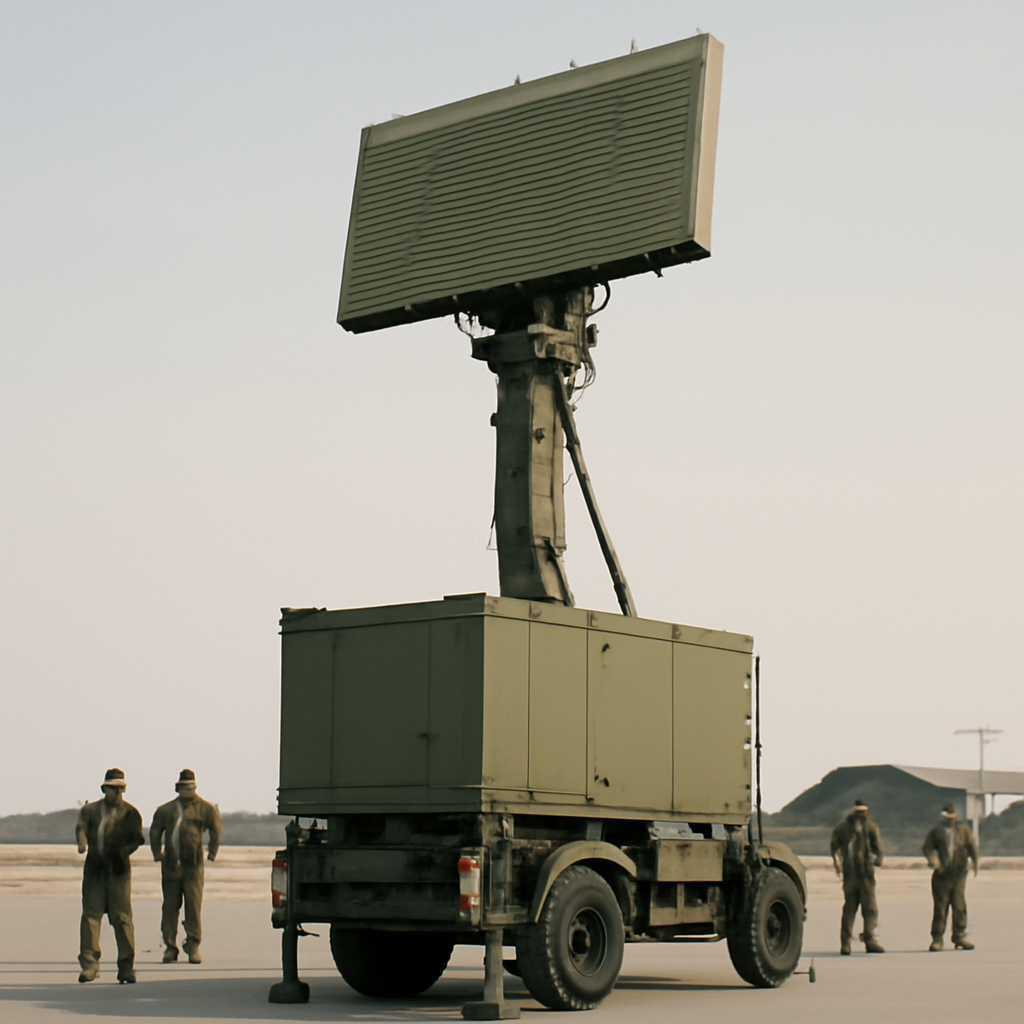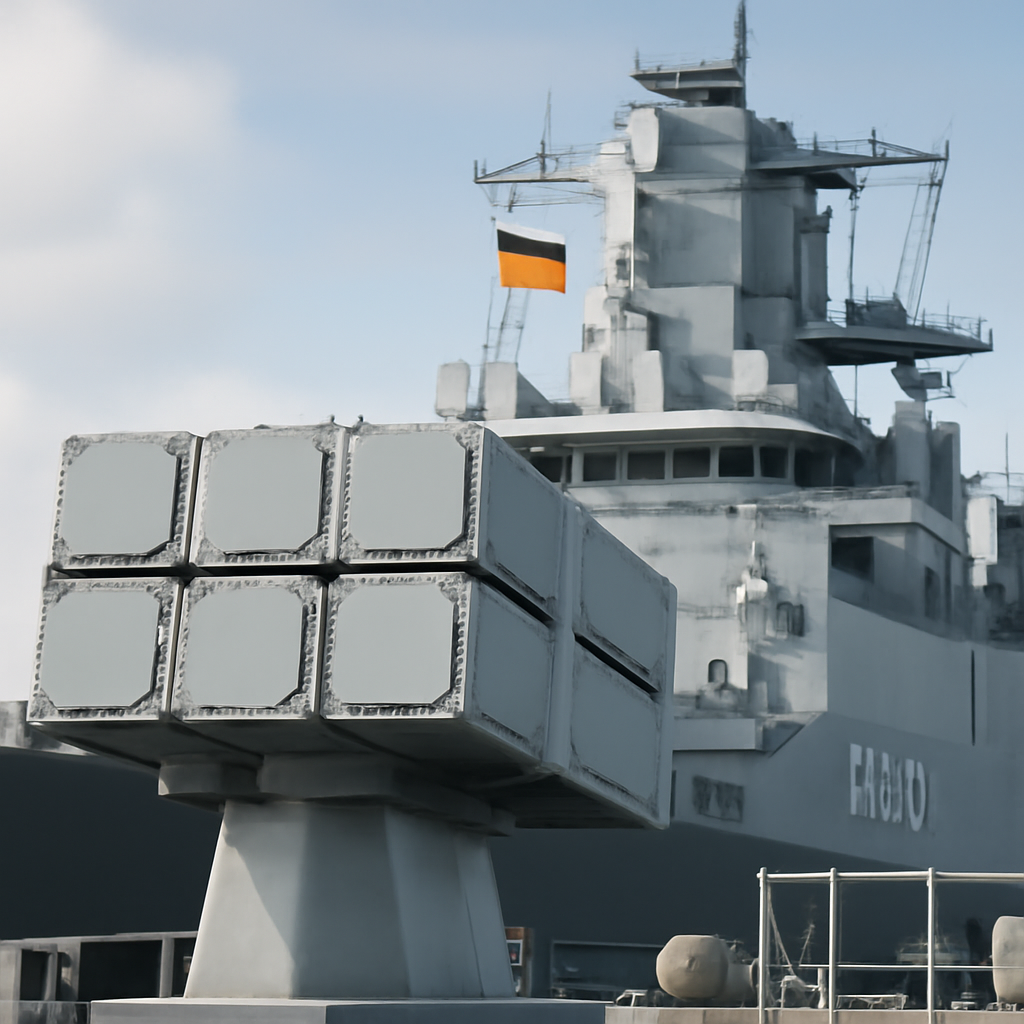
"The aim is to make the system mission-capable on the German Navy’s F125 frigates," Diehl said in its announcement.
Diehl Defense and BAAINBw: a contract to navalize IRIS-T SLM
Diehl Defense and Germany’s Federal Office of Bundeswehr Equipment, Information Technology and In-Service Support (BAAINBw) have signed a contract to adapt and develop the IRIS-T SLM surface-to-air missile system for operational use aboard the German Navy’s F125 frigates. Under the agreement, Diehl will build prototypes and conduct comprehensive test firings intended to validate the system’s integration and performance within the existing F125 architecture.
The German parliament’s Budget Committee approved the adaptation effort on September 23, and the Defense Ministry framed the program as an expansion of the F125’s self‑defense capability in response to the current air threat. The contract follows a rapid development effort that began in 2024 and progressed to a navalized demonstrator in 2025.
The integration package: launchers, missiles, and ship interfaces
Each F125 frigate is slated to receive two new launchers, each capable of holding 16 missiles — 32 missiles per ship in total. The program focuses on integrating the IRIS-T SLM architecture with the F125’s existing sensors and command systems rather than carrying out a deep structural redesign such as installing a conventional vertical‑launch system.
Diehl described the prototype construction and live firings as necessary to ensure "the seamless integration and maximum performance" of IRIS‑T SLM within the frigate’s current systems. The 2025 demonstrator used a deck‑mounted anti‑air warfare module rather than a traditional VLS installation; the current work seeks to turn that demonstrator into a qualified fleet capability.

This site is the portfolio.
OSINTSights runs on Cloudflare Workers, D1, R2, and Vectorize, with an AI pipeline on Hetzner ARM. Nubivance designed, built, and operates it. We do the same for clients.
See what we buildWhat the 2025 demonstrations showed: sensors feeding missiles at sea
In October 2025, the F125 frigate Baden‑Württemberg participated in a Maritime Firing Exercise off Andøya, Norway, carrying an experimental anti‑air warfare module based on IRIS‑T SLM. The Bundeswehr reported that Baden‑Württemberg fired three live IRIS‑T SLM missiles during the exercise, and that the ship’s radar supplied target data to the missile system — demonstrating basic sensor‑to‑shooter integration aboard an F125.
Diehl says the module went from concept to firing in less than 10 months and met all established test and evaluation objectives. Those events established that the concept could work at sea; the contract now aims to translate that demonstration into an operational capability across the class.
IRIS‑T SLM’s performance envelope and the F125’s remaining gaps
IRIS‑T SLM is designed as a medium‑range surface‑to‑air system with an engagement range of around 25 miles and an altitude envelope of approximately 65,000 feet. Equipping F125s with this system would therefore provide a credible layer of medium‑range air defense between the ship’s short‑range Rolling Airframe Missile (RAM) launchers and the longer reach of escorts or aircraft.
Even after installation, the F125 will still lack some capabilities typical of larger air‑warfare combatants: it will not gain the sort of large vertical‑launch missile battery found on Germany’s F124 frigates, nor will it receive an organic anti‑submarine warfare sensor and weapon suite under this program. The upgrade narrows one conspicuous gap — medium‑range air defense — but does not convert the class into an air‑warfare destroyer.
What this means for the German Navy, BAAINBw and Diehl Defense, and task groups
- German Navy: The class should gain the ability to contribute to its own medium‑range air defense instead of relying solely on escorts; commanders will be able to exploit existing TRS‑4D/NR radar information within a larger engagement envelope.
- BAAINBw and Diehl Defense: The contract puts both organizations into a prototype and test‑firing phase aimed at qualifying the navalized system for shipboard operations — a rapid development tempo that began with feasibility work in 2024 and a demonstrator in 2025.
- Task groups and replenishment ships: The Defense Ministry cited IRIS‑T SLM’s combat experience in Ukraine and recent operations in the Middle East when justifying the upgrade; the F125’s limited air defense capability was explicitly referenced in Germany’s decision to reroute the frigate Baden‑Württemberg away from the Red Sea in November 2024 because of Houthi missile and drone threats.
The program represents a pragmatic compromise: using a navalized, deck‑mounted IRIS‑T SLM module to add meaningful medium‑range air defense without the invasive reconstruction required for a large vertical‑launch installation. With prototypes, test firings, and integration validation now under contract, the immediate questions are operational — how quickly Diehl and BAAINBw move from prototype to fleet qualification, and how the newly equipped F125s will be employed alongside escorts, air assets, and replenishment vessels in contested environments.