Under Watchful Eyes: French Spy Operations and Complex Alliances in the Middle East
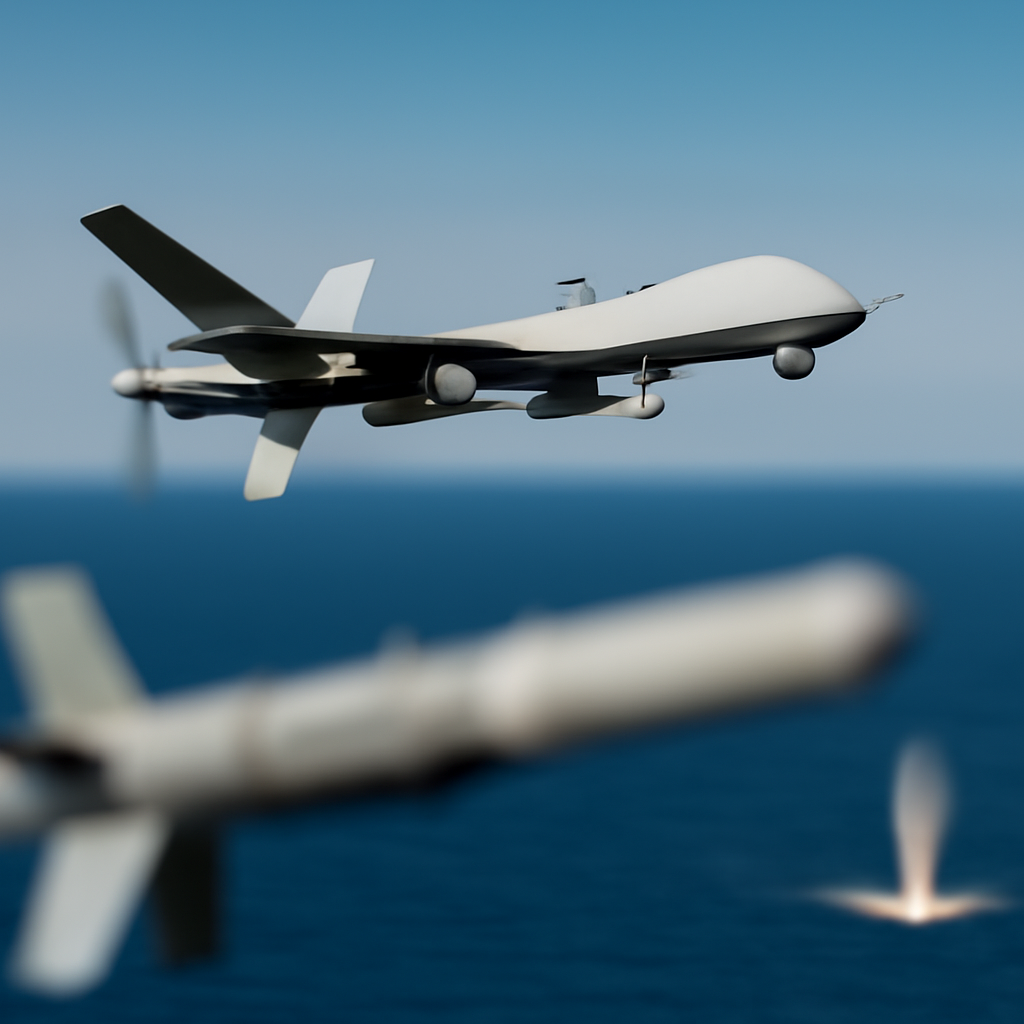
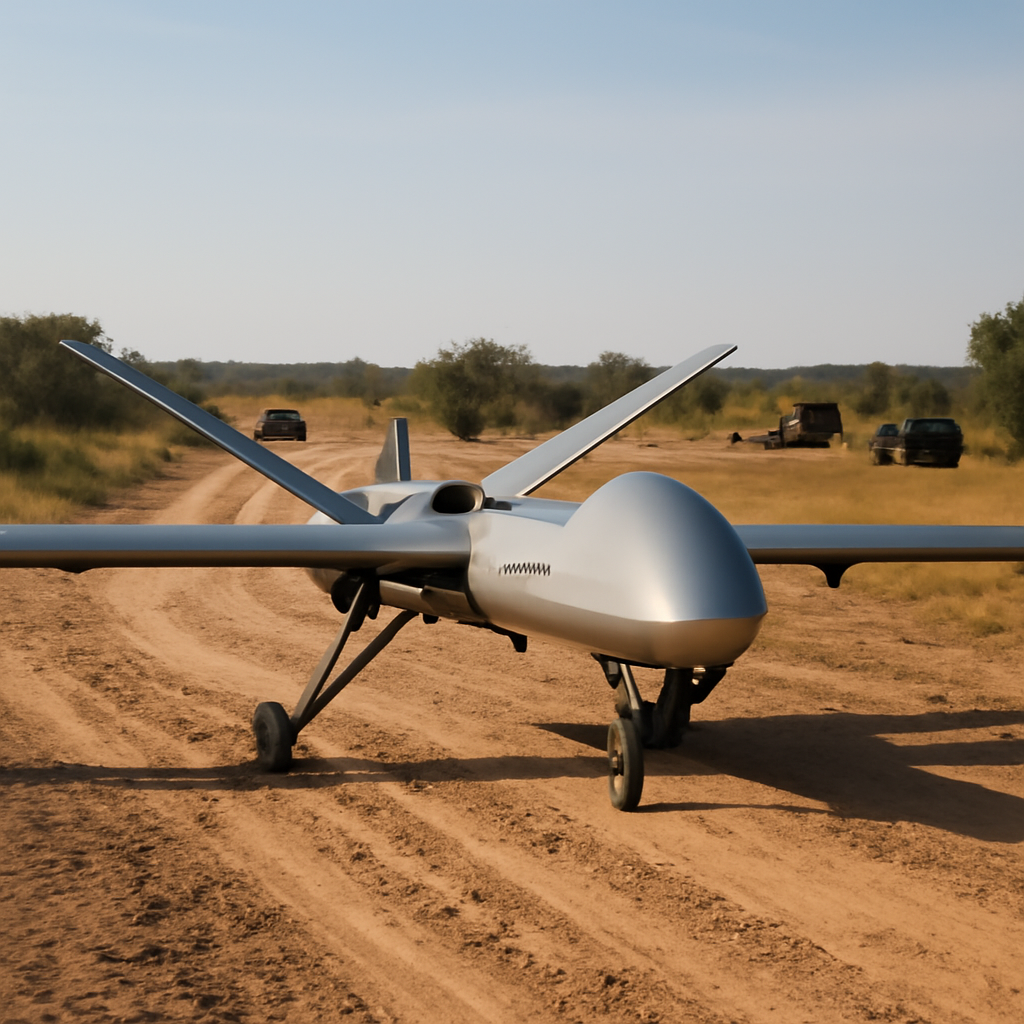
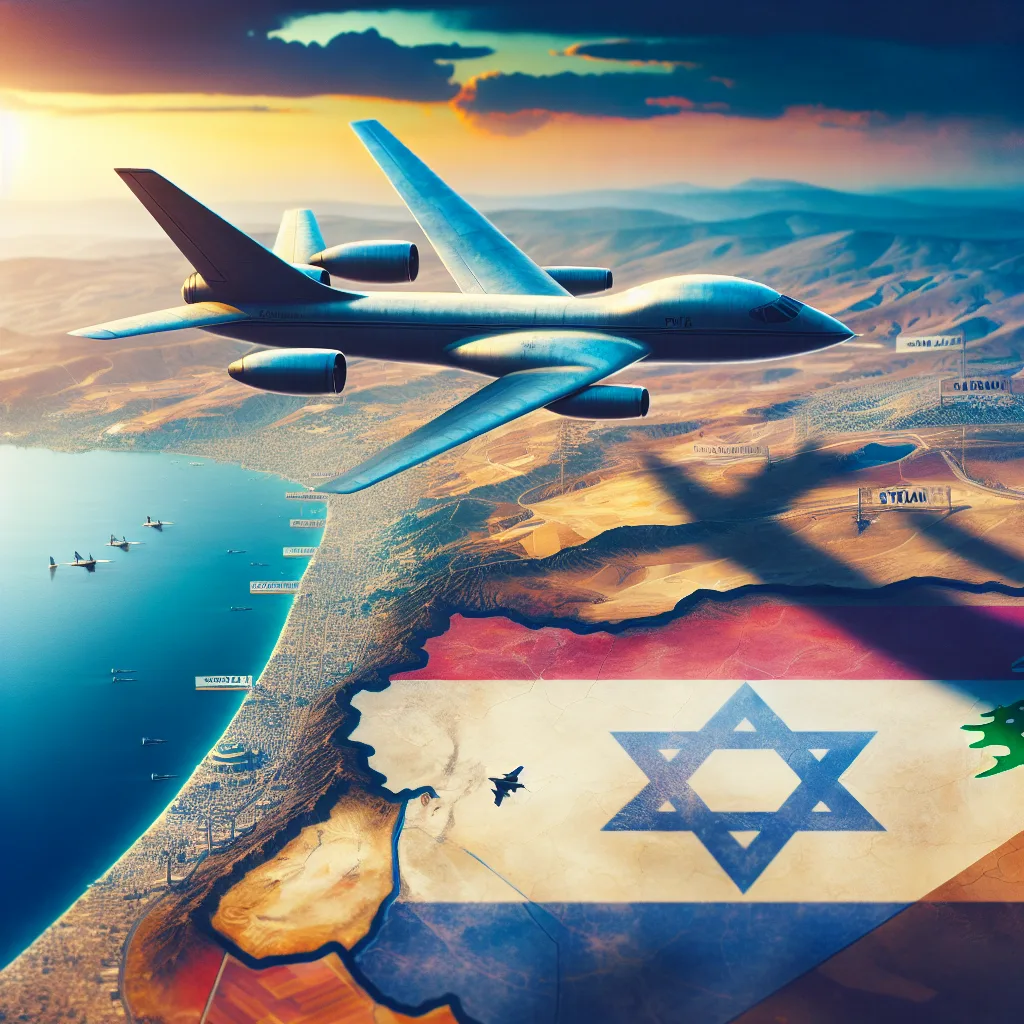
A French Vador spy plane has just departed for Crete after what officials describe as an “intense campaign” of technical intelligence gathering over Lebanon—a mission that underscores the shifting contours of security and strategic partnerships in the beleaguered Middle East. The operation, executed with demonstrable coordination with Israeli intelligence, has raised both eyebrows and questions among regional experts about its scope and implications.
In a region where the interplay of covert operations and overt statecraft has long been the order of the day, France’s renewed engagement with Middle Eastern intelligence gathering is far from arbitrary. For decades, Paris has maintained a complex relationship with Lebanon—a bond marked by historical ties, shared cultural legacies, and occasional military intervention. The recent sortie over Lebanese airspace echoes these longstanding engagements, yet it is tempered this time by technical sophistication and cross-border cooperation.
Officials at the French Ministry of the Armed Forces have provided only minimal details, emphasizing that the mission was strictly “technical” in nature. Nonetheless, a review of available facts reveals that the deployment of the French Vador spy plane was part of a broader initiative to track key developments from Syria and Lebanon up to Israel’s borders. This comes at a time when digital communication, satellite imagery, and stealth-based reconnaissance have redefined the intelligence landscape.
The involvement of Israeli support in the mission is particularly notable. Israel, with its extensive network of intelligence and counterterrorism capabilities, has a vested interest in the stability of the surrounding region. While the specifics of the collaboration remain classified, it is clear that both nations share mutual concerns over potential threats posed by non-state actors and rogue state elements that could destabilize a fragile balance.
Historically, France’s defense and intelligence community has taken pride in its autonomy. Yet, this recent operation signals an increased propensity for joint intelligence endeavors where cooperative arrangements help to mitigate shared risks. As regional tensions persist and new security challenges emerge—whether from extremist factions, regional proxy wars, or nascent cyber threats—the pooling of intelligence resources appears to be the natural evolution of modern statecraft.
To fully appreciate the implications of this operation, one must consider the context that brought French spy planes back into the limelight. Over the course of previous decades, French military and intelligence agencies have cultivated a reputation for adaptability. After the Gulf War and in successive engagements in Africa and the Middle East, Paris has often been at the forefront of technical and aerial reconnaissance initiatives. This campaign, emerging amid renewed regional volatility, also dovetails with broader French strategic interests aimed at reasserting influence in former colonial regions and in new areas of geopolitical contention.
Recent statements from experts at the International Institute for Strategic Studies (IISS) have noted that cross-border intelligence sharing is not only a tool of necessity but also one of strategic advantage. According to these observers, measures that might once have been considered unilateral are now emerging as essential elements of a coordinated approach to tempo and threat—particularly at a time when conventional alliances are being reexamined. Indeed, as the geopolitical chessboard shifts in the Middle East, observers from respected publications like the Financial Times and Reuters have detailed similar extensive reconnaissance undertakings aimed at pre-empting emergent regional security dilemmas.
From a technical standpoint, the French Vador—not a household name outside military and intelligence circles—embodies cutting-edge advances in reconnaissance technology. Its sophisticated payloads allow for real-time interception of communications, high-resolution imaging, and signal intelligence (SIGINT) collection. Such capabilities are indispensable when navigating a terrain where borders are porous and the lines between combatants and noncombatants are often blurred. Analysts have underscored that in modern conflict environments, intelligence gathering is as pivotal as kinetic operations; without a clear picture of the evolving threat matrix, even the most robust military capabilities risk misapplication.
Critically, the mission’s departure to Crete signals not an end but a strategic pivot. Crete, lying at the juncture between Europe, Asia, and Africa, has historically been a fulcrum—a gateway that allows for rapid movement and robust communication links between theaters of operation. The island’s strategic location further reinforces Paris’s commitment to a broader regional surveillance network designed to counterbalance emerging threats. It is not hard to see how, in an era marked by rapid technological change, such multipolar approaches are emerging as de facto norms.
In the words of retired French Air Force General Jean-Pierre Delahaye, speaking to France 24 in a 2021 interview—a dialogue that has come under renewed relevance—“operational efficiency today demands that we move beyond traditional boundaries at every level. National defense is intrinsically linked to our ability to harness the best technology and form pragmatic alliances with like-minded nations.” General Delahaye’s remarks, though several years old, now resonate with current developments, as France appears to be recalibrating its intelligence framework in line with both technological evolution and regional exigencies.
Beyond immediate intelligence and security implications, this collaboration between France and Israel may also have significant political ramifications. While both governments maintain that operational secrecy is vital, the optics of cross-national surveillance over a region as politically volatile as the Middle East are likely to fuel intense diplomatic debate. European policymakers, pressed to balance regional stability with national sovereignty, find themselves navigating a precarious path. Sometimes, the balance between transparency and secrecy can be a thin line, even for seasoned diplomats.
It is important to recognize that this operation is not a standalone occurrence. Instead, it is a product of sustained intelligence efforts designed to map a multifaceted battlefield. With developments in Syria and Lebanon continuing to challenge regional stability—often with unpredictable repercussions—the French initiative can be seen as part of a larger mosaic of actions intended to maintain equilibrium. In an environment rife with shifting allegiances and emerging threats, the ability to gather accurate, timely intelligence remains the cornerstone of effective policy formulation and crisis response.
Expert observers in military strategy have cautioned that while such operations enhance situational awareness, they also run the risk of escalation if misinterpreted by local actors or adversarial states. The delicate interplay of national pride, operational necessity, and the ever-present specter of regional provocation calls for a measured approach. As French and Israeli agencies continue their dialogue, it is likely that behind-the-scenes diplomatic channels are as active as the aerial operations over Lebanon, each seeking to ensure that this collaborative intelligence effort remains a stabilizing force rather than a catalyst for further conflict.
Looking ahead, regional observers suggest that this intelligence campaign is symptomatic of a broader strategic pivot in Western engagement with the Middle East. Analysts at the European Council on Foreign Relations (ECFR) have noted that as the Middle East moves away from the unipolar dynamics of the post-Cold War era, new alliances and collaborations, even if discreet or temporary, will shape the security environment for years to come. In the observer’s view, the mutual sharing of intelligence data could eventually contribute to more comprehensive and multilateral security frameworks—offering hope for a more cooperative future, even in troubled times.
As with any significant intelligence operation, the true impact of these efforts may remain shrouded in layers of classified data and strategic ambiguity. What is clear, however, is that the French mission reflects a proactive stance in understanding and mitigating regional risks. In an age when the speed of information is matched only by the pace of conflict, every new initiative is a double-edged sword—one that promises protection while simultaneously challenging established geopolitical orders.
This operation, therefore, invites us to ponder the broader implications of technology, alliance, and strategy in contemporary statecraft. It is a reminder that as nations adapt to new threats, the means by which they secure their interests become as sophisticated as the adversaries they face. For the people of France, Israel, Lebanon, and the surrounding region, the stakes are not merely political or military, but fundamentally human. The stability, security, and future of entire communities may well depend on the decisions made high above turbulent territories—a reality that demands not only precision and expertise but also a keen understanding of the human cost of modern conflict.
As the French Vador disappears from the horizon and moves toward Crete, one is left to contemplate the enduring paradox of modern security: the relentless pursuit of peace often runs parallel to the ceaseless preparation for conflict. It is, perhaps, a reflection of the enduring truth that in a world of shifting alliances and emerging threats, the only certainty is the need to stay one step ahead—a reality that will likely define the strategies of nations for years to come.