French Military’s Cautious Stance Raises Questions Over Pro-Russian Networking Event
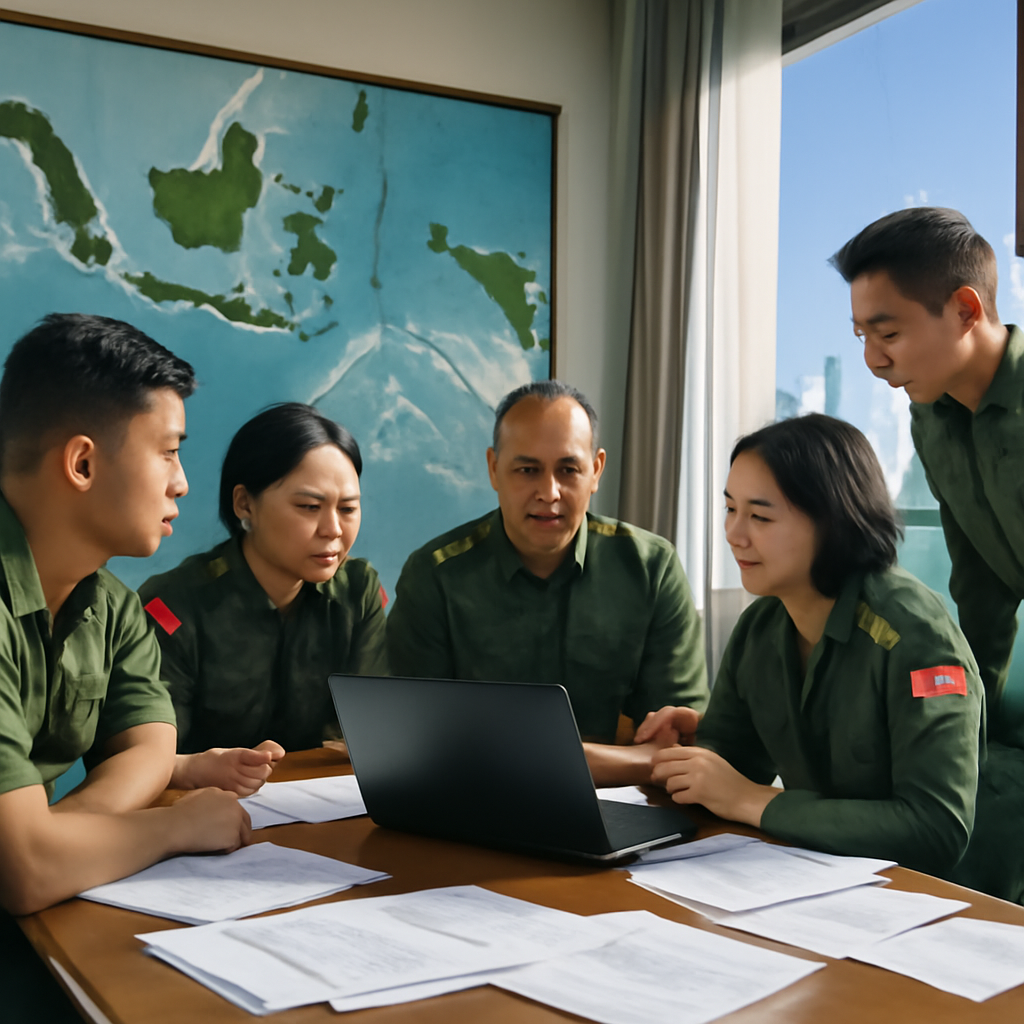
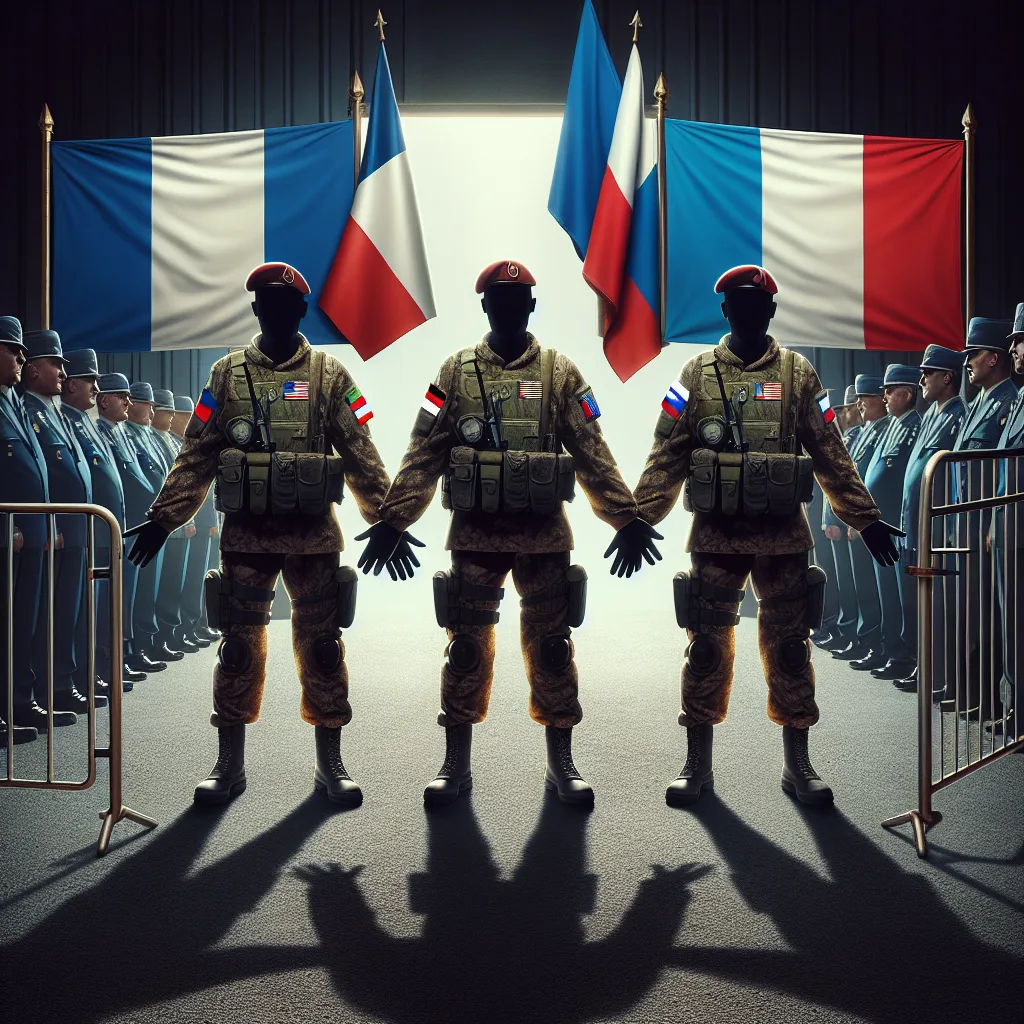
In a move that has stirred debate over neutrality and the boundaries between military professionalism and political expression, three French officers were recently barred by the army from attending a conference organized by the Institut Jean Lecanuet. The event, set to explore aspects of Franco-Russian networks, is chaired by former French senator Yves Pozzo di Borgo, a figure known for his pro-Russian stance. This development has prompted questions not only about the appropriateness of military personnel participating in politically sensitive events, but also about the broader influence of foreign networks in national debates.
According to official statements from French military authorities, the decision to exclude the officers was driven by an imperative to avoid any appearance of bias or conflict of interest. In a climate where national security concerns and geopolitical alignments underscore every move, the French army insists that maintaining a distance from politically charged gatherings is essential to preserving both the integrity of the force and public trust. As Europe continues to navigate the ramifications of Russia’s actions on the international stage, internal discussions over such affiliations have grown notably more heated.
The conference itself, organized by the Institut Jean Lecanuet, has become a flashpoint. The organization, known for fostering dialogue on international relations and security affairs, has invited participants with diverse, and sometimes controversial, viewpoints. At its helm, Yves Pozzo di Borgo—a former senator whose views have frequently aligned with a pro-Russian narrative—has been both celebrated and criticized. His leadership at the conference underscores a broader trend in France and other Western nations: the struggle to balance open dialogue with the need to safeguard established institutional boundaries.
Historical context is essential to understanding this incident. The French military has long maintained a policy of political neutrality, a legacy shaped by both historical precedent and modern-day security imperatives. Since the tumultuous period following the Cold War, when questions of national identity and external influence came to the forefront in France, military oversight has tightened its rules regarding politically affiliated events. The current decision to bar officers can be seen as a continuation of this trend—a reminder that the armed forces, while a repository of national expertise, must remain insulated from political currents that might compromise their operational neutrality.
Adding further complexity to the issue is France’s evolving position in European security. In recent years, the intersection of military affairs and political discourse has been under intense scrutiny. With aggressive postures from external powers and internal pressures to uphold stringent standards of conduct, French military leadership has been compelled to delineate clear boundaries. Reports from French media outlets, including AFP and Le Monde, have noted that the debate over participation in events like the Franco-Russian conferences is not merely academic but has real-world implications for the country’s strategic posture.
At the heart of this matter is a delicate balancing act. On one side are those who argue that strict separation between professional duty and political engagement is vital for national security. They maintain that any association with politically charged forums risks undermining the legitimacy of the armed services. On the other side, voices from within certain academic and intellectual circles suggest that open discussion—even on contentious topics—can foster better understanding of international influences and inform more robust policy-making. Nonetheless, in an era marked by intensifying global tensions, many policymakers err on the side of caution.
Officials from the French Ministry of the Armed Forces have emphasized that the exclusion of the three officers was not a punitive measure but a preventive one. They argued that participation in events where politically sensitive topics are at the forefront could compromise operational discretion. The decision reflects, they say, adherence to a longstanding tradition where military personnel are expected to keep a respectful distance from platforms that might be perceived as promoting divisive or foreign-influenced ideologies.
This incident also dovetails with a wider debate on the limits of free association for members of the armed services. Observers note that the controversy touches on core questions about identity and allegiance in an interconnected world. For instance, during a recent panel discussion on military influence in political spheres at the European Parliament, experts remarked, “The challenge is ensuring that our armed forces are seen as apolitical guardians, not political pluralists.” While the specific names and details of the officers involved have not been disclosed, the underlying principle remains clear: institutional affiliation and national loyalty must remain uncompromised.
- Background: Over the past decade, increased scrutiny of military associations with political groups has led to reformed guidelines for professional conduct. This is particularly true in France, where historical experiences and modern geopolitical shifts have recalibrated the lines between state institutions and political life.
- Official Response: French military spokespeople have issued statements reiterating that the exclusion was driven by operational prudence. The aim is to prevent any real or perceived conflicts of interest that might arise in the politically charged realm of international networking.
- Academic Discourse: Scholars at various think tanks emphasize that while open dialogue on international relations is vital, the highly sensitive nature of Franco-Russian ties necessitates clear boundaries to protect state integrity.
Notably, the recycling of pro-Russian narratives in European political commentary has long been a subject of both scholarly analysis and governmental concern. Yves Pozzo di Borgo’s involvement, given his controversial stance, is particularly emblematic of these tensions. His longstanding advocacy for closer engagement with Russian perspectives—whether accented by academic rigor or ideological leanings—has ensured that debates over the legitimacy and timing of his public appearances remain heated.
International observers have also taken note of the incident. In a period where Eastern European security is under constant review and the mechanisms of Western defense cooperation are under pressure, even internal events can have rippling effects across the continent. While NATO officials and other Western allies have so far refrained from commenting directly on the decision, energy in diplomatic circles suggests that maintaining a strictly nonpartisan image in military ranks is universally acknowledged as critical to operational credibility.
The broader implications of the incident raise questions about transparency and institutional accountability. If military personnel are to serve both national and international interests, should there be a clearer public framework governing their civic engagements? Would more openness in delineating these boundaries foster trust, or could it inadvertently invite politically motivated attacks on the armed services? Such questions are resonating in policy review circles across Europe, where the need for a balanced approach is becoming increasingly apparent.
While all sides of the debate seek to balance competing ideals of free intellectual inquiry and institutional loyalty, there remains a widely held view that the inherent risks associated with any perceived politicization of the military outweigh the potential benefits of broader debate. In briefing sessions and internal reviews that have been reported by reputable news agencies, French defense officials continue to assert that the integrity of the armed forces must always take precedence over individual affiliations, regardless of the ideas being promoted.
Looking forward, the ongoing dialogue around this event may well prompt a reexamination of policies regarding military engagement in matters that border on political activism. Analysts predict that while the current measure is unlikely to lead to sweeping reforms overnight, it could serve as a catalyst for more nuanced discussions on how best to safeguard the reputation and impartiality of the armed services in an increasingly polarized global environment.
Critics, however, warn that overzealous separation between professional duty and public discourse could stifle legitimate debates on matters of national security and foreign policy. They point to historical episodes where military insights contributed significantly to strategic policymaking, arguing that a more measured approach—one that clearly defines acceptable boundaries rather than imposing outright prohibitions—might strike a better balance between operational integrity and democratic accountability.
In conclusion, the barring of three French officers from the pro-Russian networking event underscores a persistent tension within French society—and indeed, within many democratic nations—between the imperatives of military neutrality and the freedoms of civic engagement. The French armed forces have long been seen as apolitical custodians of national security, but the evolving nature of international relations means that such demarcations are increasingly under strain. As France and its allies continue to navigate complex geopolitical landscapes, one is reminded that institutional decisions often reflect broader societal struggles over identity, loyalty, and influence. In an era defined by rapid global shifts, how do we balance the benefits of open dialogue with the necessity of maintaining a secure and impartial defense institution?