Scale of the network and the arrests
Ukrainian authorities, working with the FBI, say they dismantled a cybercriminal organization that investigators traced to at least 27 individuals from Ukraine, Kazakhstan, Russia and other countries. Authorities further allege the group was connected to a larger network of more than 60 members operating across eight jurisdictions.
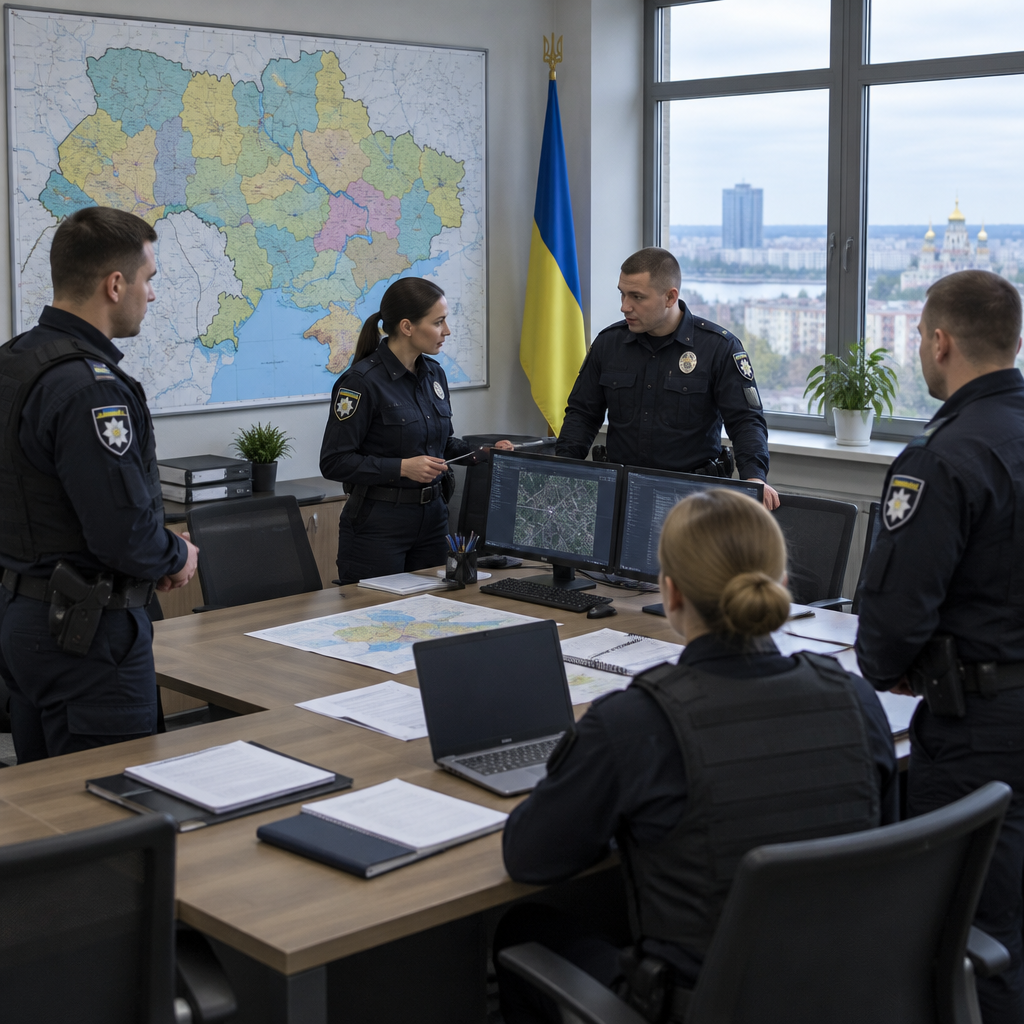
As part of a coordinated operation, police conducted 66 simultaneous searches across Kyiv and 11 regions of Ukraine. Four suspected key members were detained; authorities did not disclose the exact locations of those arrests. Investigators seized computers, mobile phones, bank cards, nearly $370,000 in cash and €20,000 during the raids.
Documented victims and ransom payments
Ukrainian court records and reporting identified multiple victims by name. The records list Warren Oil Company, Maxxis International-USA, Newpark Resources, and Quantum Health among affected firms. Investigators say the organization targeted companies in the oil and gas, pharmaceutical, manufacturing, logistics and financial sectors, and also hit critical infrastructure.
Tsutskiridze told Ukrainian outlet Censor.NET investigators had identified at least 28 companies that paid more than $40.5 million in ransoms. Court records link specific payments and incidents: Warren Oil Company was the victim of an August 2024 attack in which 1.4 terabytes of data were copied before the attackers received an 84.5 BTC ransom payment, reported as roughly $5 million at the time. Newpark Resources is alleged to have paid $1.5 million in December 2024. Quantum Health reportedly paid $5 million in June 2026 after an initial $15 million demand.

Audit-ready is a season. It shouldn't be.
Evidence in spreadsheets, controls drifting between audits, frameworks multiplying on flat headcount. Nubivance runs continuous compliance on Rapid7 Cyber GRC - SOC 2, HIPAA, ISO 27001, PCI, CMMC.
End the scrambleAI-powered IT-support impersonation and phishing tools
Investigators described a deliberate, multi-stage attack model that combined social engineering with technical intrusion. The group built a custom platform that used AI-generated voice messages to automate fraudulent phone calls. During those calls, attackers impersonated IT support specialists to trick employees into revealing credentials or installing remote-access software.
Ukrainian court records add that the attackers used phishing pages impersonating corporate VPN services, spoofed phone numbers, and remote-access tools such as TeamViewer and AnyDesk. In one documented incident, an attacker maintained a phone connection with an employee while another attacker accessed corporate systems; the call ended only after attackers confirmed the intrusion. In the Warren Oil Company case, records allege the attackers tricked an employee into entering credentials on a phishing page and then obtained a two-factor authentication code that granted remote access.
Connections to Conti, BlackSuit and Chaos — and the limits on attribution
Investigators say parts of the broader criminal ecosystem include former members of the notorious Conti ransomware gang and groups that have rebranded over time. The reporting notes one group linked to former Conti members operated as Quantum ransomware before becoming Royal and later running under the BlackSuit name; BlackSuit claimed responsibility for an attack on Maxxis International in November 2024, according to cybersecurity reporting.
Ukrainian court records identify the ransomware used by this criminal organization as Chaos. At the same time, Ukrainian authorities have not identified the four arrested suspects as former Conti members nor confirmed individual ties to BlackSuit or Chaos. The authorities emphasize the investigation is ongoing as they seek to identify additional members and clarify the full scope of the network.
Ukrainian and U.S. law enforcement operation and legal consequences
The operation was a joint effort with U.S. law enforcement; the FBI is named as a partner in the arrests. Four alleged key members were formally notified of suspicion and remain in custody facing charges under Ukrainian law for participating in a criminal organization and unauthorized interference with information systems. If convicted, the suspects face up to 15 years in prison.
Ukrainian authorities released a video from the investigation that includes raid footage, seized cash, interviews with investigators, and audio from an alleged extortion call in which attackers demanded $15 million after claiming to have stolen more than 1.5 TB of data.
What this means for oil and gas, financial, and critical infrastructure companies
- Oil and gas companies should note the use of credential theft plus 2FA interception leading to remote-access; incidents here included a 1.4 TB data exfiltration and a multi-million-dollar payment.
- Financial and logistics firms should be alert to the combination of phishing pages impersonating corporate VPNs and voice-based social engineering: the attackers built an automated AI-voice platform to impersonate IT support.
- Critical infrastructure operators named by investigators should expect continued investigative activity as law enforcement seeks additional members across multiple jurisdictions and will likely prioritize cross-border evidence collection tied to cryptocurrency payments.
The arrests mark a high-profile disruption of a wide-ranging extortion network, but Ukrainian authorities and the FBI say the probe continues as they map affiliations, identify more suspects, and quantify the full damage. The record released so far ties specific ransom payments and techniques to named victims and shows how AI-assisted social engineering and traditional remote-access tools were combined to carry out large, costly intrusions.