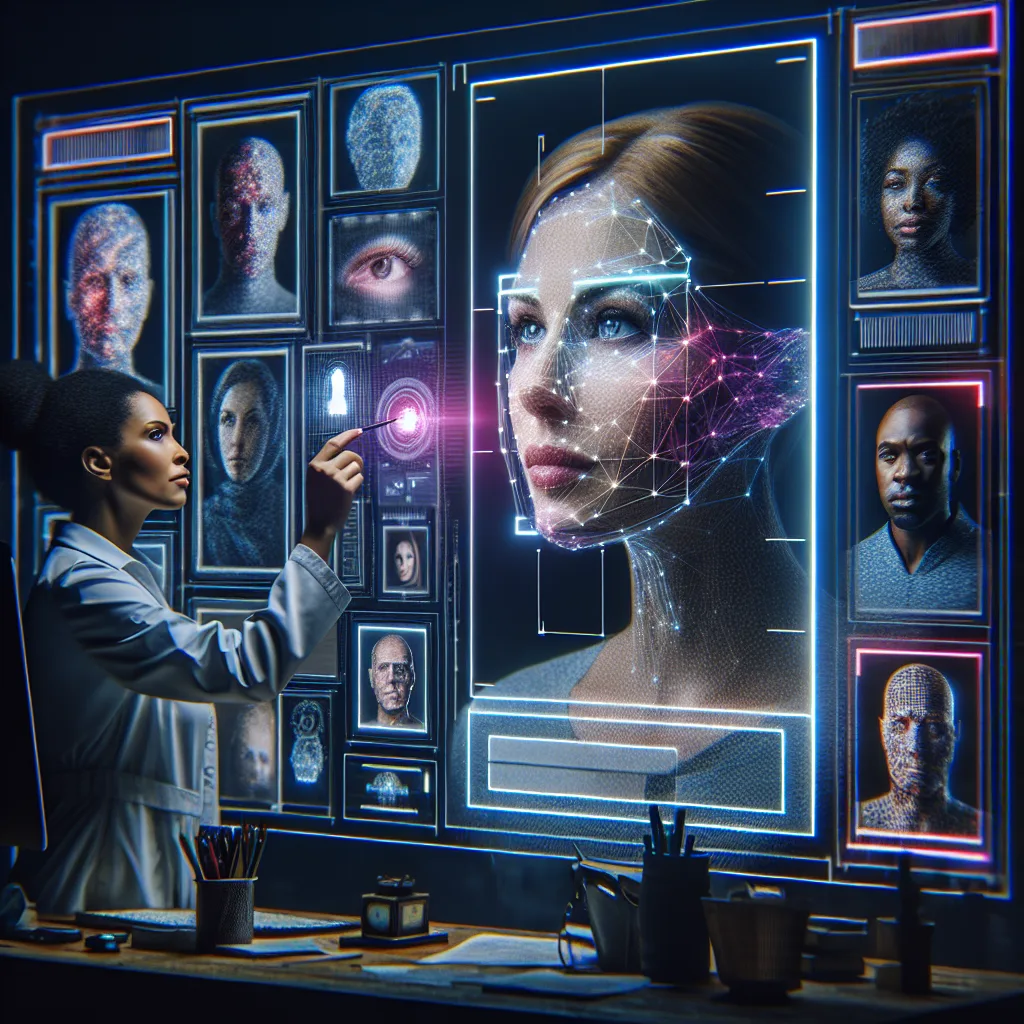
Discord’s New Frontier: Facial Recognition for Age Verification
In an era where digital interactions increasingly shape our social fabric, the question of age verification has taken center stage. As platforms grapple with the challenge of ensuring safe environments for users, Discord, the popular communication app, is testing a controversial new feature: facial recognition technology for age verification. This move raises critical questions about privacy, security, and the balance between user safety and personal freedom.
“We’re currently running tests in select regions to age-gate access to certain spaces or user settings,” a spokesperson for Discord stated. The company emphasizes that the information shared during this process is strictly for one-time verification and is not stored. The technology, developed by a third-party vendor, operates on-device, meaning that no biometric data is collected or retained. For those concerned about privacy, the assurance that scans of identification are deleted post-verification may offer some comfort. However, the implications of such technology extend far beyond the immediate user experience.
To understand the significance of Discord’s initiative, it is essential to consider the broader context of age verification in the digital landscape. The rise of online platforms has coincided with increasing scrutiny over the safety of minors in virtual spaces. In recent years, incidents involving inappropriate content and interactions have prompted calls for stricter regulations. Governments and advocacy groups are pushing for measures that protect younger users, leading many platforms to explore technological solutions like facial recognition.
Currently, Discord’s testing phase is limited to select regions, but the implications of its findings could reverberate across the tech industry. As the platform seeks to create a safer environment, it also faces the challenge of maintaining user trust. The balance between security and privacy is delicate; while some users may welcome enhanced safety measures, others may view facial recognition as an invasion of privacy. This dichotomy is not unique to Discord but reflects a broader societal debate about surveillance and personal freedom in the digital age.
The stakes are high. If successful, Discord’s age verification system could set a precedent for other platforms, potentially leading to widespread adoption of similar technologies. This could reshape how users interact online, particularly in spaces where age restrictions are critical, such as gaming and social media. However, the reliance on facial recognition technology also raises ethical concerns. Critics argue that such systems can perpetuate biases and may not be foolproof, leading to false positives or negatives that could unfairly impact users.
Experts in technology and privacy law emphasize the need for robust safeguards. According to Dr. Jennifer Lynch, a senior staff attorney at the Electronic Frontier Foundation, “While age verification is important, it’s crucial that any system implemented is transparent and accountable. Users should have clear information about how their data is used and what measures are in place to protect their privacy.” This perspective highlights the importance of user education and informed consent in the deployment of new technologies.
Looking ahead, the outcomes of Discord’s testing could influence not only its operational policies but also the regulatory landscape surrounding digital age verification. As more platforms consider similar measures, stakeholders—including technologists, policymakers, and civil rights advocates—will need to engage in dialogue about the implications of such technologies. The potential for a patchwork of regulations across different jurisdictions could complicate compliance for global platforms, necessitating a unified approach to privacy and security standards.
As Discord navigates this uncharted territory, the question remains: can technology truly safeguard our digital spaces without compromising our fundamental rights? The answer may lie in the balance between innovation and ethical responsibility. In a world where our online identities are increasingly intertwined with our real-world selves, the choices made today will shape the digital landscape of tomorrow.



