"We Get the Infrastructure We Pay For." — The Guardian
Separate outages at Microsoft, the FAA, banks, United Airlines, Apple, and an NSA network
Over the last week, service disruptions hit a disparate set of systems: Microsoft, the Federal Aviation Administration, a handful of banks, United Airlines, Apple, and an unnamed classified NSA network. According to the essay, these incidents were unrelated — "not the result of any cyberattack, coordinated or not" — and, with the possible exception of the classified NSA network, they "don't seem to be the result of AI." The pattern observed was not a single cause but a string of coincidences that exposed broader weaknesses.
Aging systems, hobbyist maintainers, and centralization
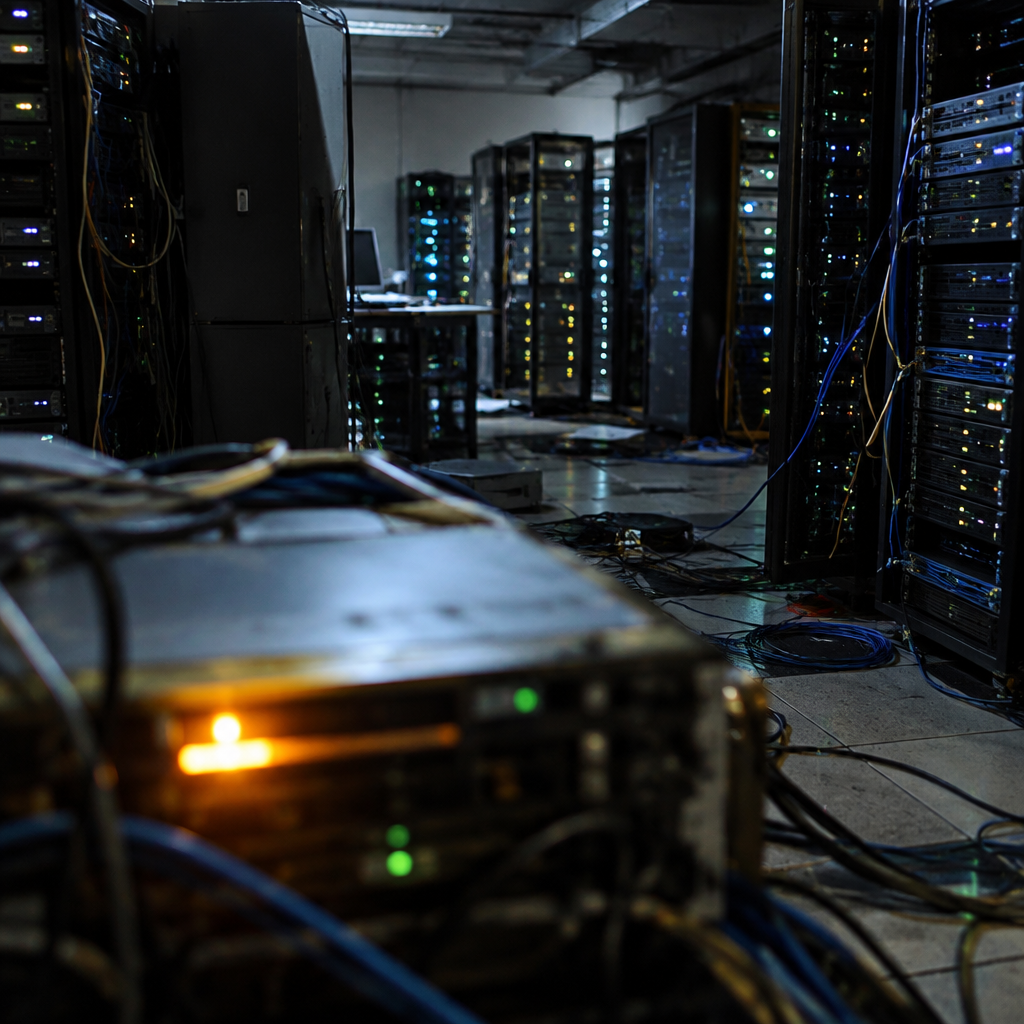
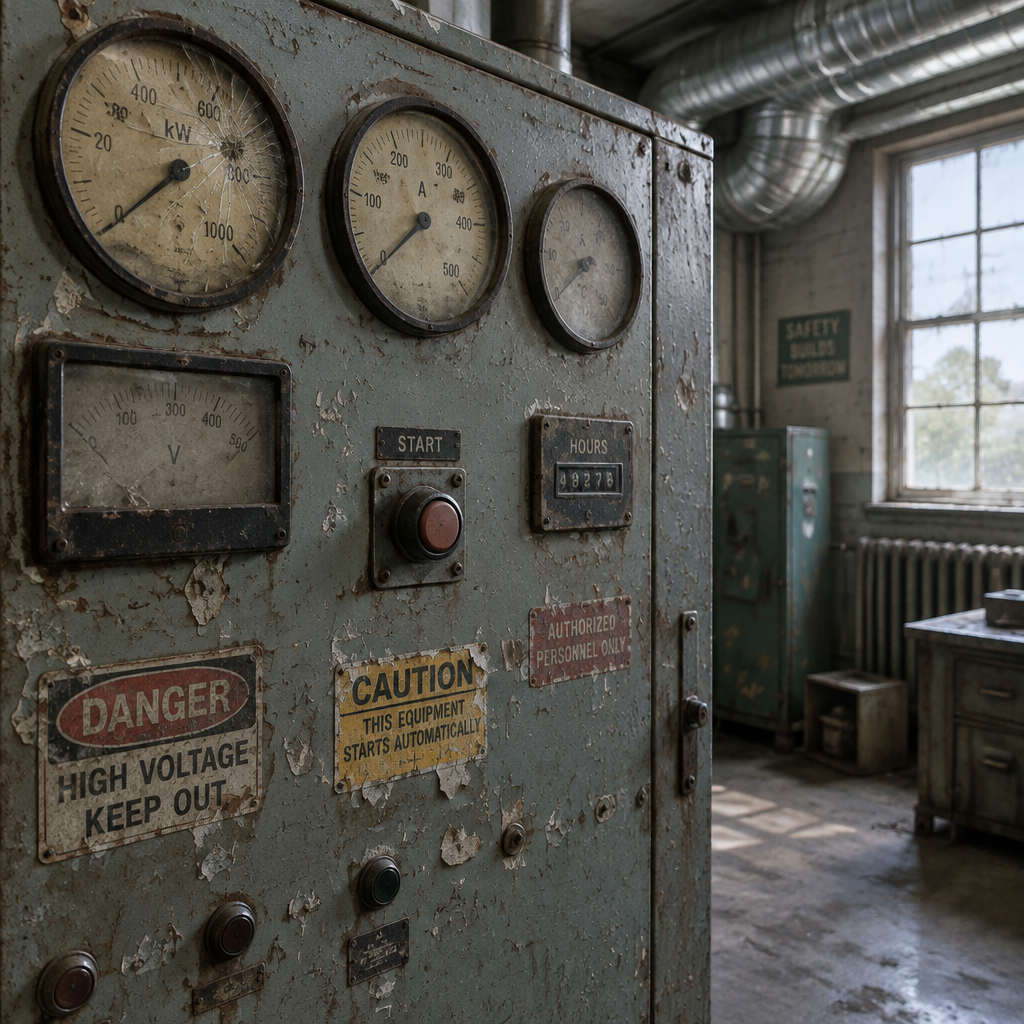
The essay paints a portrait of modern computerized infrastructure as vulnerable and fragile. Much of the technology is "old and has been incrementally patched and upgraded over the decades," and a "surprising amount of it is maintained by hobbyists, without any recompense." Backup systems are often lacking, and increasing centralization means individual failures have cascading consequences across society. The cumulative effect: "A lot of our tech infrastructure just barely works," and when it fails, it can fail badly.

This site is the portfolio.
OSINTSights runs on Cloudflare Workers, D1, R2, and Vectorize, with an AI pipeline on Hetzner ARM. Nubivance designed, built, and operates it. We do the same for clients.
See what we buildEconomic incentives driving fragility: shareholder capitalism and private equity
At the core of the argument is an economic diagnosis. Security, safety, resilience, redundancy and recoverability are all costs, the essay notes — "costs that don't generate near-term profits." In that environment, "modern shareholder capitalism, and private equity in particular, prioritizes near-term profits over everything else." Measures that improve reliability look like inefficiencies on a quarterly budget and are easy to trim. Market concentration further worsens the problem: monopolization removes competitive pressures that might otherwise reward better service.
How failures get socialized and systems become more attack-prone
The incentives to cut costs create brittle architectures with single points of failure and cascading failure modes. The essay warns that those architectures are "more susceptible to cyberattack—both human and AI-fueled—and more susceptible to random mistakes." When firms can "push the costs of failure on to society," the public bears the fallout: "we get stranded in airports when planes don't fly, or have to deal with the fallout when we can't withdraw money from our bank accounts." In short, privatized gains and socialized risks are offered as the mechanism that creates repeated, avoidable disruptions.
What this means for technologists, policymakers, and the public
- Technologists and security teams: expect to keep confronting legacy codebases, minimal backups, and centralized single points of failure — all problems the essay frames as economic rather than purely technical. Upgrading systems and adding redundancy are identified as technical solutions that remain constrained by current budgetary incentives.
- Policymakers and regulators: the essay calls for regulation "with enforcement and meaningful fines," and for "stringent antitrust enforcement" to alter incentives. It cautions, however, that implementation will be difficult where "monied interests have such a tight hold on the legislative agenda."
- End users and the general public: until economic and political incentives change, the essay concludes we should "expect lots more of these sorts of failures in the future," with everyday disruptions ranging from stranded travelers to inaccessible bank accounts.
The takeaway is straightforward and unadorned: the outages were not a mysterious coordinated assault but reminders that fragile systems are a predictable outcome of current economic choices. Technical fixes exist — upgrading systems, increasing reliability, removing single points of failure, and building resilience — but the essay insists those fixes "won't happen until we fix the political and economic ones." Absent enforced regulation and meaningful antitrust action, the author argues, similar failures will recur.