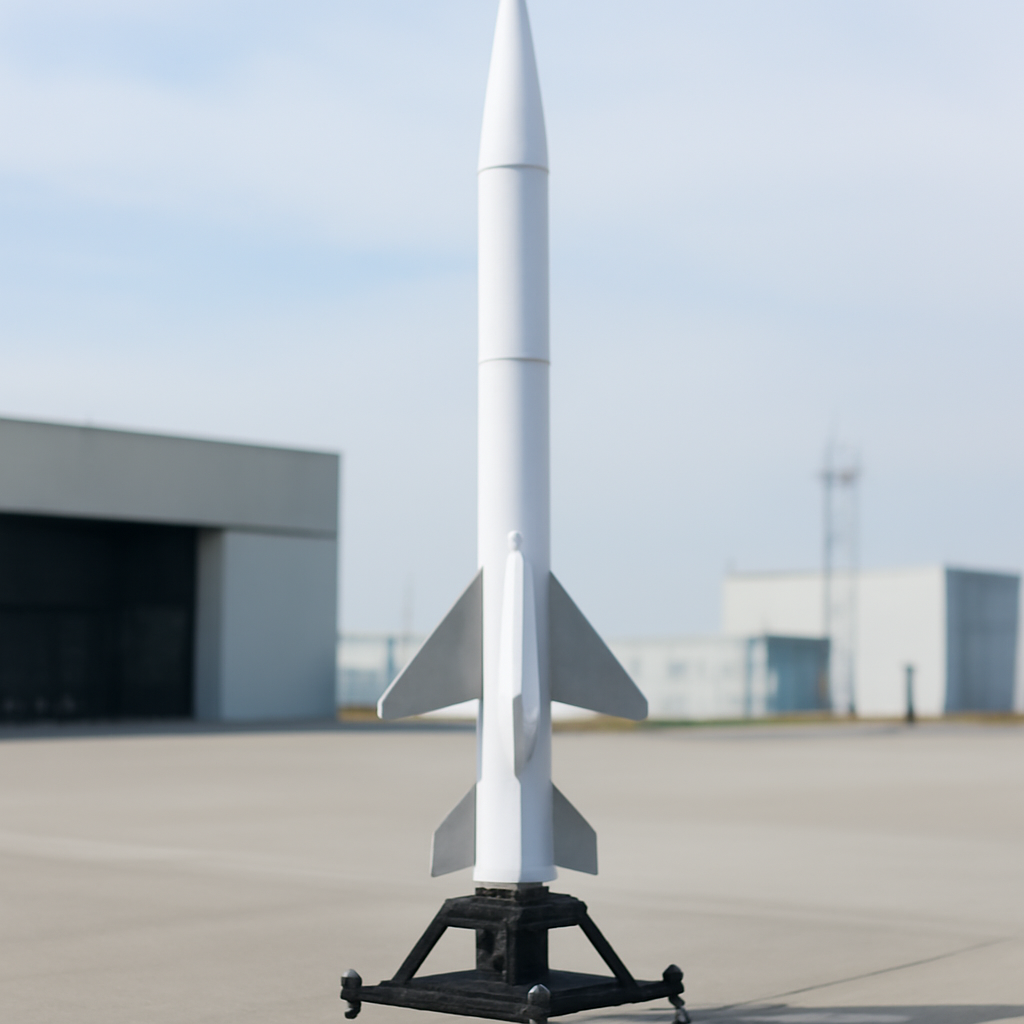
"We have the ability to strike back," Defence Minister Jeppe Bruus said today, framing Denmark's decision to buy two long-range precision missile types as a step to "strengthen national and collective deterrence."
Denmark's new missile purchases: Joint Strike Missile and Anthem
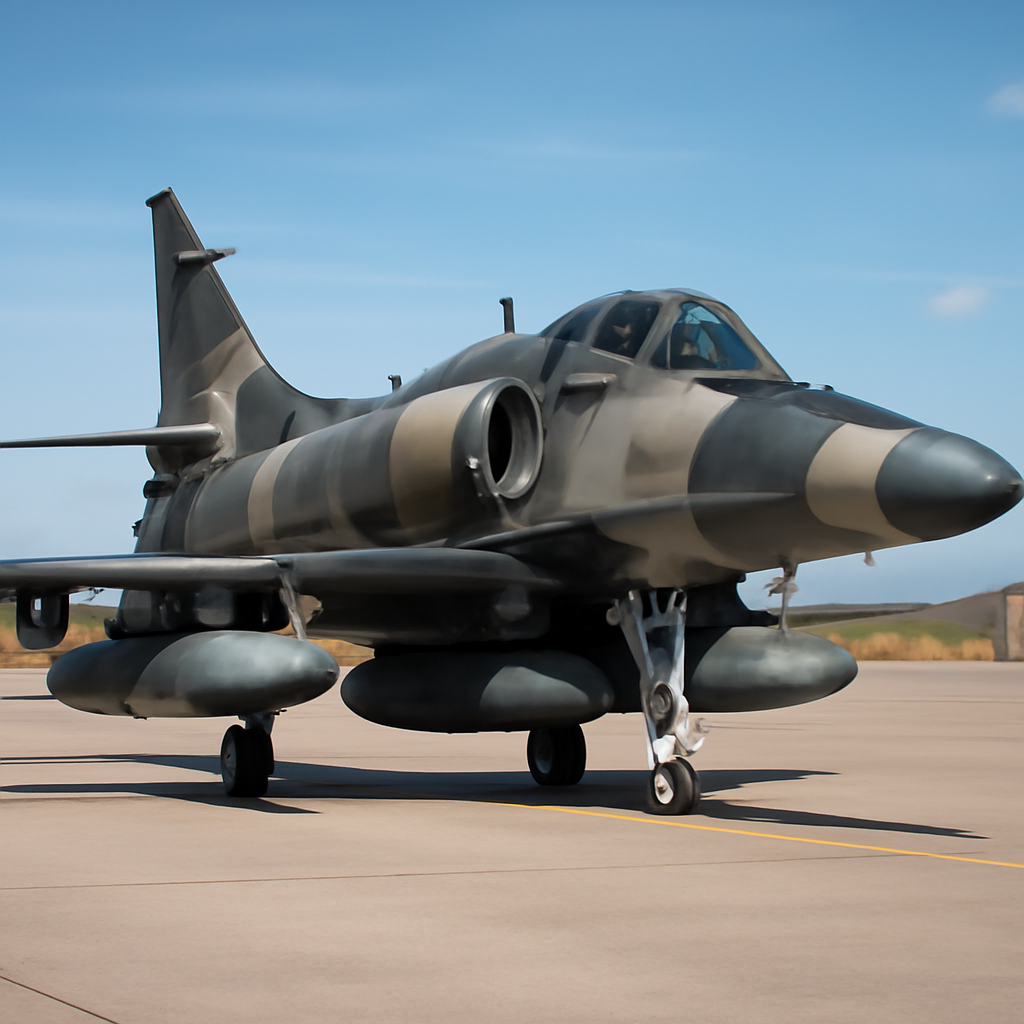
Denmark announced that it will acquire F-35 Joint Strike Missiles produced by Norway's Kongsberg and ground-launched Anthem cruise missiles manufactured by U.S. firm Covenant. The government characterized the purchases as a "significant step towards making Denmark better able to defend itself," according to the defence minister's statement.
The Danish government did not disclose costs or quantities for either procurement. Kongsberg said in a company statement that "negotiations with the customer" will determine the "scope and value" of the Joint Strike Missile package.
F-35 integration and the stealth trade-off
The announcement highlights Denmark's ongoing investment in the F-35A. The F-35A can carry the air-to-surface Joint Strike Missile internally to preserve the aircraft's stealth profile; Denmark is on track to operate a fleet of 43 F-35s after pledging to acquire an additional 16 units last year. The capacity to store weapons internally is a technical detail the government underscored in discussion of the missile choice.

The cyber insurance questionnaire just landed. Now what?
SOC 2, HIPAA, insurance renewals - someone has to own security strategy. Nubivance provides fractional CISO leadership without the full-time salary.
Get a security leadCovenant's Anthem: a recently unveiled deep-precision weapon
The Anthem is a new system: Covenant only unveiled the weapon "last month," and its co-founder and CEO, Michael Kaufman, described it in a company blog post as a "heavy-payload deep precision strike weapon system meant to fill the biggest gap in the arsenal of the West." Kaufman claimed Anthem "delivers multiples of the range and payload of anything in its price class" and said the firm had flown the weapon more than 200 times since its first flight in August 2025.
Domestic defence rationale and Moscow's response
At a press conference, Minister Bruus was asked whether a capability to strike inside Russian territory could make Denmark more of a target for Moscow. Citing "an increased threat … we must be able to respond," Bruus framed the acquisitions as a response to risk. Local outlet DR News reported that the Russian embassy characterized Denmark's political direction as "aimed at a possible conflict with Russia."
The announcement follows a warning from Denmark's intelligence service that Russia is expected to carry out hybrid attacks at a greater frequency against NATO member states in the near term and that there is a growing risk of a limited military attack.
What this means for Denmark's defence planners, NATO, and Russia
- Denmark's defence planners: They will need to finalize the "scope and value" of the Joint Strike Missile package through negotiations with Kongsberg and determine procurement quantities and funding, which have not been disclosed.
- NATO partners: The purchases are framed as contributing to "collective deterrence," a term the Danish government used; allies may monitor how the new ground-launched and air-launched capabilities integrate with alliance posture and planning.
- Russia and diplomatic interlocutors: The Russian embassy's comment and Denmark's intelligence assessment already place the decision in a diplomatic and security context in which Moscow has been warned in Denmark's public reporting to pose hybrid and limited military risks.
The facts released so far establish the types of weapons Denmark has chosen and the rationale the defence minister provided, while leaving cost, quantities and final contract terms to be worked out in negotiations. Kongsberg's statement that those negotiations "will determine the scope and value" highlights the immediate, concrete question left open by the announcement: how extensive will the acquisitions be, and on what timeline will they be fielded?