“Adversaries don’t need to breach our borders when they can log in past them.” — Jimmy McNary, Deputy Federal CTO at Semperis
Semperis’s Midnight in the War Room frames cyber as strategic warfare
The latest documentary from Semperis, Midnight in the War Room, argues that cybersecurity has moved beyond an IT problem into a matter of national strategy. The film’s trailer gathers leaders in cybersecurity, journalists, and former hackers to make a single, repeated point: the character of conflict is changing and digital intrusions now have real‑world consequences.
The article reporting on the film, originally published on Modern Integrated Warfare, summarizes that shift bluntly: where war once meant aircraft carriers and tanks, today a keystroke can deliver damage across transport, health, water, and energy systems.
Keystrokes, not artillery: the kinds of damage the trailer highlights
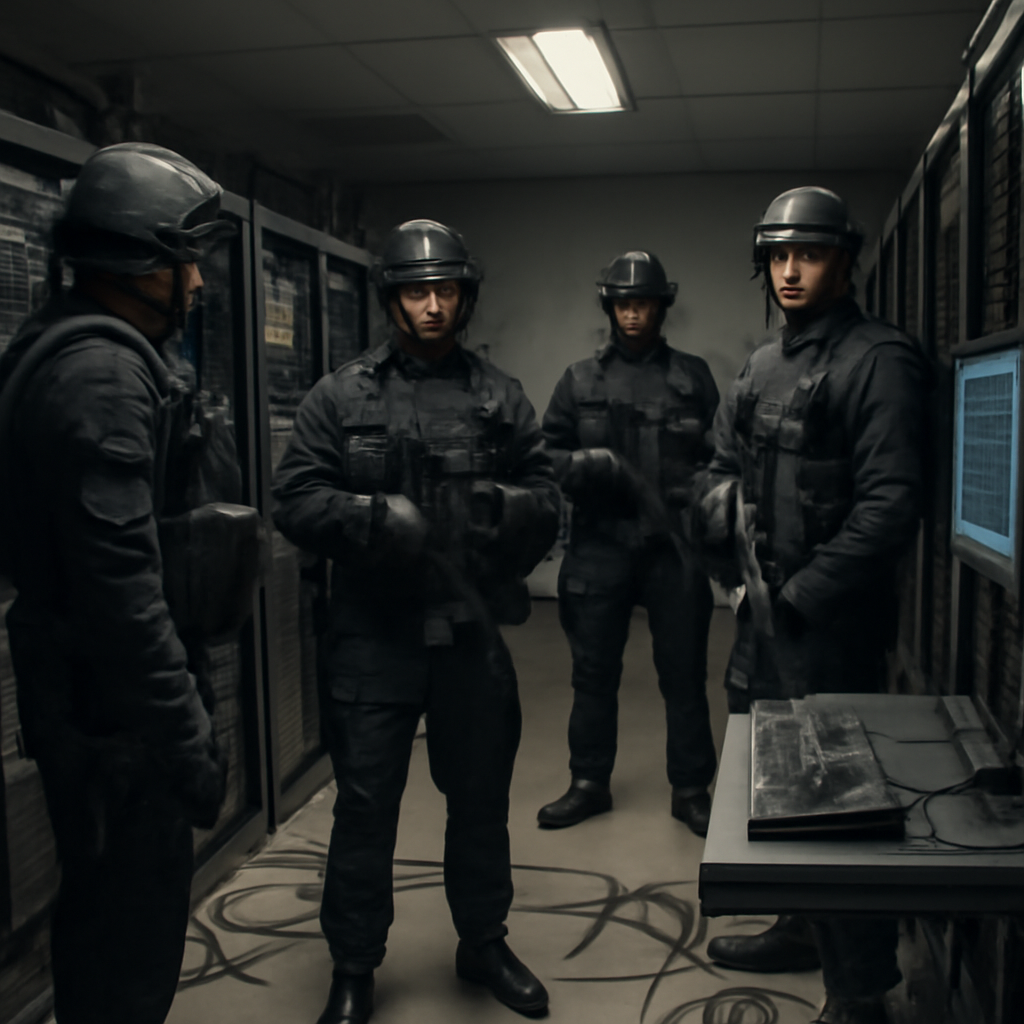
The trailer links cyber intrusions to physical breakdowns in daily life. It catalogues scenarios where “trains are derailed, hospitals are held captive, water systems are poisoned, and power grids go dark” — portraying cyberattacks as mechanisms that can transform digital access into physical harm. Marcus Hutchins, Principal Threat Researcher at Expel, reinforces the point: “Cyberattacks aren’t just taking computers offline. You can take out our food supply chains.”

Audit-ready is a season. It shouldn't be.
Evidence in spreadsheets, controls drifting between audits, frameworks multiplying on flat headcount. Nubivance runs continuous compliance on Rapid7 Cyber GRC - SOC 2, HIPAA, ISO 27001, PCI, CMMC.
End the scrambleRecruitment pipeline: teenagers, criminal groups, and nation‑state operations
The film traces a recruitment pipeline that begins with teenage hackers — some as young as 13 — who are brought into criminal and nation‑state operations. That progression blurs the line between lone‑wolf cybercrime and organized, state‑linked activity, according to the trailer’s narrative. The pattern presented is one of escalation: youthful technical talent folded into larger, more strategic campaigns.
“Commingled” actors and the strategy of staying below open war
One voice in the trailer describes an arrangement in which government and intelligence agencies are “commingled with criminal groups,” a configuration presented as intentional and strategic. The trailer frames this as a tactic to operate below the threshold of open war while still advancing political and operational objectives. The effect, as the documentary suggests, is a quiet but dangerous conflict that operates across networks and civilian infrastructure.
Identity as the new perimeter: contested agency networks
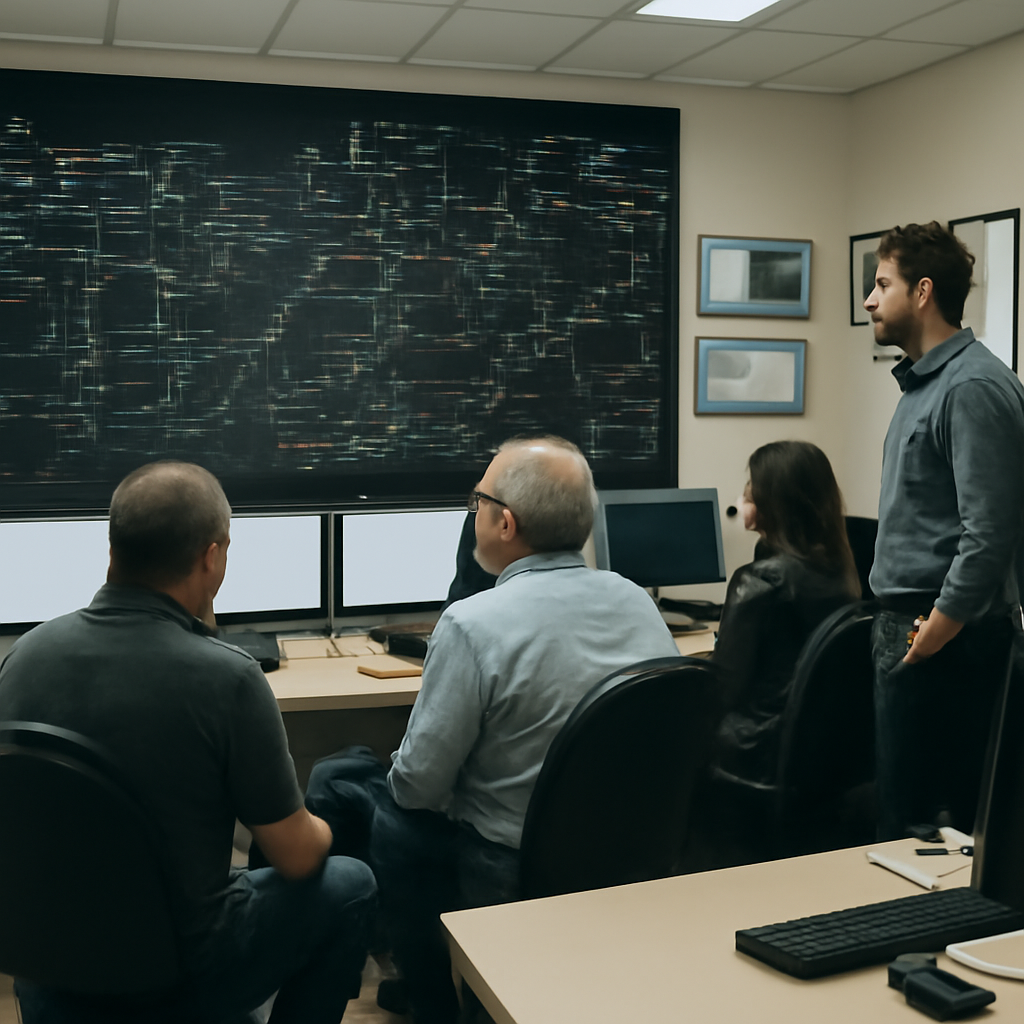
Jimmy McNary summarizes the defensive implication directly: “Identity is the new perimeter of national defense, and every agency network is now contested ground.” The trailer reframes access — not physical borders — as the central vulnerability. As critical infrastructure increasingly relies on connected devices, cloud systems, and AI‑driven technologies, the documentary warns, the attack surface expands and the stakes rise accordingly.
What this means for technologists and security teams, policymakers, and the public
- Technologists and security teams: Expect a narrative that places identity and access controls at the center of defensive planning — the trailer’s core claim is that logging in can substitute for crossing a border.
- Policymakers and regulators: The film frames cyber incidents as strategic acts with cross‑sector effects, pushing the concept that cybersecurity requires policy responses beyond traditional IT governance.
- End users and the general public: The documentary links everyday devices and services — from food supply chains to water and power systems — to national security, underscoring the potential for ordinary consumer‑level access points to be exploited in larger campaigns.
Midnight in the War Room asks a pointed question without a simple answer: as infrastructure becomes more connected, are institutions prepared for conflict that is fought through wires and credentials rather than on a conventional battlefield? Semperis will screen the film in Washington, DC on October 7; the trailer and the documentary’s framing are intended to sharpen the debate about whether strategy, policy, and operational defense are aligned with that reality.