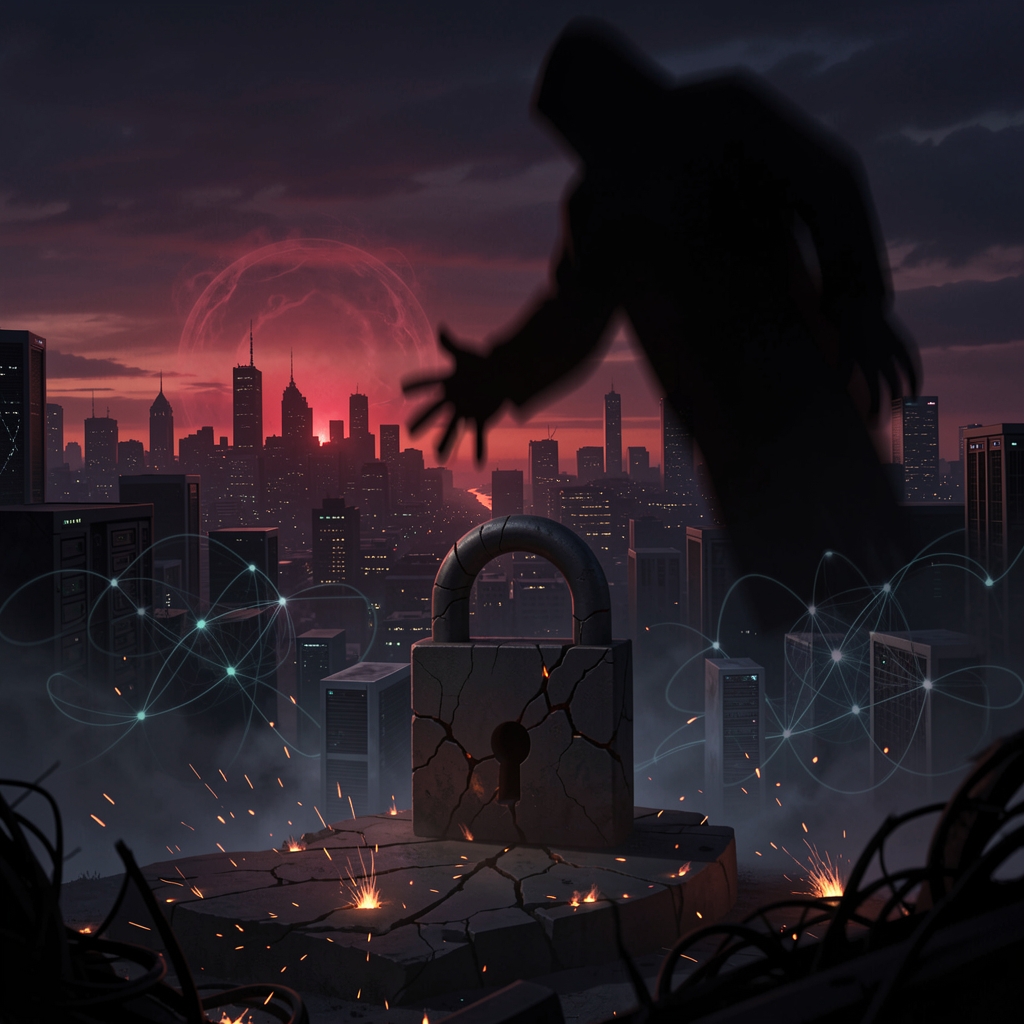
In the ever-evolving landscape of cybersecurity, the quiet weeks can often be more concerning than the loud ones. It's during these periods of relative calm that long-running operations finally make their way to courtrooms, old attack methods resurface in new guises, and research that was once theoretical becomes all too real. This week was a prime example, with a mix of persistence plays, legal wins, influence operations, and at least one development that, at first glance, seemed downright dull.
As the digital world continues to expand, the battlegrounds for both cybersecurity professionals and adversaries are becoming increasingly complex. The question on everyone's mind is: what's the next big threat, and how can we prepare for it? In the words of Bruce Schneier, a renowned security expert, "The real security problem is not the technology; it's the people and the processes." This statement has never been more relevant, as recent developments have shown.
One of the significant stories from this week involves the ongoing issue of telecom sleeper cells. These are essentially dormant malicious entities that lie in wait within telecommunications networks, only to be activated when the time is right. The concept is not new, but its persistence and adaptability make it a formidable foe. For technologists and policymakers alike, understanding and addressing these sleeper cells is crucial. They pose a significant risk to national security and individual privacy, making it a priority for law enforcement agencies and cybersecurity experts to stay one step ahead.
Another development that has been making waves is the phenomenon of LLM (Large Language Model) jailbreaks. LLMs, like those used in AI chatbots, have become incredibly sophisticated, but they are not without their vulnerabilities. Researchers have found ways to 'jailbreak' these models, essentially bypassing their intended limitations to elicit responses that are otherwise restricted. This has significant implications for users, as it raises questions about data privacy and the potential for misuse. As Dr. Roman Yampolskiy, a leading AI safety researcher, notes, "The goal is not to create a system that is merely secure, but one that is resilient in the face of an adversary."
In the realm of policy and regulation, tech giants like Apple are finding themselves at odds with governments over issues of privacy and security. Apple's recent move to implement age checks in the UK has sparked controversy, with some arguing it's an overstep into the realm of censorship and others seeing it as a necessary measure to protect children. This debate highlights the delicate balance that must be struck between security, privacy, and freedom of expression. As governments and tech companies navigate these complex issues, users are left to wonder what the future holds for online regulation.
Some of the key concerns and developments from this week include:
- Telecom sleeper cells continuing to pose a threat to network security
- LLM jailbreaks highlighting vulnerabilities in AI systems
- Apple's age checks in the UK sparking debate over privacy and censorship
- Persistence plays and legal wins in the cybersecurity space
- Influence operations continuing to evolve and adapt
As we reflect on these developments, it becomes clear that the cybersecurity landscape is more intricate than ever. The threats are evolving, the technologies are advancing, and the stakes are higher. The question is, what's next? Will we see a significant leap forward in defensive technologies, or will adversaries continue to outpace us? One thing is certain: staying vigilant and informed is more crucial than ever.
In conclusion, as we navigate the complex and ever-changing world of cybersecurity, it's essential to remain aware of the potential risks and threats. The quiet weeks, like this one, often hold within them the seeds of future storms. By understanding the current situation, analyzing why it matters, and considering different perspectives, we can better prepare for what's to come. The future of cybersecurity is uncertain, but one thing is clear: it's a field that will continue to shape our world in profound ways.
For more information on these and other cybersecurity topics, visit The Hacker News.



