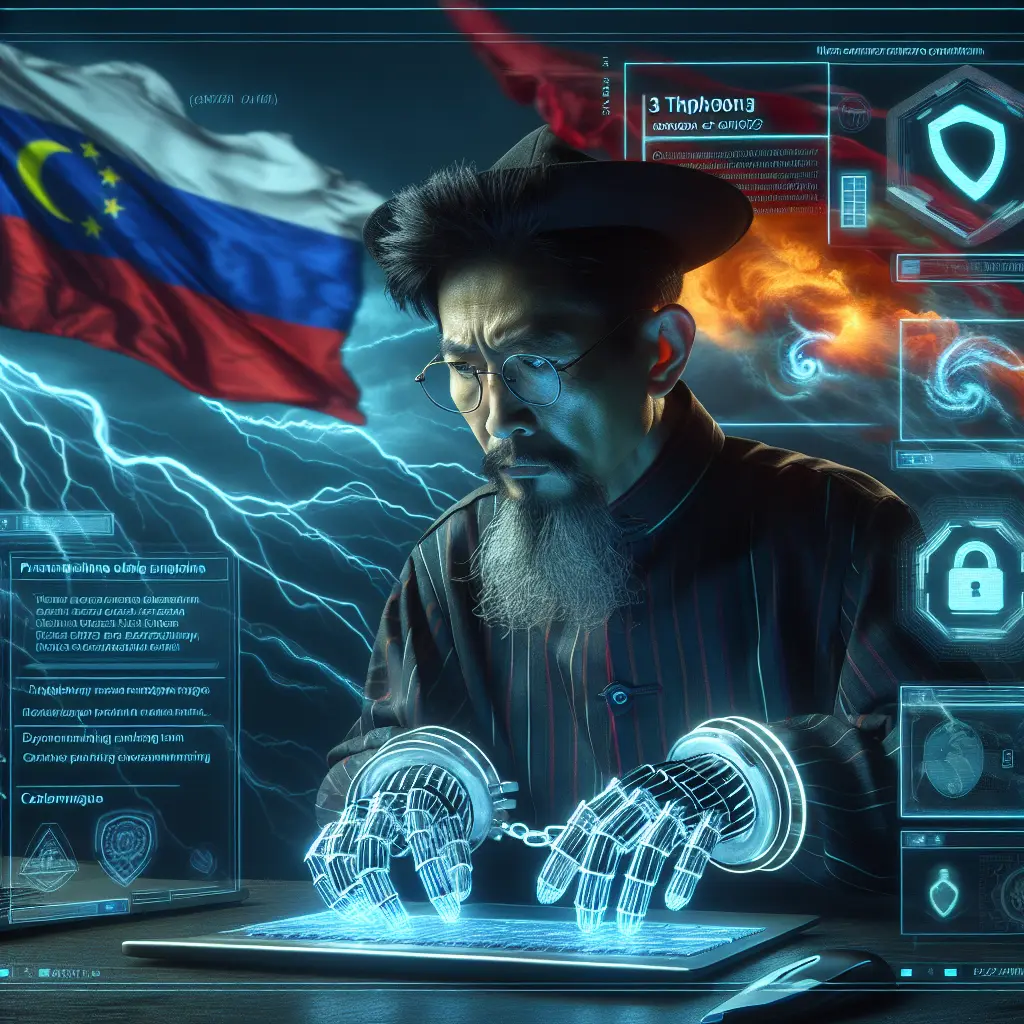
From Shadows to Spotlight: Arrest of Chinese Hacker Unveils Global Cyberespionage Threats
In a striking development, Italian authorities apprehended a Chinese national in Milan last week, suspected of having ties to Silk Typhoon, a notorious hacking group allegedly operating under the auspices of the Chinese government. As nations grapple with escalating cyber threats, this arrest raises pivotal questions about the dynamics of international cybersecurity and the ongoing battle against state-sponsored hacking efforts.
The Silk Typhoon group has been implicated in numerous cyberattacks targeting American entities, including government agencies and major corporations. This latest arrest not only underscores the vulnerabilities embedded within the digital frameworks of nations but also highlights an emerging front in global espionage—one that transcends traditional borders and governmental structures.
The origins of Silk Typhoon can be traced back to a broader context of state-sponsored cyber activities. Historically, countries have engaged in espionage for strategic advantage; however, the advent of technology has transformed these operations into sophisticated campaigns. The realm of cyber warfare is now characterized by rapid data theft, surveillance operations, and increasingly aggressive tactics aimed at undermining national security. The United States has designated various Chinese hacking groups as threats, with Silk Typhoon standing out for its targeting of sensitive industries, including defense and technology.
As news broke regarding the arrest in Italy, Italian authorities confirmed that the individual had been under surveillance for some time. Reports indicate that this suspect was allegedly involved in operations aimed at compromising critical infrastructure and stealing intellectual property from U.S. firms. According to Italian Minister of Justice Carlo Nordio, this operation demonstrates Italy’s commitment to fighting transnational crime and protecting its allies from external threats.
The stakes involved are considerable: cyberattacks have become an everyday reality in an increasingly interconnected world. The repercussions can range from significant financial losses to compromised national security. In particular, sectors that handle sensitive data—such as defense contractors or healthcare organizations—face heightened risks when targeted by sophisticated hacker collectives like Silk Typhoon. These incidents disrupt operations and erode public trust in both private enterprises and governmental bodies.
Experts emphasize that the implications extend far beyond individual incidents. Dr. James Lewis, a cybersecurity expert at the Center for Strategic and International Studies, noted that while arrests such as this one signal progress in law enforcement’s response to cybercrime, they also reflect an urgent need for stronger international cooperation against cyber threats. “The reality is that we are dealing with a landscape where borders mean little,” he said during a recent seminar on global cyber security challenges.
Looking forward, stakeholders must pay close attention to how nations will respond to this arrest—not just through law enforcement but via diplomatic channels as well. Increased scrutiny on cybersecurity practices is likely to follow; pressure may mount on governments worldwide to adopt more stringent regulations concerning data protection and international cooperation on cybercrime prevention.
Moreover, companies operating globally will need to reassess their cybersecurity strategies amidst rising tensions between state actors. The potential for retaliatory measures or escalation remains a distinct possibility; therefore, stakeholders should closely monitor any developments stemming from this incident or similar cases involving state-sponsored hacking.
The arrest of this alleged hacker provides a rare glimpse into the shadowy world of cyberespionage—a domain where anonymity shields aggressors who exploit modern technology for competitive gain. As we navigate these uncharted waters, one must ponder: how can we safeguard our digital futures while fostering an environment where information flows freely? The answer may lie not only in robust defenses but also in fostering international partnerships grounded in trust and transparency.



