




Threat Intelligence

Threat actor activity and indicators

Network router on a rack with multiple cables and surrounding equipment in a dimly lit server room.

Unit 42 Threat Intel Exposes Top Vectors for Initial Access Attacks

Cyber attackers are exploiting weaknesses in public-facing systems and using stolen credentials to gain a foothold, with a growing reliance on external edge exploitation and identity compromise. This alarming trend highlights the need for robust defenses to protect against initial access attacks.

Analyst 207
Foreign Actors Exploit AI Chatbots in U.S. Election Influence Campaigns

Foreign Actors Exploit AI Chatbots in U.S. Election Influence Campaigns

In a shocking display of election meddling, a network of hyperlocal websites sprouted up across 14 states, spreading influence and propaganda in a remarkably coordinated effort. These sites, registered in a matter of minutes, seemed designed to sound local but were actually part of a large-scale operation to sway US voters.

Analyst 207
A social media company's office building with a subtle global map in the background and employees walking in the foreground.

X Disrupts 13,000 Accounts Tied to Foreign Influence Ops Ahead of US Midterms

In a major move to safeguard the US midterm elections, X has proactively removed over 13,000 accounts linked to foreign influence operations from Iran, Russia, and China. These accounts were using fake identities to spread and amplify divisive political content targeting candidates and public figures.

Analyst 207

FBI, North Macedonia Authorities Crack Down on OLVX Cybercrime Ring Operator

The FBI and North Macedonian authorities have joined forces to take down a major cybercrime ring, charging a 20-year-old suspect with computer fraud, misuse of personal data, and producing and distributing child sexual abuse material. This crackdown comes after the OLVX platform was dismantled, safeguarding the digital security of thousands of American citizens.

Analyst 207
Law enforcement officers stand in a suburban Texas neighborhood with equipment cases nearby.

FBI Disrupts North Korean IT Worker Schemes, Arrests US Nationals

In a major crackdown, the FBI swooped in on a North Korean remote IT worker network in Texas, seizing nearly 187 laptops in a multi-day operation dubbed the "Lonestar Roundup." This bold move marks the beginning of a broader effort to dismantle the notorious Famous Chollima threat group's US infrastructure.

Analyst 207
Third-Party Risk Exposes Bank to Months-Long Cyberespionage Intrusion

Third-Party Risk Exposes Bank to Months-Long Cyberespionage Intrusion

A single misstep with a third-party vendor can have devastating consequences, as seen in a recent cyberespionage case where a European bank fell victim to a months-long intrusion through a poorly configured gateway. The attacker's sloppy tactics, including a noisy reconnaissance campaign, ultimately led to their discovery by Unit 42.

Analyst 207
Government setting with podium and windows, laptop screen blurred in foreground.

AI-Powered Bug Hunting Exposes New Cybersecurity Risks

The ShinyHunters group, behind a recent FBI breach, revealed their surprising motive: they weren't after cash, but aimed to protect their reputation from being tarnished. Meanwhile, the FBI continues to crack down on the group, making new arrests in their investigation.

Analyst 207
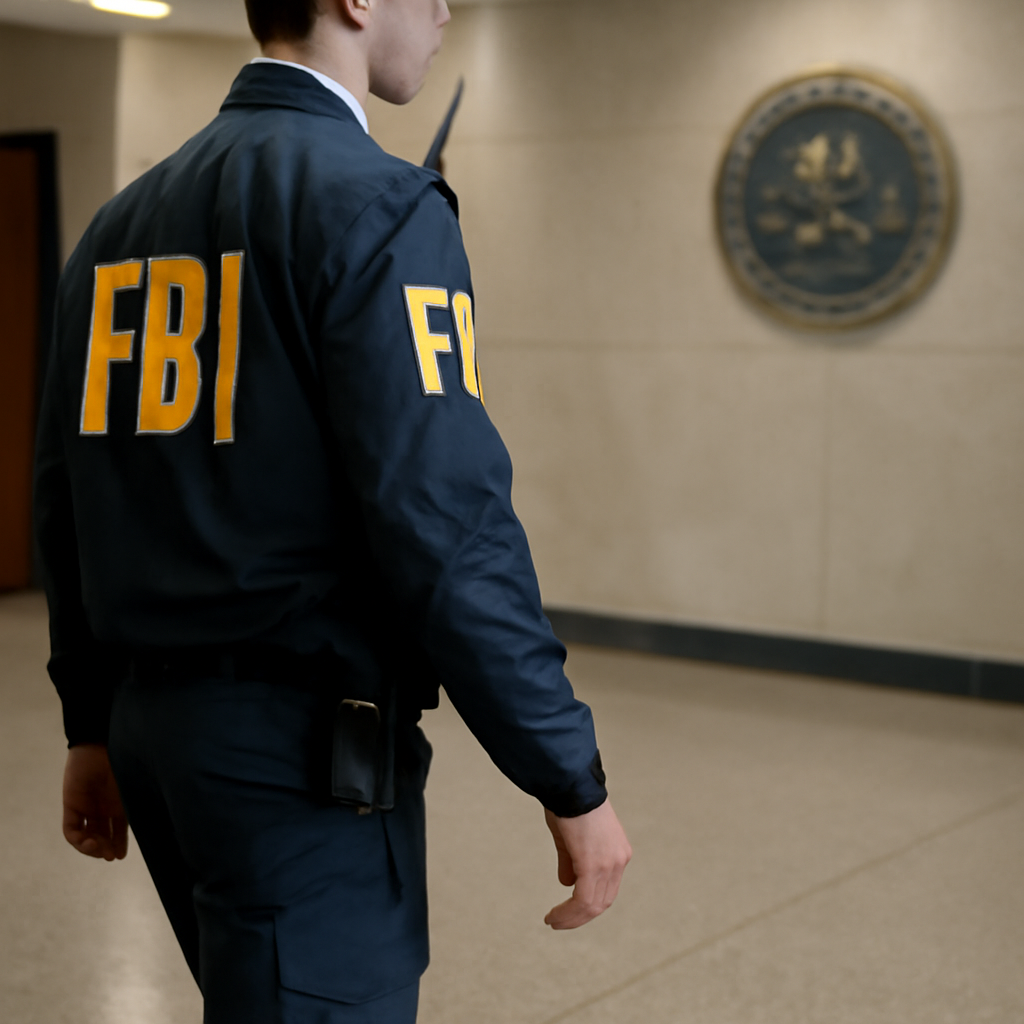
Law enforcement officer stands in formal setting near official plaque or seal.

FBI Arrests Suspect Tied to ShinyHunters Breach

The FBI has arrested Edward Dubrovsky, a 54-year-old Canadian cybersecurity executive, in connection with the ShinyHunters breach, charging him with conspiracy and interference with commerce by threats. Dubrovsky is suspected of being part of the group behind the recent FBIjobs.gov incident.

Analyst 207
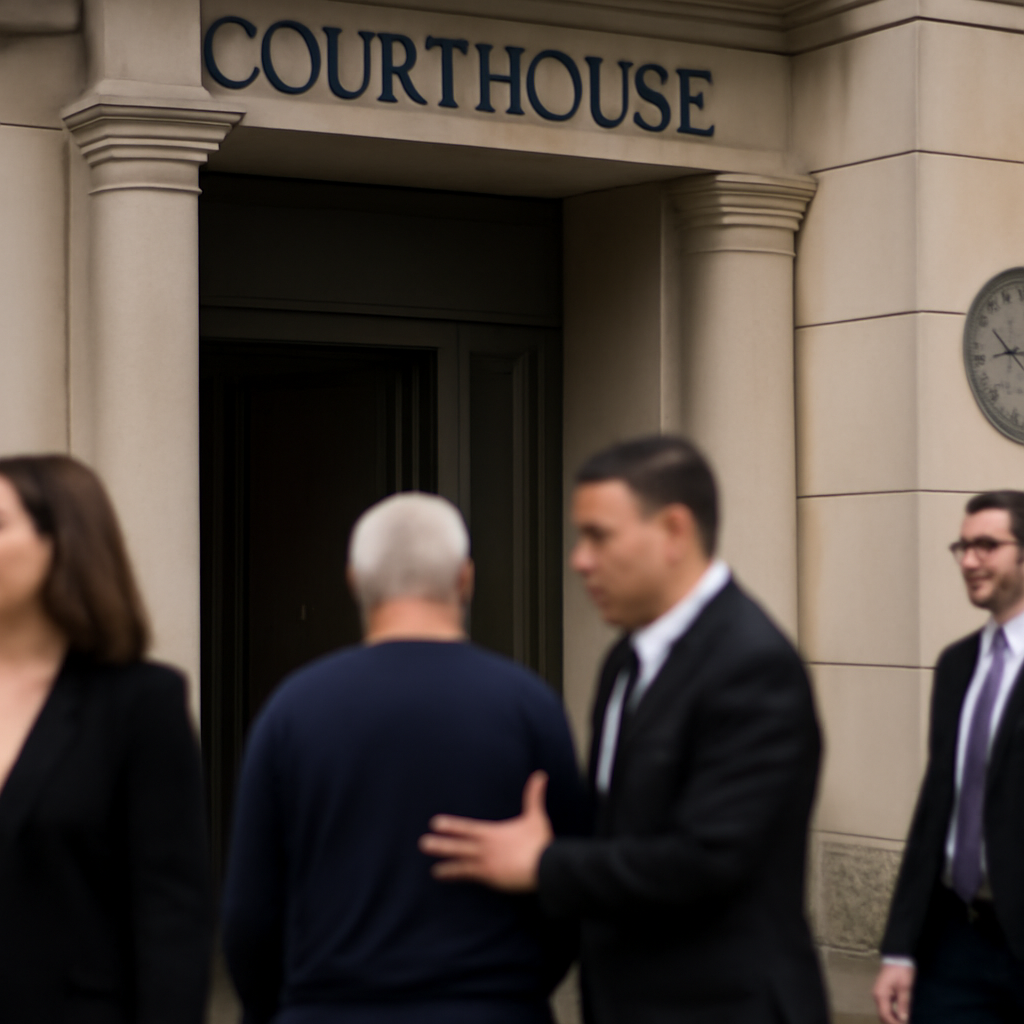
Federal courthouse exterior with people in professional attire walking in and out of frame.

FBI Arrests Cyber Exec Tied to ShinyHunters Hacking Group

In a stunning move, the FBI has arrested a Canadian cybersecurity executive with ties to the notorious ShinyHunters hacking group, taking another suspected co-conspirator off the streets. Edward Dubrovsky, 54, was taken into custody in Pennsylvania while attending a conference.

Analyst 207
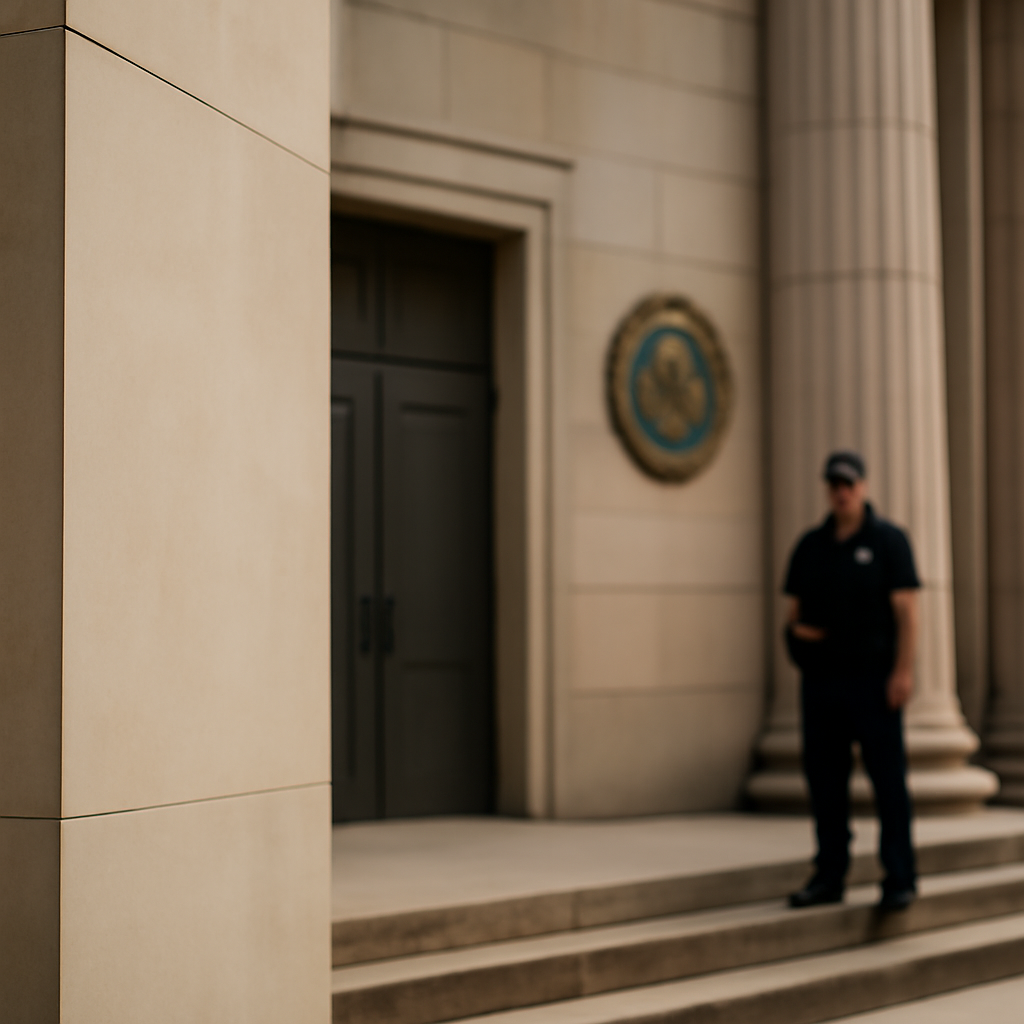
Courthouse exterior with blurred law enforcement officer in background.

FBI Disrupts ShinyHunters Network with Third Arrest

The FBI has made a significant breakthrough in disrupting the notorious ShinyHunters group with the arrest of another suspected co-conspirator, bringing them one step closer to justice. This latest apprehension follows a series of efforts by the bureau to crack down on the group behind the recent FBIjobs.gov incident.

Analyst 207
Law enforcement agent standing in front of a federal building with a badge and notebook.

FBI Disrupts ShinyHunters Extortion Group with Latest Arrest

The FBI has struck another blow against the notorious ShinyHunters extortion group with the arrest of a key suspect, bringing the group one step closer to being held accountable for their malicious actions. A Canadian citizen, considered a primary co-conspirator, was apprehended in Pennsylvania, although authorities have not yet disclosed the individual's name or specific charges.

Analyst 207
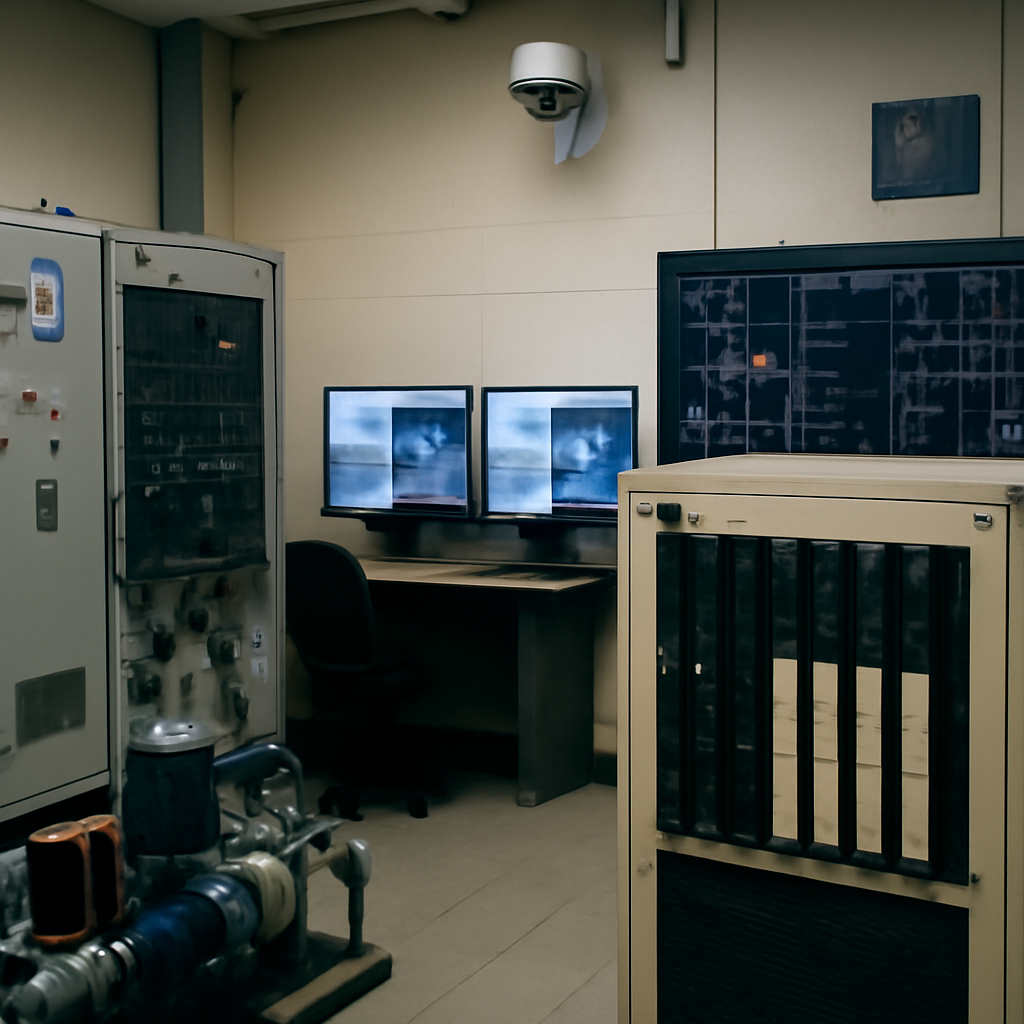
Control room with industrial controllers and equipment in neutral lighting.

CISA Warns of Flax Typhoon Exploiting Five Vulnerabilities

Chinese government-affiliated hackers, known as Flax Typhoon, are exploiting five newly identified vulnerabilities to gain a foothold in critical infrastructure networks, including operational technology systems, with the potential to disrupt essential functions at a later time. This has prompted CISA to add these flaws to its Known Exploited Vulnerabilities catalog, triggering a federal remediation requirement.

Analyst 207
Modern tech company HQ with blurred computer screens and subtle global network hints in background.

UK Warns of China's Integrity Tech Cyber Threat Tactics

China's Integrity Tech is raising red flags with its shady cyber activities, including building and selling malicious tools, hosting infrastructure, and compromising global networks. This tech group's ties to Beijing-backed cyber threats like Flax Typhoon have prompted a joint warning from the US, UK, and allied countries.

Analyst 207
Rows of computer equipment racks and servers in a generic server room or network operations center.

FBI Disrupts Flax Typhoon Tools Used in US Critical Infrastructure Intrusions

The FBI and Department of Justice have struck a major blow against a China-linked hacking group, seizing seven domains and blocking access to malicious tools used to infiltrate US and foreign critical infrastructure. This disruption targets Flax Typhoon, a notorious threat actor known for its widespread vulnerability scanning and intrusions.

Analyst 207
A journalist's workspace with laptop and papers on a desk, overlooking a bustling Latin American cityscape.

OpenAI Disrupts Russian, Iranian AI Influence Ops Targeting Western Media

OpenAI just took down a massive AI influence operation that was spreading disinformation across Latin America, targeting Ukraine's reputation and fuelling heated debates in Argentina and Bolivia. The network, dubbed Dark Clark, was using a fake journalist persona and think tank to seed false narratives into mainstream reporting.

Analyst 207
Federal law enforcement office with tech and cybersecurity elements, blurred computer equipment in foreground.

US Seizes Flax Typhoon Hacking Tools in Cyber Crackdown

In a major cyber crackdown, the US has seized hacking tools linked to the notorious Flax Typhoon group, dealing a significant blow to Chinese government-backed cyber threat actors. The seized tools, Microscan and FishHub, were used to steal sensitive data from organizations worldwide, including US critical infrastructure sectors.

Analyst 207
Law enforcement agent examines computer screen with network diagram and globe in background.

FBI Seizes Chinese Hacking Tools Used to Breach Critical Infrastructure

The FBI has struck a major blow against Chinese hackers, seizing seven domains used by a China-linked group to operate hacking platforms that targeted critical US and foreign infrastructure. This takedown, led by the FBI's Cyber Division, disrupted the operations of Integrity Technology Group, a China-based firm allegedly contracted by the Chinese government.

Analyst 207
Rewards for Justice poster on podium in government briefing room with agency seals and daylight.

US Offers $10 Million Bounty for HAFNIUM Hacking Suspect

The US government is putting out a $10 million reward for information that leads to the identification or capture of Zhang Yu, a Chinese national accused of being involved in the notorious 2021 Microsoft Exchange Server attacks as part of the HAFNIUM hacking group. This move sends a strong message to others who help hide China's cyber operations: they could be next.

Analyst 207
Critical infrastructure facility with dimly lit interior and subtle signs of neglect or unease.

Iranian State-Backed Actor Targets Iraqi Infrastructure

In a chilling move, Iranian state-backed hackers launched a stealthy campaign, dubbed Blinder Tunnel, that infiltrated Iraqi critical infrastructure by tricking developers into opening a booby-trapped Visual Studio project file. This cunning attack unfolded in three swift steps, allowing the hackers to execute malicious code without triggering a compile or user-run binary.

Analyst 207
Law enforcement officers escort handcuffed individuals in a formal government setting.

FBI Arrests Multiple Suspects Linked to ShinyHunters Hack

The FBI has scored a major win in the fight against cybercrime, arresting multiple suspects linked to the notorious ShinyHunters hack, and vowing to leave no stone unturned in bringing all responsible individuals to justice. The operation is ongoing, with the bureau working closely with law enforcement partners to crack down on the group.

Analyst 207
Municipal water treatment plant with industrial controls and operator at panel.

US Water Systems Face Growing Cyber Threats

US water systems are under siege by cyber threats from hostile nations like China, Russia, Iran, and North Korea, as well as ransomware groups, putting our critical infrastructure at risk of a nationwide public-health crisis. This summer's alarming attacks on water systems in 12 states by Iranian hackers exposed the vulnerability of our water infrastructure to foreign adversaries.

Analyst 207
A cluttered office desk with laptop and papers, chair pushed back as if someone just left.

China-Aligned TA419 Exploits Microsoft AitM in AI Policy Phishing Campaigns

Meet TA419, a China-aligned group with a keen interest in U.S. AI policy, targeting experts at think tanks, universities, and law firms with clever phishing scams. Their tactics include impersonating prominent economists, policymakers, and even an Anthropic employee to get the intel they want.

Analyst 207
A laptop screen glows on a minimalist table in a bright, empty tech research facility.

AI Gives Threat Actors Edge in Cyberwar

The AI-powered advantage is currently in the hands of threat actors, and defenders must act swiftly to close the gap before it's too late. Microsoft warns that AI-driven vulnerability research is outpacing the ability to patch flaws, creating a pressing need for defenders to catch up.

Analyst 207
Control room with large screen monitors displaying critical infrastructure systems.

Cyber Threats Explosively Target Critical Infrastructure

In today's digital age, cyber threats have become a pressing national security concern, with adversaries able to bypass traditional borders and wreak havoc with just a few keystrokes. The lines between cybersecurity and strategic warfare have blurred, making it imperative to treat digital threats as a matter of national strategy.

Analyst 207