[SPONSOREDNUBIVANCE]
Know a small business winging it on security?
No IT department, no security budget, real exposure. Nubivance builds right-sized security foundations for small companies. Send them this.
Send it along
When a cyber breach hits, the decisions made in the first few days can have a lasting impact, setting the stage for years of consequences - and it's not just about fixing the tech, but also about the legal and communication choices that are made early on. In fact, a single incident can generate a ripple effect of legal, regulatory, and reputational consequences that persist for years.

Being incident response ready means more than just having a plan - it requires immediate visibility into identity and authentication access, including investigator-level read access to crucial systems. Without this visibility, teams are left making blind containment decisions and piecing together timelines with guesswork.

A growing concern for CISOs is the widening skills gap in their cybersecurity teams, with 60% citing a lack of skilled staff as a bigger challenge than filling vacant positions. The right people with the right skills are proving harder to find than more bodies to fill open roles.
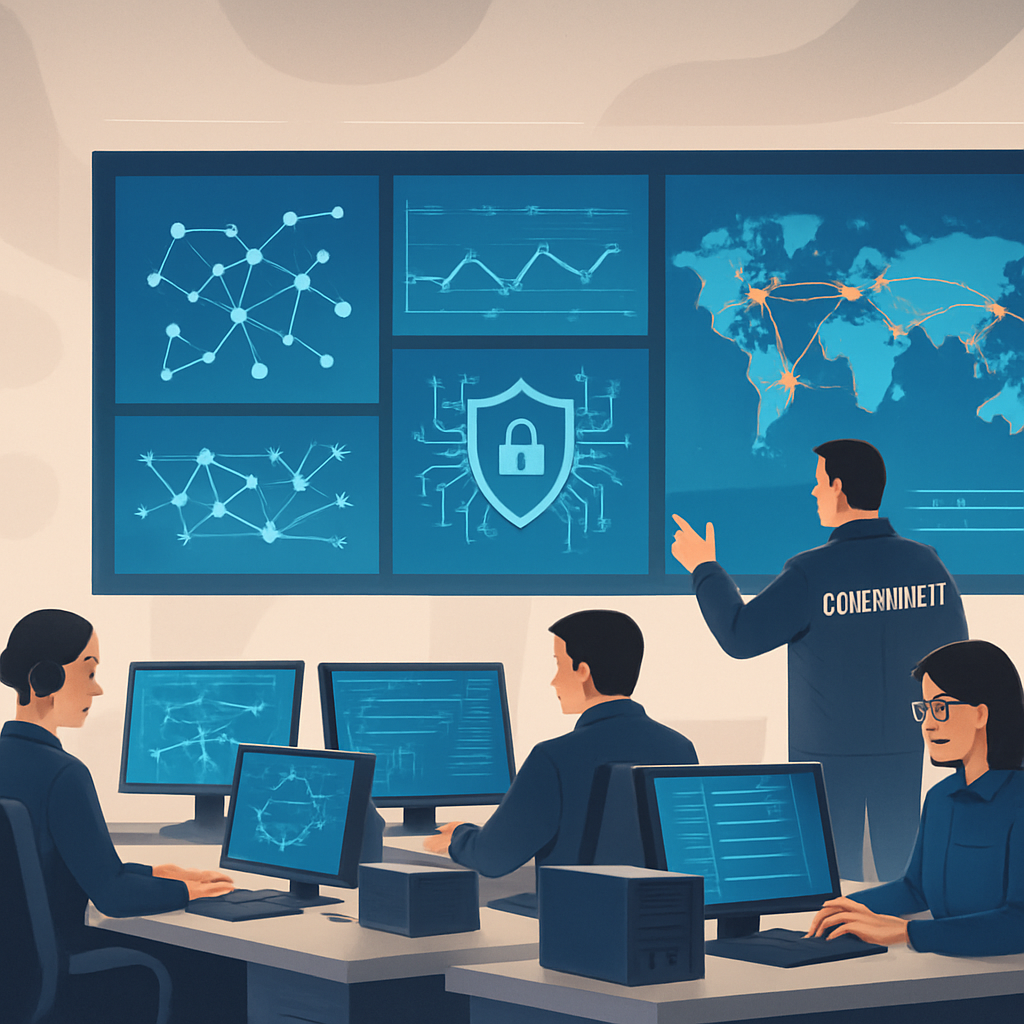
OpenAI is stepping up its game to protect government agencies from cyber threats by expanding its Trusted Access for Cyber program to federal, state, and local defenders. This move aims to bolster cyber defenses and keep sensitive information safe.

The stakes are high: with the average breach costing nearly $4.9 million, organizations can no longer afford to focus solely on detecting intrusions - they must also prioritize swift and reliable recovery to restore operations, data, and trust. Speed and assurance of restoration have become just as crucial as early detection in incident response.

A shocking case reveals a glaring weakness in ransomware incident response: organizations often put blind trust in single negotiators, leaving them vulnerable to exploitation by attackers. This human error, not a technical bug, can turn a trusted role into a gateway for cybercriminals.

State CISOs are losing faith in their ability to protect sensitive data, with confidence plummeting to just 22% - a drastic drop from 48% in 2022 - as AI-driven threats intensify. This sharp decline in confidence extends beyond state governments, with 63% of CISOs also doubting the ability of local governments and public higher education institutions to safeguard public data.

The National Cyber Security Centre is warning that common security operations center metrics are fundamentally flawed, and that the only metric that truly matters is whether attacks are detected and responded to in a timely manner. By focusing on easily quantifiable but misleading metrics, organizations may inadvertently be encouraging their teams to prioritize speed over substance.
No IT department, no security budget, real exposure. Nubivance builds right-sized security foundations for small companies. Send them this.
Send it along
State, local, tribal, and territorial organizations, along with their schools, are facing a perfect storm of rising cyber threats, limited staff, and tight budgets - making it tough to stay ahead of attacks. Managed Detection and Response can help bridge the gaps in their cyber defenses, providing the support and visibility needed to respond quickly and effectively.

When a breach occurs, the clock is ticking - and the cost of delayed response can be crippling, with every hour of inaction threatening data exfiltration, service disruption, regulatory exposure, and brand damage. A smart SOC design can be the difference between a swift response and a devastating fallout.

Four European tech firms have teamed up to offer a game-changing solution: a fully sovereign disaster recovery pack that lets businesses safeguard their critical technology from external threats, giving them peace of mind in an uncertain world. This innovative stack is designed to sit on corporate premises, shielding users from potential disruptions and ensuring business continuity.

Despite the promise of AI-powered SOCs to revolutionize security operations, many teams are still drowning in work, with automation tools mainly speeding up triage rather than reducing their actual workload. The result? Faster summaries, not fewer tasks, leaving analysts to wonder if AI is truly a solution or just a speed boost.

With fewer than four in ten cybersecurity professionals planning to stay in their current roles, chief information security officers face a pressing dilemma: how to retain top talent in an industry plagued by declining job satisfaction. A recent IANS report reveals a stark reality, with only 34% of cybersecurity pros intending to remain in their positions over the next 12 months.

As cyber threats escalate, state, local, tribal, and territorial governments and education institutions face a pressing challenge: defending against increasingly sophisticated attacks with limited personnel and budgets. Managed Detection Response (MDR) offers a vital lifeline, bolstering cyber defenses without adding headcount or complexity.

In today's high-stakes cybersecurity landscape, it's not a question of if you'll be breached, but when - making swift and effective incident response a critical priority. NIST guidance provides a vital framework for responding to cyber incidents quickly and minimizing damage.

Imagine your keys disappearing when you need them most — that’s the reality for most organizations, since only 24% test identity disaster recovery semiannually. Untested recovery plans turn breaches into long outages that disrupt schools, hospitals and cities, so rehearsing restores systems and public trust.
Full-platform Rapid7 rollouts - InsightVM, InsightIDR, event sources, agents, tuning - by a Registered Partner who has done it at state-agency scale, including OT/SCADA.
Talk deployment
Think a breach is fixed in hours? Absolute Security finds many organizations face a costly, disruptive two-week recovery after endpoint attacks — from discovery and containment to forensic rebuilds, lost productivity and lingering reputational damage.

Think a domain seizure ends the story? On its 16th anniversary, KrebsOnSecurity shows takedowns are just windows of opportunity — exposing the backups, mirror sites and credential mega-collections that let cybercrime regroup, and pushing for the sustained, intelligence-driven work that follows.

When a vendor told them to delete everything and start again, the in-house team ignored the help‑desk script and dug deeper—finding misconfigurations and corrupted components they could repair to restore service and preserve months of data and know‑how.

A routine help desk script error prompted a technician to recommend “delete everything and start over”—until a reader unearthed an exclusive, effortless fix that dodged hours of downtime. It’s proof that a little ingenuity beats the dreaded wipe-and-repeat every time.

The University of Pennsylvania breach — an Oct. 31 email hack quickly followed by a second, distinct attack — is a wake-up call for campus cybersecurity: can institutions really absorb another strike? With student data, research and daily operations at stake, resilience and rapid response are now non-negotiable.

The confirmed Logitech breach is a wake‑up call for anyone with vendor integrations. Security leaders recommend treating third‑party access as an attack vector — audit entitlements, tighten tokens and OAuth scopes, and boost detection to stop downstream damage.

A Gainsight cyber attack has critically hit Salesforce—here’s what happened and the immediate steps you need to protect your data and your org.

Security teams say theyre ready to respond, but an Immersive report finds resilience and decision‑making flatlining — defenders are chasing noisy alerts instead of preventing attacks. That complacency is raising systemic risk to critical services and driving costs up, so urgent strategic change is needed.