[SPONSOREDNUBIVANCE]
Rapid7 deployed right the first time.
Full-platform Rapid7 rollouts - InsightVM, InsightIDR, event sources, agents, tuning - by a Registered Partner who has done it at state-agency scale, including OT/SCADA.
Talk deployment
A federal judge has once again blocked President Trump's executive order on mail-in voting, reaffirming that the executive branch has no authority to regulate elections. Judge Indira Talwani issued a second injunction, providing clarity for the millions of citizens who rely on mail voting ahead of the midterms.

Australia is being urged to join the Defence Security Bank, a proposed multilateral lender that will boost allied defence capabilities by mobilising private finance for defence manufacturers and their suppliers. By backing the bank, Australia can help strengthen its own defence industry and play a key role in supporting global security.

The UN's quiet absence from major diplomatic crises has become the new norm, leaving a void that's being filled by unexpected regional players like Oman, Qatar, Turkey, and Pakistan, who are stepping up to mediate global conflicts. They're proving to be surprisingly effective, with Oman acting as a trusted backchannel between the US and Iran, and Qatar brokering high-stakes talks between the US and the Taliban.

The US military's Golden Dome program is staring down a funding crisis, with development potentially grinding to a halt as early as October if Congress doesn't step in with extra cash. Without swift action from lawmakers, the program's future is uncertain.

The government's sudden halt of a voting system security review has left experts stunned, with the CEO of Mojave Research, Jason Wareham, calling it one of the worst decisions of his life. The six-week federal engagement, which had grown to involve around 60 people, was abruptly shut down just as the team was set to press forward.

In 1978, Deng Xiaoping's groundbreaking "reform and opening" of China's economy sparked hopes for gradual political liberalization, but Minxin Pei argues that Deng's true intention was to preserve the Communist Party's grip on power, not pave the way for democracy.

Congress is reworking the FY27 defense budget, taking a cautious approach by endorsing a $1.1 trillion topline while rejecting the administration's request to funnel $350 billion through reconciliation, a move Senator Susan Collins warned posed a "terrible risk". This pivotal decision comes as lawmakers navigate the complexities of defense funding with the fiscal year just around the corner.

The Mecca Joint Defense Agreement marks a significant shift in regional dynamics, as Pakistan, Saudi Arabia, and Türkiye unite under a collective-defense clause that could redefine the rules of engagement in West Asia. This bold move challenges US influence, signaling that traditional power players are no longer the only game in town.
Full-platform Rapid7 rollouts - InsightVM, InsightIDR, event sources, agents, tuning - by a Registered Partner who has done it at state-agency scale, including OT/SCADA.
Talk deployment
The US Air Force's secure network is hindered by sluggish procurement timelines, with the Government Accountability Office finding that major federal acquisitions can take years to complete, stifling efforts to modernize connectivity and keep pace with rapidly evolving technologies and mission demands. It's a contracting conundrum that's causing friction, with one expert noting that the speed of acquisition simply isn't keeping up with mission requirements.

The US Treasury Department has cracked down on crypto sanctions, targeting Shelbit, a shadowy crypto conduit, and its founder Siavash Kayvanpour in a $6bn blow to Iran's financial apparatus. This move underscores the Treasury's determination to disrupt Tehran's reliance on digital assets and secret banking networks.

In a historic move, Pakistan, Saudi Arabia, and Türkiye have joined forces to sign a groundbreaking trilateral defence pact, committing to mutual defence in the face of armed attacks. The Makkah Joint Defence Agreement marks a major milestone in regional cooperation, with leaders hailing it as a shield of peace for generations to come.
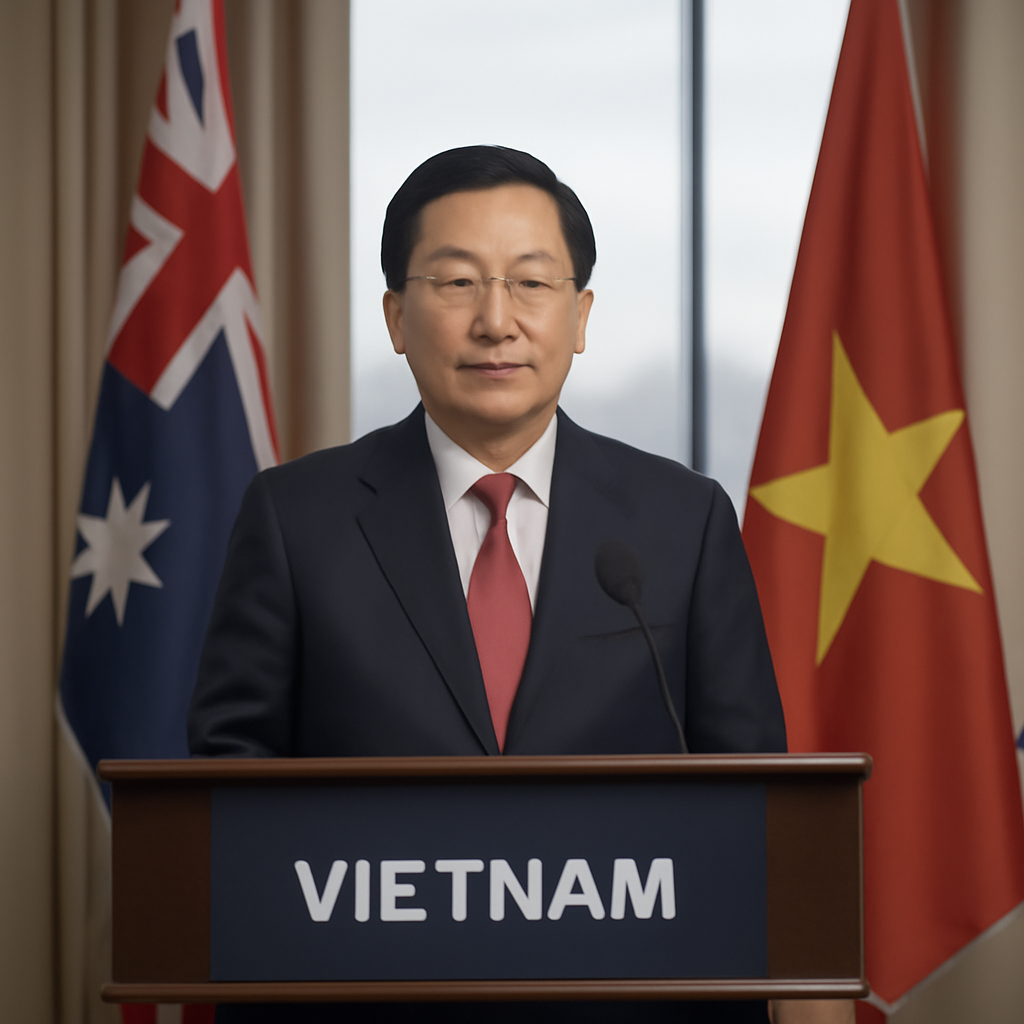
Vietnam's top leader, To Lam, is in Australia for a strategic state visit, seeking to supercharge his nation's growth by diversifying partnerships and unlocking new opportunities for trade and investment. He's on a mission to turn friendly ties into tangible benefits, leveraging Australia's strengths to fuel Vietnam's economic transformation.
The Senate has just approved a stopgap funding bill, passing it with a strong bipartisan vote of 90-6-1 to keep federal agencies funded until December 11. This temporary measure averts an immediate shutdown risk, but sets a new deadline for September showdowns.
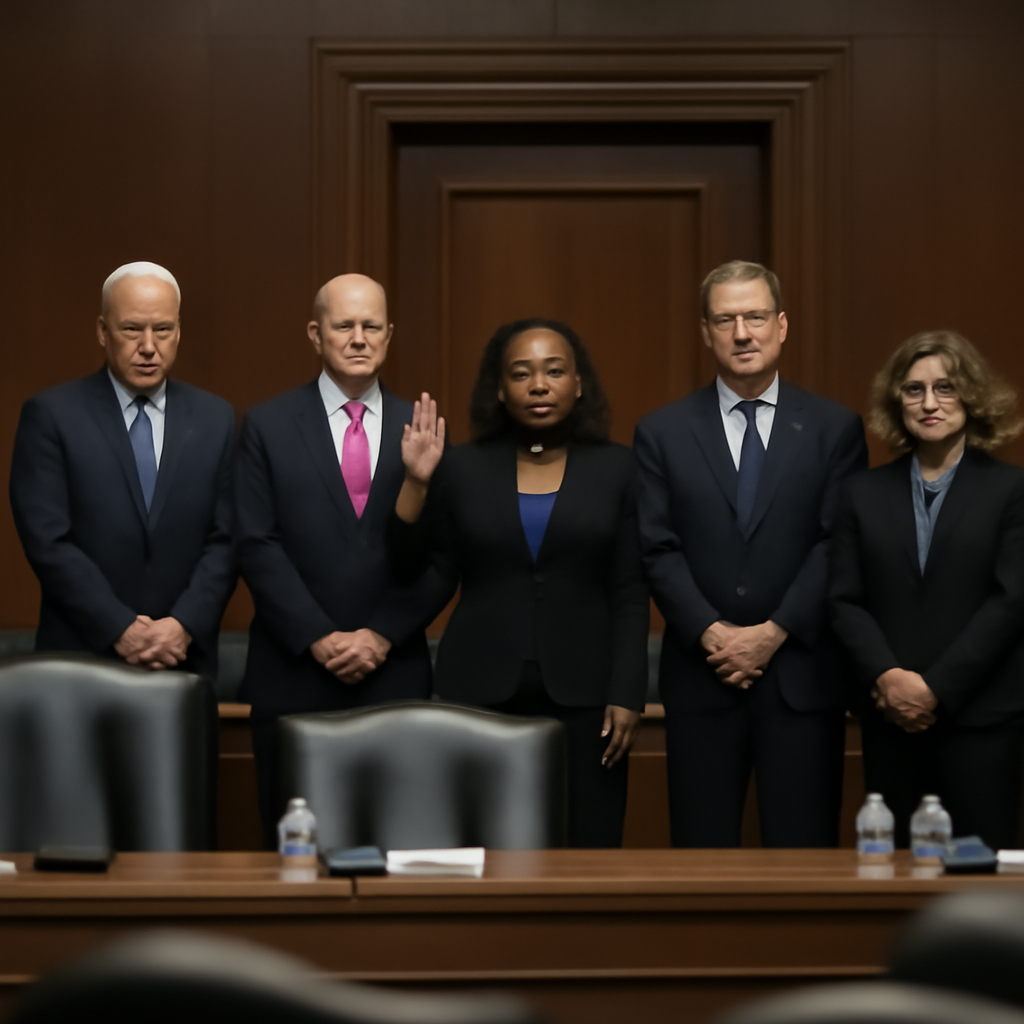
The Senate has finally confirmed key leaders for the Pentagon, Space Force, and National Reconnaissance Office, including Jules "Jay" Hurst as Pentagon comptroller, ending an 18-month wait and setting the stage for critical budget decisions. With a narrow 51-47 vote, Hurst and 74 other nominees, including Erich Hernandez-Baquero and Roger Mason, are now cleared to take on their new roles.

Investors are sounding the alarm over a new ICE contract with Thomson Reuters Special Services, which for the first time includes voter fraud investigations, and are demanding clarity on the agreement. The contract aims to provide ICE with easy access to credit card records to tackle voter fraud, immigration fraud, and national security threats.
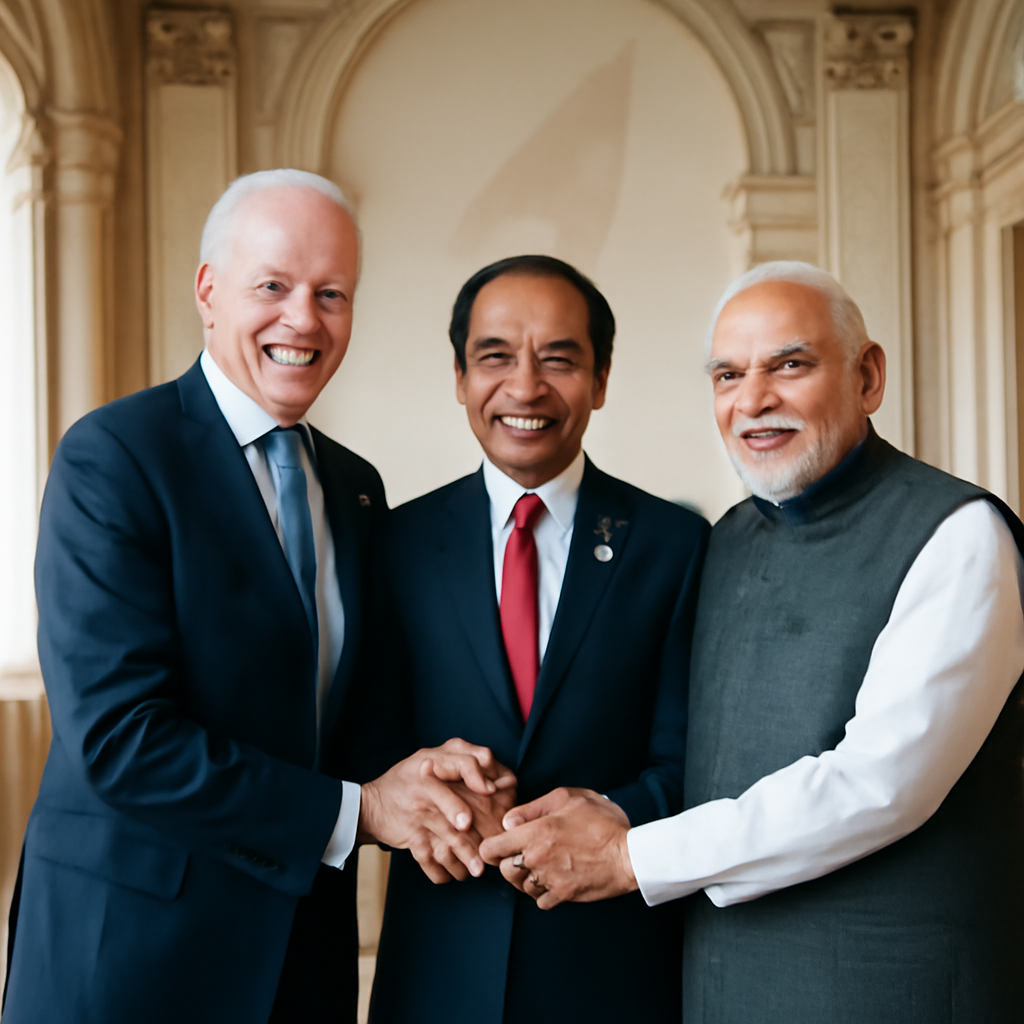
In a powerful show of unity, Saudi Arabia, Turkey, and Pakistan have signed a groundbreaking joint defense pact, promising to stand together against any act of aggression. This historic agreement cements the trio's commitment to collective defense and cooperation, driven by their deep-rooted ties and shared strategic interests.
No IT department, no security budget, real exposure. Nubivance builds right-sized security foundations for small companies. Send them this.
Send it along
Australia's outdated space laws are in desperate need of an overhaul to attract much-needed investment and support the country's burgeoning commercial space sector. The current licensing and permitting regime is too narrow, leaving a gaping hole in the legal framework that's deterring businesses and stifling growth.

The military's bold move to replace program executives with Portfolio Acquisition Executives is shaking up the defense procurement process, empowering leaders to focus on delivering results rather than just checking boxes. With this shift, the stage is set for a cultural transformation that prioritizes outcomes over compliance.

In Pakistan's defence sector, a glaring loophole leaves local vendors walking a tightrope: admitting their solutions have been tested could land them in legal trouble, while denying it means disqualification. The Defence Industrial Production and Regulatory Authority Ordinance, established in 2026, grants sweeping regulatory powers, but crucial procedures remain unclear.

US lawmakers are pushing for better coordination in scam-fighting efforts, calling for a unified leader to tackle the issue with the urgency of a combat operation. Currently, there's no single entity in charge across agencies, leaving scam networks to easily relocate and evade enforcement.
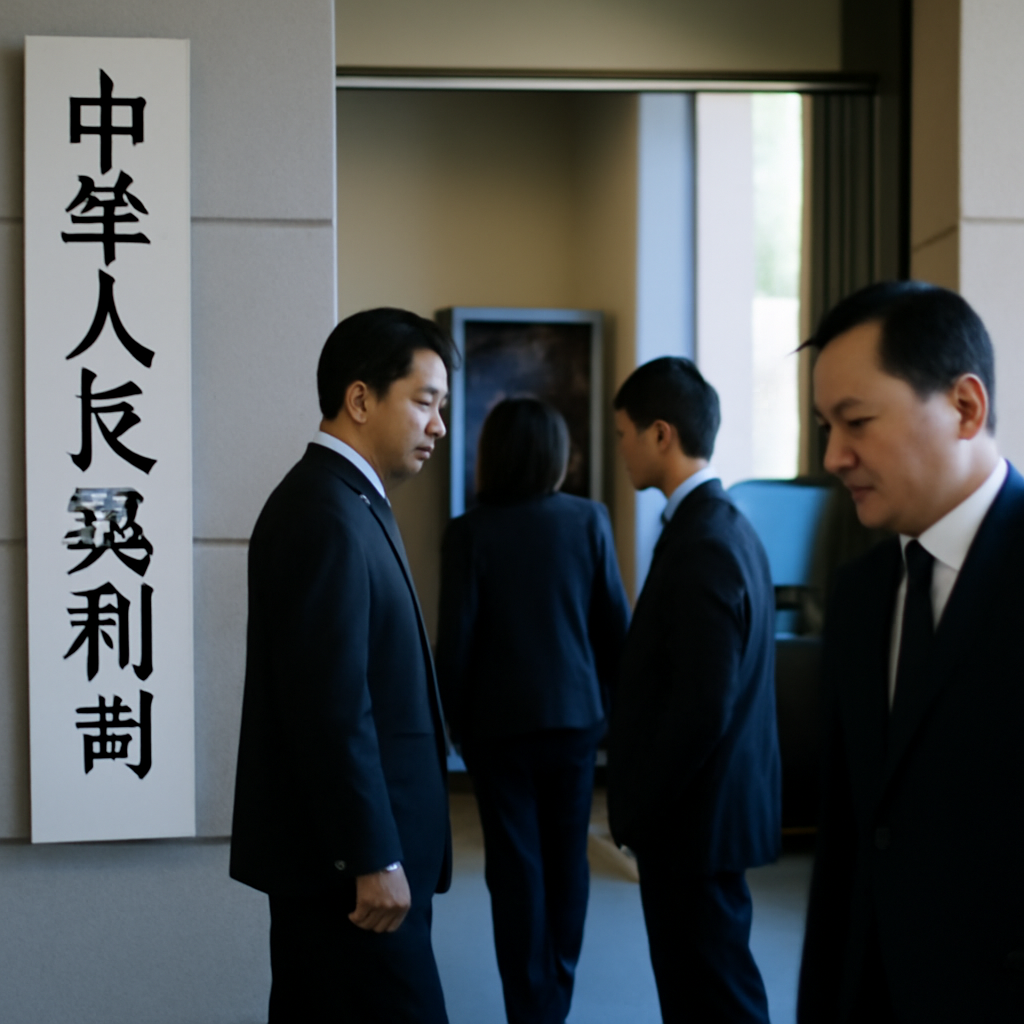
China is investigating the security of Palo Alto Networks' products, sparking a mysterious probe that's left many questions unanswered. The inquiry, reported by The Register, puts the spotlight on Palo Alto Networks and its offerings.

Despite a recent Government Accountability Office report revealing that over 200 people worked for Trump's Department of Government Efficiency, investigators are still in the dark on basic oversight questions due to a lack of cooperation from numerous agencies. Many records remain unprovided, leaving crucial details about employee ethics trainings and financial disclosures unknown.

The US is under attack, with recent breaches hitting community water systems in Minnesota and Iran-backed threats targeting critical infrastructure, prompting Sen. Tom Cotton to urge the Treasury Department to take action. He’s calling on Treasury Secretary Scott Bessent to use tax code tweaks to boost investment in operational technology security.

US defense sales abroad are getting squeezed by ITAR restrictions, prompting some European firms to rethink their approach to buying American-made weapons. They're increasingly opting for alternatives that don't rely on US-controlled parts.