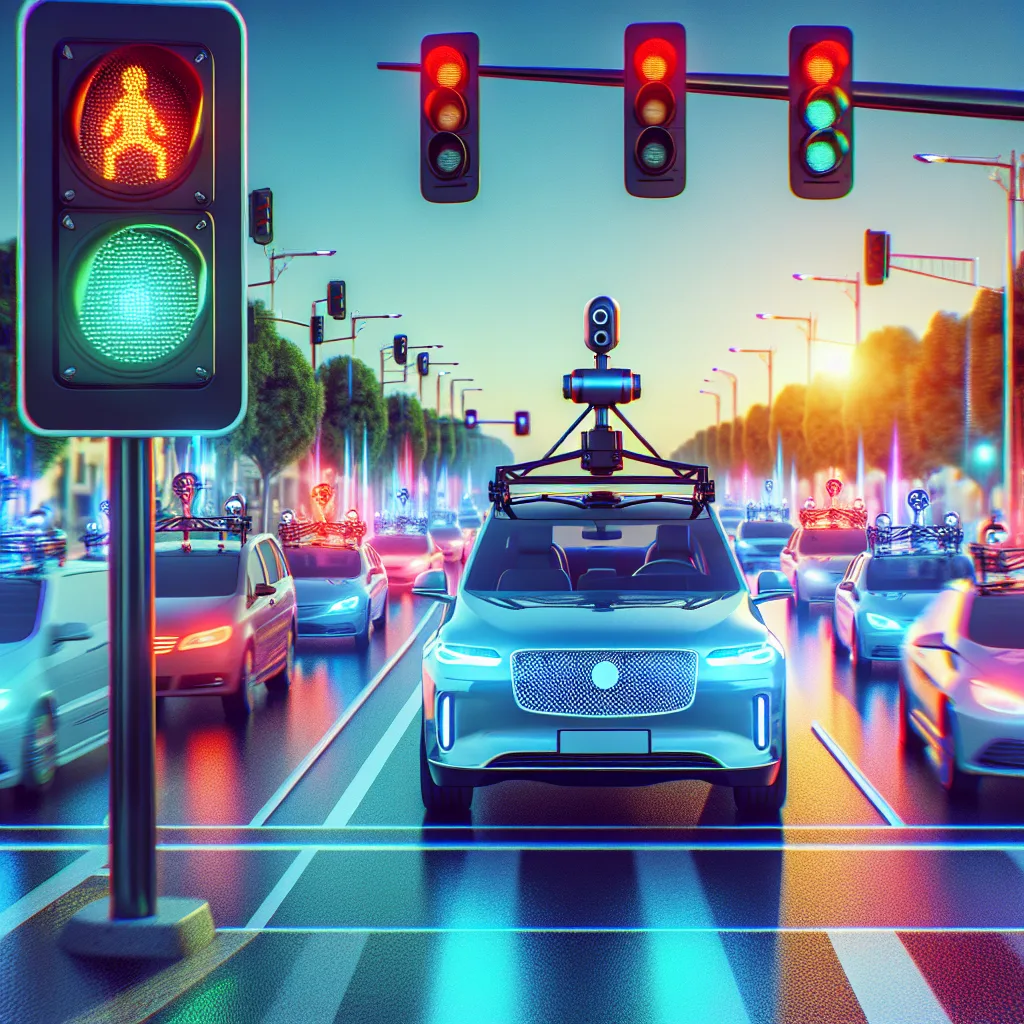
Autonomous Eyewitnesses: The Rising Tides of Surveillance and Privacy in the Age of Self-Driving Cars
As technology races ahead, the line between innovation and privacy continues to blur, most starkly evident in the world of autonomous vehicles. Recent revelations about the extensive video captured by companies like Waymo and Tesla have ignited conversations about surveillance, privacy rights, and data usage. If these machines are designed to see everything—should we be worried about what they might also reveal? The stakes are high as we grapple with this evolving landscape of technological oversight.
The discussions initiated by a pair of recent articles highlight not just a technical advancement but also a cultural reckoning. One piece sheds light on Waymo’s video collection during protests in Los Angeles, raising questions about how such footage is stored, shared, and potentially exploited. Meanwhile, another focuses on Tesla’s Sentry Mode—a feature allowing vehicles to record their surroundings while parked. In essence, two narratives converge: one concerns external perspectives on societal events; the other deals with internal monitoring within personal vehicles. Together they echo a sentiment that is rapidly gaining traction in our digitized society: everything is being recorded.
To understand this current moment, it is vital to contextualize how we arrived here. The advent of self-driving technology has sparked an arms race not only in engineering prowess but also in data acquisition capabilities. Companies like Waymo and Tesla have made substantial investments in sensors and cameras that generate mountains of video data. This data serves numerous functions—from improving vehicle safety through better object recognition algorithms to potential usage for marketing insights or legal defenses.
Recent developments indicate that these technologies are maturing more quickly than regulatory frameworks can keep up with them. Waymo’s footage from LA protests caught the attention of civil liberties advocates concerned that such recordings could be used to identify individuals participating in peaceful demonstrations. According to reports from the Electronic Frontier Foundation (EFF), this highlights a troubling trend where technology may inadvertently serve state surveillance interests rather than merely enhancing public safety.
The implications extend beyond social justice concerns; they touch upon consumer trust and corporate accountability. As people increasingly accept autonomous vehicles into their daily lives, they face an unsettling reality—namely that their movements could be monitored incessantly, often without explicit consent or knowledge. This growing surveillance culture poses critical questions: Who owns this data? How long is it retained? And perhaps most importantly, under what circumstances might it be accessed by law enforcement or third parties?
The ongoing discourse surrounding these issues is further complicated by differing perspectives among stakeholders:
- Technologists: They argue that video footage aids in refining algorithms for better safety outcomes—enhancing public trust over time as incidents are analyzed thoroughly.
- Policymakers: They grapple with establishing regulations that protect citizens while fostering innovation—a tightrope walk fraught with ethical dilemmas.
- Civil Libertarians: They advocate for stringent oversight and clearer guidelines to prevent misuse of surveillance data, pushing back against perceived encroachments on civil liberties.
- Vehicle Operators: Everyday users find themselves at a crossroads; they crave technological conveniences but remain cautious about their privacy rights being undermined.
The discourse surrounding autonomous vehicle surveillance illustrates more than mere technicalities; it echoes broader societal tensions related to privacy in an age dominated by digital footprints. This narrative emphasizes both the promising potential of autonomous systems and the urgent necessity for thoughtful regulation.
Looking ahead, we can expect continued scrutiny regarding how these technologies operate within our lives. Regulatory bodies worldwide will likely increase their focus on how companies like Waymo and Tesla collect and utilize this video footage. As public awareness heightens around these issues, consumers may demand more transparency regarding their own data—seeking assurances that privacy is not merely an afterthought but a priority embedded within design practices.
This raises a critical question for developers and policymakers alike: In our rush towards innovation, have we properly considered the ethical frameworks necessary to ensure responsible use of technology? As autonomous vehicles become fixtures on our roads, they must not only navigate traffic but also the complexities of human rights and societal norms.
In conclusion, as we stand at this technological crossroads where surveillance meets autonomy, we must ask ourselves—what cost are we willing to pay for convenience? The answer will shape not just our relationship with machines but fundamentally reframe our notions of privacy and trust in a rapidly changing world.