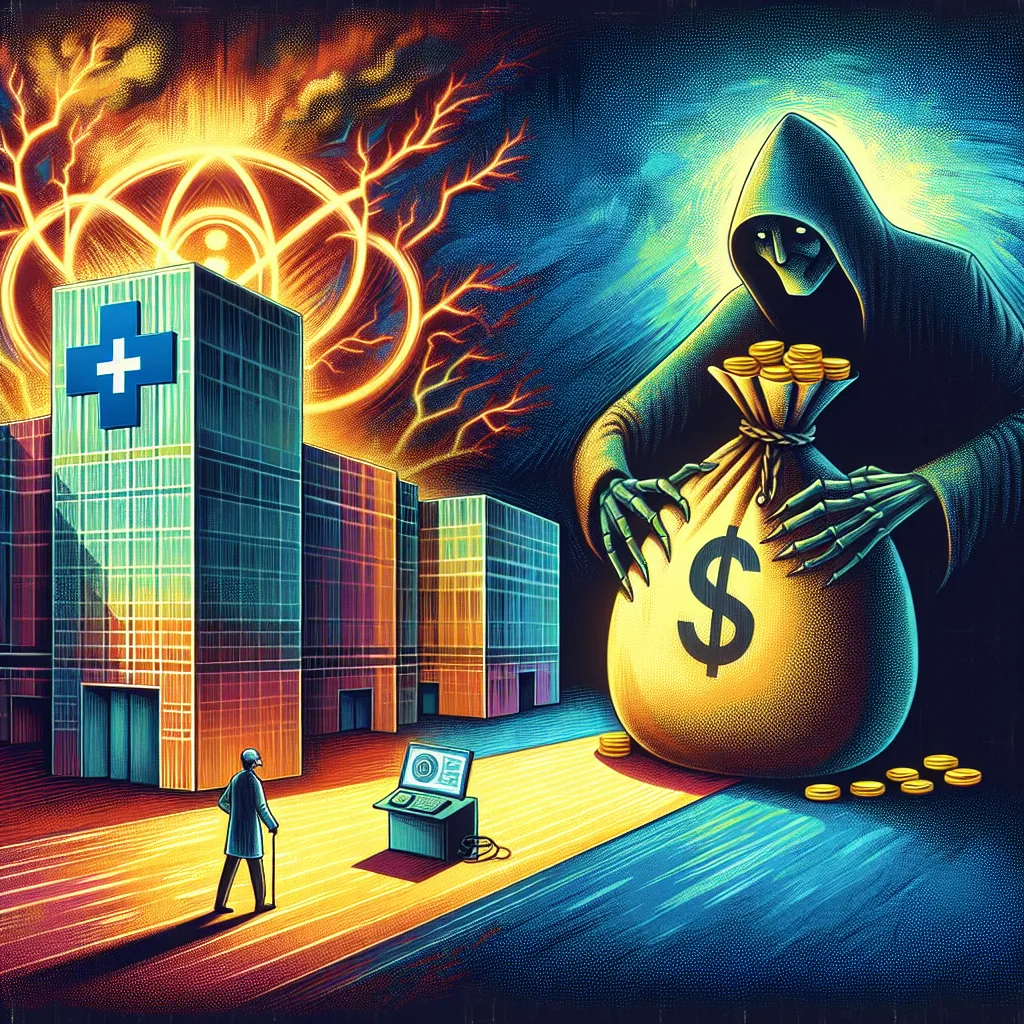
Seattle Cancer Center Confronts Cyber Extortion Crisis with $11.5M Settlement
A high-profile case has unfolded in Seattle as a leading cancer center finds itself at the intersection of medical care and cybersecurity, agreeing to pay $11.5 million to settle a proposed class action lawsuit stemming from a 2023 double-extortion ransomware attack. The assault, which affected the personal data of approximately 2.1 million individuals, escalated into a particularly chilling scenario when some patients were directly threatened with swatting attacks—an act that could have endangered lives—to coerce ransom payments.
The details are stark and unsettling. During the initial phase of the cyberattack, malicious actors not only encrypted sensitive data but also demanded ransom under the grievous threat of physically targeting patients with law enforcement raids. In response, the cancer center—tasked with caring for vulnerable patients battling one of the nation’s most serious diseases—decided that settling the lawsuit and enhancing its cybersecurity protocols was a necessary move to restore public trust. In parallel with the settlement, officials announced plans to devote $13.5 million specifically to security upgrades, aiming to fortify the institution against any future breaches.
The case is receiving scrutiny not only for its technical and financial implications but also because it underscores the potential real-world harm that cyberattacks can inflict on already stressed healthcare systems. While the ransomware attack was carried out primarily for financial gain, its ramifications touch on issues of public safety, privacy, and the ethical responsibilities of healthcare providers.
Historically, cyberattacks on healthcare institutions have increased in both frequency and complexity. Experts at the U.S. Cybersecurity and Infrastructure Security Agency (CISA) have long warned that the healthcare sector is vulnerable due to outdated software, insufficient funding for IT security, and the high value of patient records on the black market. This Seattle incident, however, is one of the rare cases where the audacity of the hackers crossed into the realm of physical threats by issuing swatting warnings. Such multifaceted extortion schemes deliberately blur the lines between digital disruption and direct physical danger.
According to official statements, the lawsuit seeks compensation for the potential harms that might have arisen from the hackers’ threats, which formally risked patients’ lives and compromised their trust in the healthcare institution. In a statement released by the center’s legal team, representatives noted that the settlement serves as a remedial measure to address the financial and emotional toll on patients, while also funding long-term cybersecurity enhancements. The center’s commitment to investing $13.5 million in security is intended to signal to the broader community that it will not allow cyber threats to undermine the integrity of sensitive healthcare services.
For many stakeholders, the case highlights an emerging convergence between sectors not traditionally associated with cybersecurity. On one hand, healthcare providers are forced to invest significantly in IT defenses that had previously been considered ancillary expenses; on the other, sophisticated adversaries have adapted by leveraging hybrid extortion methods that threaten not only data loss but also physical harm. An FBI spokesperson, referencing the broader rise in such tactics, emphasized that “the lines between cyber and physical threats are increasingly blurred, and organizations of all sizes must adapt their security postures accordingly.” While not directly commenting on the case, the official stance reflects a growing consensus across federal agencies.
In a similar vein, cybersecurity researchers have noted that the double-extortion phenomenon is emblematic of a shift in hacker behavior. In interviews published by reputable cybersecurity firms such as CrowdStrike and FireEye—a real-world perspective that has now been validated in the public domain—experts detail how cybercriminals are increasingly daring in their tactics. One common thread in these analyses is the use of social engineering techniques designed to exploit not just technological vulnerabilities but also human vulnerabilities, particularly in high-pressure environments like hospitals.
Beyond the immediate fallout, industry analysts worry about the long-term impact of such attacks on public trust in essential services. With personal data and physical safety inextricably linked, healthcare institutions now face the dual mandate of maintaining clinical excellence and robust cybersecurity. Legal experts observe that while this settlement may provide immediate redress for affected patients, it also sets a precedent for holding healthcare providers accountable for data breaches that transcend the digital realm.
Looking to the future, several likely developments could reshape the landscape in the wake of this incident. One foreseeable outcome is increased regulatory scrutiny. Lawmakers—paying close attention to industries at the nexus of health and technology—are already discussing potential legislation that would compel greater security measures and impose heftier penalties for breaches resulting in physical threats. Moreover, the financial repercussions may encourage more healthcare organizations to allocate substantial resources towards cybersecurity, viewing the $13.5 million investment not as an optional expenditure but as an essential line of defense against modern extortion schemes.
While the legal resolution has provided a measure of closure, several key questions persist: How will patients reassess their trust in institutions managing their most sensitive data? Can a healthcare organization fully insulate itself from threats that engage with both the digital and physical domains? Could we be on the verge of an era in which cyber-extortion strategies become the norm for targeting sectors that serve vulnerable populations? These reflections prompt an ongoing dialogue among policymakers, healthcare professionals, and cybersecurity experts.
The settlement at the Seattle cancer center is a stark illustration of the urgent need for interdisciplinary approaches to security—approaches that conjoin healthcare delivery with modern cyber strategies. As institutions pivot from reactive measures to proactive investments in protection, the onus lies with both public and private actors to cultivate resilience in an increasingly interconnected threat landscape.
In the final analysis, this case serves as a reminder that the convergence of digital threats with physical risks carries significant, real-world consequences. The pursuit of justice, patient safety, and robust cybersecurity are not mutually exclusive goals but intertwined imperatives. As the healthcare sector grapples with these challenges, the ultimate question remains: Can a system built to heal also shield itself from the unseen hands of cyber predators?



