What is at stake: Australia’s denial strategy must be operational in the 2030s, not the 2040s when the new nuclear attack submarines (SSNs) are only likely to be meaningfully effective.
Joint Architecture for Forward Denial — the concept
The study proposes a Joint Architecture for Forward Denial that stitches together three elements: an independent Australian targeting network, massed ground-based long-range strike weapons, and resilient northern operating bases. The concept is premised on two changes in warfare identified in the analysis: first, ships can no longer hide on the oceans because growing numbers of synthetic-aperture radar and passive electromagnetic-sensing satellites in low orbit pass over the world’s oceans often enough to detect them; second, long-range precision strike is becoming much cheaper. The combination, the study argues, gives a middle power such as Australia a stronger option for maritime denial than past eras allowed.
Joint Sovereign Targeting Network
The architecture’s first main element is a Joint Sovereign Targeting Network. Probably incorporating the data-sharing system envisaged under project Air 6500, it would fuse data from Australian-owned radar and electromagnetic-intelligence satellites, the ground-based over-the-horizon radars of the Jindalee Operational Radar Network, and the radars and passive sensors of Wedgetail surveillance aircraft. Its purpose would not be merely maritime awareness; the network would hold continuous, precision tracks that are updated and passed to Australian shooters and to weapons in flight.
That distinction is central to the proposal: commercial imagery can show where a ship was hours ago, but a targeting network must track where the ship is now and keep updating munitions as the target moves. The network is also described as a common layer linking army, navy and air force weapons to the same picture — increasing the effectiveness of other platforms, including SSNs and hypersonic weapons as they are fielded.

This site is the portfolio.
OSINTSights runs on Cloudflare Workers, D1, R2, and Vectorize, with an AI pipeline on Hetzner ARM. Nubivance designed, built, and operates it. We do the same for clients.
See what we buildLong-Range Precision Fires: 2,400 km, 25 batteries, 3,600 missiles
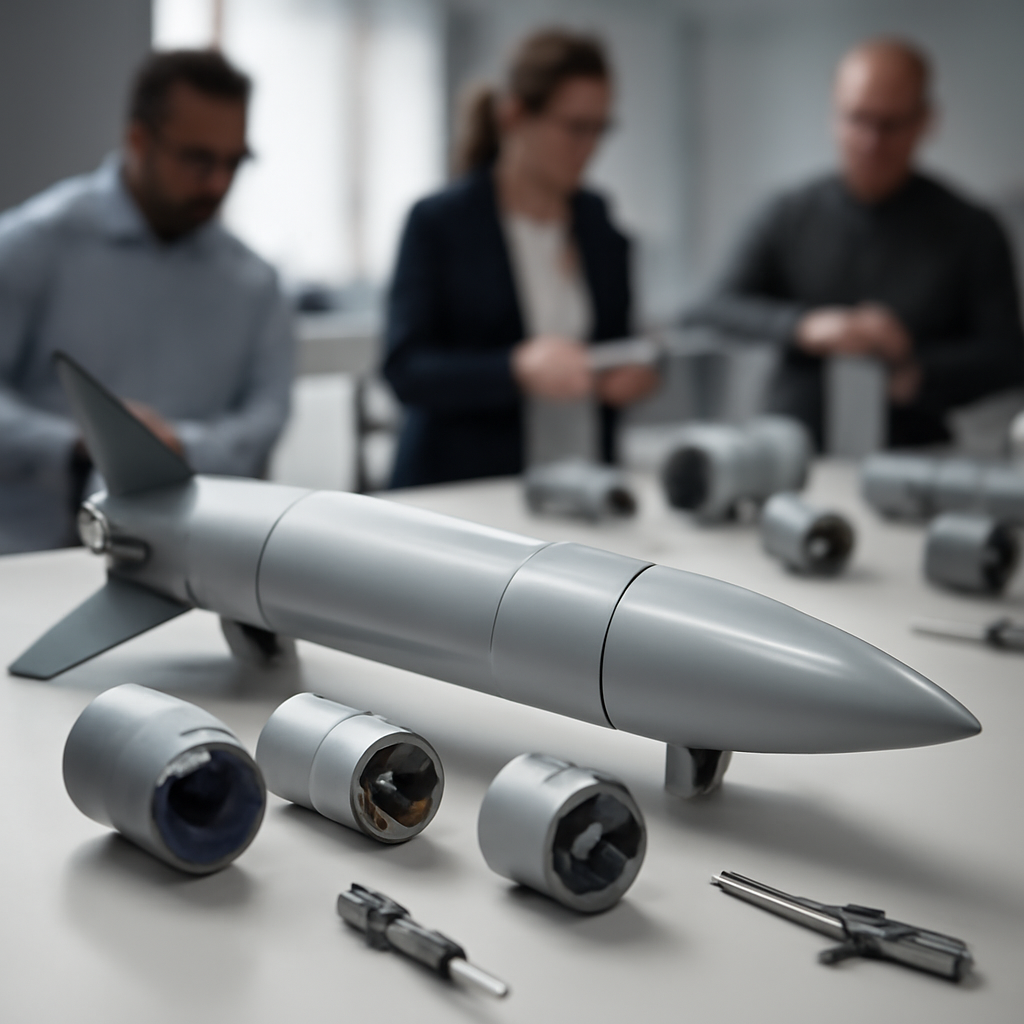
The second element is a land-based Long-Range Precision Fires force designed around a 2,400 km strike range to cover Australia’s northern approaches from dispersed sites on Australian territory. The design study models 25 batteries together holding 3,600 containerised cruise missiles, with 20 batteries forward and five in reserve. The planning figures assume a munition cost of about US$300,000 (A$421,000) per round, a 250 kg warhead and passive machine-vision terminal guidance.
The study is explicit that these are engineering and planning estimates, not measurements of an existing weapon. The planning logic, however, is clear: rounds must be cheap enough to be bought in the thousands to overwhelm enemy defences. That makes domestic production capacity — an Australian-controlled production line capable of surging to replenish stocks — as important as the stockpile itself, to avoid dependence on foreign supply chains and permissions to resupply.
Northern bases: hardening, dispersal, deception and defences
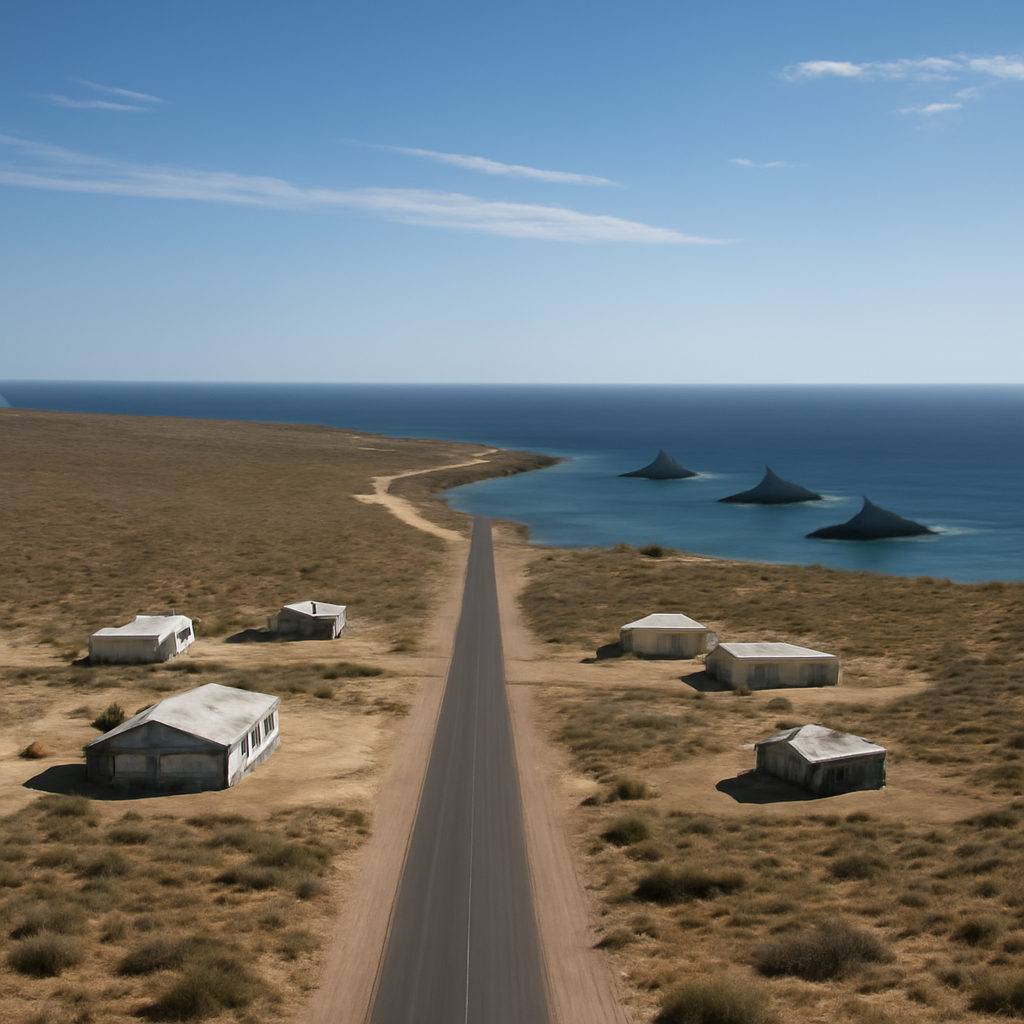
The analysis warns that northern Australian airfields, ports, fuel depots and command facilities are both observable and within reach of long-range weapons. To be credible, a denial strategy therefore needs more than sensors and missiles: ground-based air and missile defence, base hardening, deception, dispersal and decoys are included in the proposal. The system is designed to be distributed and resilient — losing satellites, ground stations or a launch battery would slow the force, not stop it.
Sequencing and timeline: deliver in the 2030s to match the risk window
Sequencing is a recurring theme. The study counsels building the self-reliant targeting network first, while placing orders to field the massed ground-based strike forces as the network becomes operational and while hardening and defending northern bases. The authors argue that satellites, ground-based strike weapons and base improvements can be made operational long before the Royal Australian Navy will commission enough SSNs to pose a strategic shift — a milestone the study places in the 2040s. If focus and funding were sufficient, the interval from go-ahead to operational capability for the proposed architecture could be less than 10 years, matching the study’s 2030s risk window.
What this means for technologists, policymakers, and the Royal Australian Navy
- Technologists and security teams: design and integrate a targeting network that fuses satellite, over-the-horizon radar and airborne passive sensors into continuous, updateable tracks capable of cueing weapons in flight.
- Policymakers and procurement leaders: prioritise Australian-controlled production lines and surge-capable factories for containerised cruise missiles, and fund base-hardening, air and missile defences, dispersal and deception measures.
- The Royal Australian Navy: expect that SSNs, when fielded, will operate in a theatre already watched by an Australian targeting network and backed by a deep land-based munitions stock — altering how submarines and other platforms are deployed and sustained.
The study concludes with a pointed policy steer: the debate should focus less on whether any one proposed missile or satellite is exactly right and more on whether Australia has the self-reliant sensing, munitions stocks, production capacity and resilient basing needed to make denial real in the decade ahead. That remains the practical question for decision-makers weighing investments now against strategic effects before the 2040s.