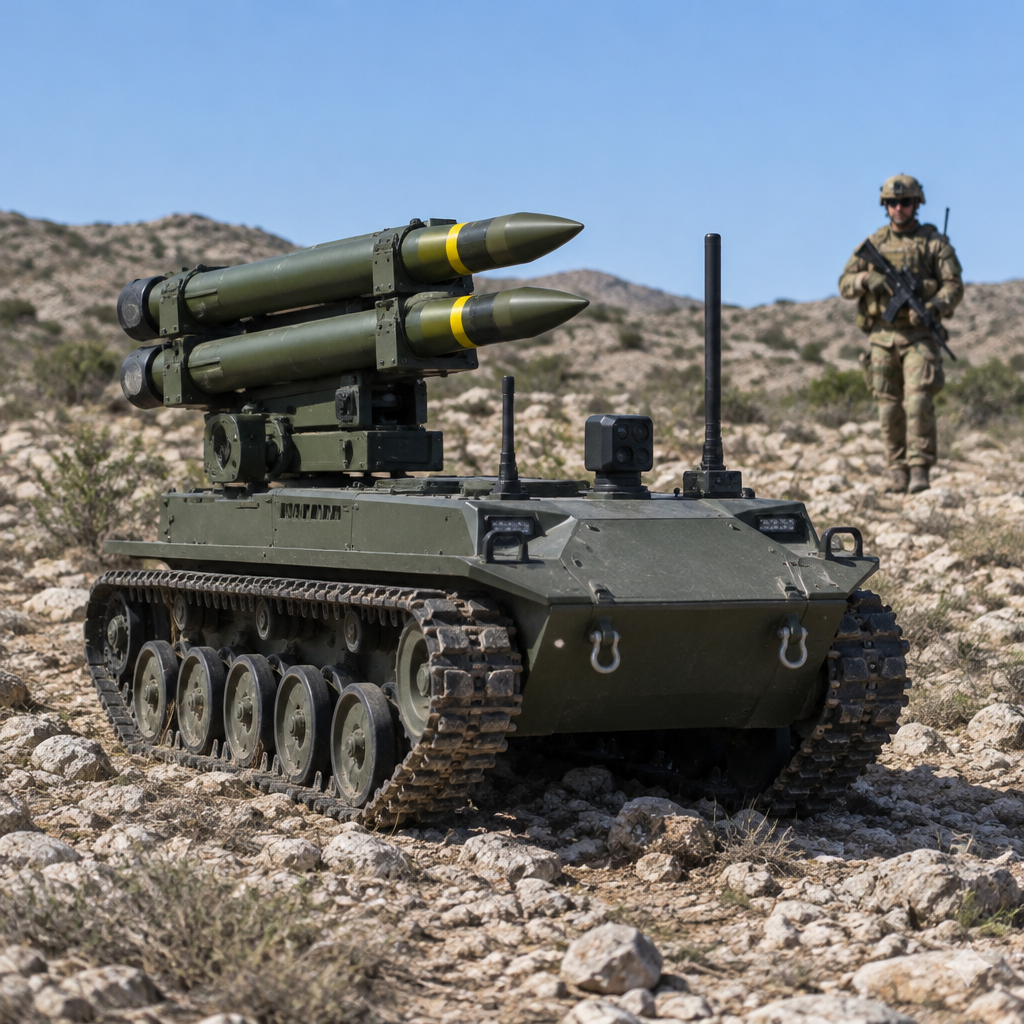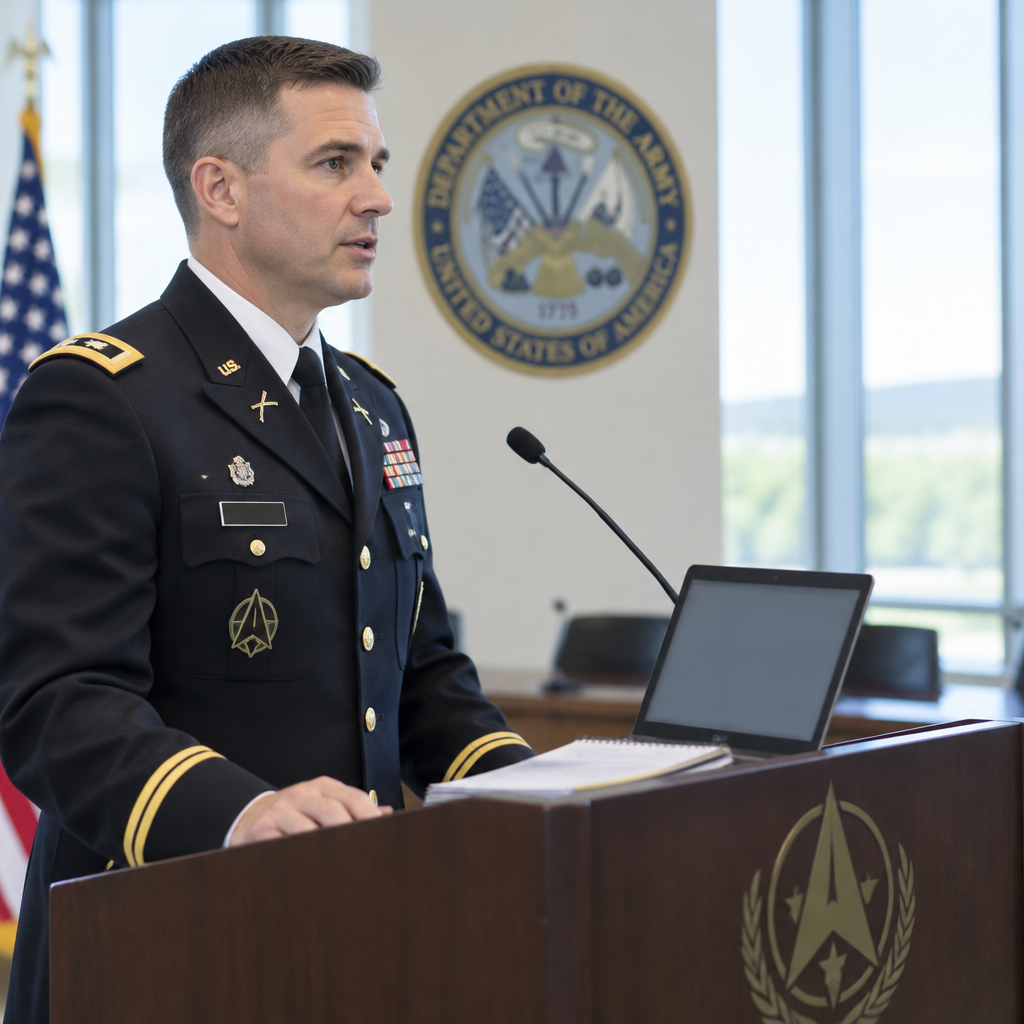
“‘How the Army Fights’ is something our Army needs. It plants the flag for where we are going and unifies the team around a common understanding of our contribution to the Joint Force against the pacing challenge,” Gen. Christopher LaNeve said during the AUSA conference in October.
Gen. Christopher LaNeve’s "How the Army Fights" guidance
LaNeve has moved away from the Army’s prior campaign plan, “Continuous Transformation,” toward a new, top-down document titled “How the Army Fights.” That guidance has been released in an early form and — according to one of LaNeve’s special assistants, Col. Pete Walther — sits in the “execute order” stage, the step before it is scheduled to become the Army’s official campaign plan by Feb. 1. LaNeve’s spokesperson told Breaking Defense the intent is for the guidance not to be “tied to an individual,” and framed the shift this way: “‘Continuous Transformation’ was motion, but ‘How the Army Fights’ is direction.”
A reversal from "Continuous Transformation" and the end of TiC and ATI
The change represents a fundamental reversal of the previous, bottom-up approach. “Continuous Transformation,” developed under former Army Chief Gen. Randy George, included the Army Transformation Initiative (ATI) and Transformation in Contact (TiC). Walther acknowledged TiC delivered “good lessons learned” and sped “a lot of material tactical lethality” to lower echelons, but said the bottom-up experimentation model created tech fatigue and a lack of clear direction from headquarters. Breaking Defense reports TiC and ATI will definitively end rather than be rebranded.

This site is the portfolio.
OSINTSights runs on Cloudflare Workers, D1, R2, and Vectorize, with an AI pipeline on Hetzner ARM. Nubivance designed, built, and operates it. We do the same for clients.
See what we buildDivision-level authority, operational maneuver, and clearer echelon roles
Under the new guidance, direction for what experimental technologies get fielded at Combat Training Centers (CTCs) will come from the division level or above, often originating at Army headquarters. Walther said LaNeve “is absolutely focused on divisions, corps and theater armies,” adding that the previous focus on “companies, battalions and brigades” left ambiguity over responsibilities at each echelon. Walther argued the service must return to clearer roles so battalion commanders “focus on close battle,” strike occurs at brigade level and above, and convergence happens at division level and above. He warned of battalion commanders who “thought they were hunting 300 kilometers deep,” and said the Army needs corps that are “manned, trained and equipped to be able to do convergence with the joint force.”
The 180‑day mandate and changes to Combat Training Center rotations
One concrete procedural change in “How the Army Fights” is a 180‑day requirement: soldiers must receive experimentation technology leaders want to test at least 180 days before they rotate to CTCs. Lt. Gen. James Isenhower of the Army Combined Arms Command previewed this in September, saying the Army wants to be more “careful” with experimentation demands on the rotational force (the BlueFOR) and to give units “more time so they can integrate that equipment and focus on fighting the enemy.” The BlueFOR will still test experimental tech, but some of what was previously sent to them will now be allocated to the opposing force, which is typically stationed at training locations and therefore has more time to train on new gear.
What this means for brigade commanders, industry participants, and training units
- Brigade commanders and battalion leaders — Expect clearer limits on what new kit you will receive for CTCs, and a push to concentrate on “close battle” roles rather than experimenting broadly with unvetted systems. The 180‑day window is intended to reduce “tech fatigue” and ensure units are tactically proficient before rotations.
- Industry participants who supplied experimental gear to CTC rotations — Your products will increasingly be vetted and assigned from division-level guidance. An industry executive told Breaking Defense that too often units received technology without knowing how to use it or why it was intended, and that there is “a lot of solutions that are looking for problems.” Expect decisions about what enters rotations to be centralized and timed to meet the new integration window.
- Training units and opposition forces at CTCs — The opposition force may receive a larger share of experimental systems because they are stationed near training centers and can integrate kit over time; the rotational BlueFOR should arrive with a narrower set of capabilities that are already embedded in their tactics, techniques and procedures.
Breaking Defense’s reporting frames “How the Army Fights” as a deliberate effort to trade rapid, bottom-up experimentation for standardized, top-down direction — prioritizing clearer roles by echelon, a mandated integration window, and centralized selection of experimental gear. The document sits in the execute-order phase now, with Feb. 1 set as the target to replace “Continuous Transformation.” Whether that schedule holds and how units adapt in practice are the near-term facts to watch.