[SPONSOREDNUBIVANCE]
Rapid7 deployed right the first time.
Full-platform Rapid7 rollouts - InsightVM, InsightIDR, event sources, agents, tuning - by a Registered Partner who has done it at state-agency scale, including OT/SCADA.
Talk deploymentCybersecurity intelligence, threat analysis, and national security reporting.

Millions of unsuspecting US households are unwittingly fueling cybercrime, with an estimated 20 million connections being repurposed as proxies, often without their knowledge. This shocking trend highlights the dark side of residential IP addresses being exploited for malicious activities.

CISA's new guidance is helping federal agencies ditch outdated internet gateways and make the leap to Secure Access Service Edge (SASE) technology, a key step towards adopting zero-trust architectures. By making this shift, agencies can unlock the benefits of zero-trust security and leave legacy perimeter-based models behind.
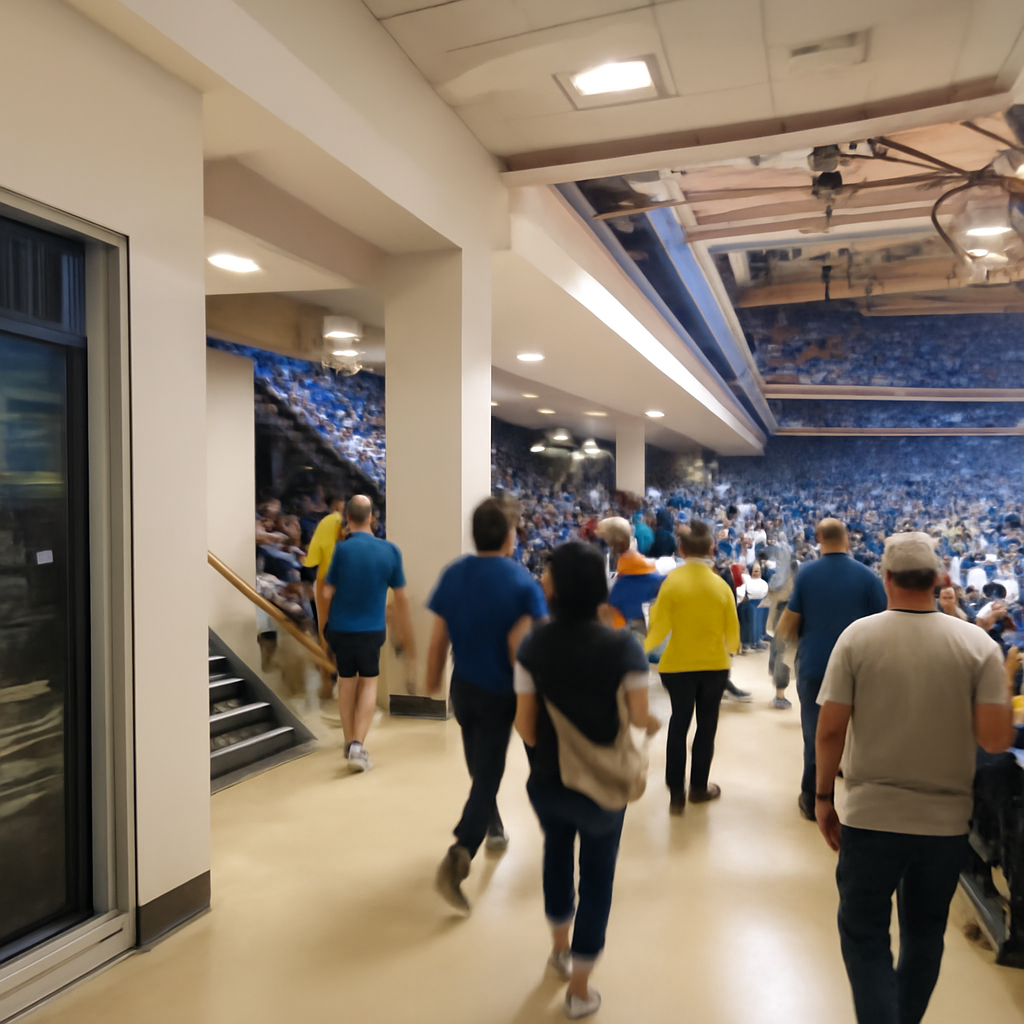
A recent cyberattack by ShinyHunters has exposed sensitive data from Madison Square Garden, highlighting a growing concern about cyber risk in the professional sports industry. The breach, which included over 26 million records, is a stark reminder of the importance of robust cybersecurity measures.

In today's AI-driven threat landscape, organizations need to move beyond prevention and adopt a more proactive approach, focusing on network detection and response to swiftly identify and disrupt malicious activity. By doing so, they can effectively mitigate vulnerabilities and contain threats before they escalate into full-blown breaches.

Confidence in automated AI vulnerability scanning has taken a nosedive, with a recent survey revealing a dramatic drop from 29% to 9% in organizations relying solely on AI for testing. Instead, nearly half are turning to a hybrid approach, combining AI with human expertise for more reliable results.

Ransomware attacks are surging across Europe, with a staggering 55.1% year-over-year increase in just the first four months of 2026, averaging 171 incidents per month. Five key countries - Germany, the UK, France, Italy, and Spain - are bearing the brunt, accounting for 70% of all recorded attacks.

A security flaw in macOS has been discovered that allows users to quietly disable crucial enterprise security tools, including EDR and MDM, without needing administrator privileges. This gap in endpoint security models could leave businesses vulnerable to attacks.

Meet Gaslight, a sneaky new macOS malware that uses fake system-failure messages to trick AI-powered analysis tools into doubting themselves. Created by North Korea-aligned threat actors, this Rust-based implant is a clever and concerning threat to cybersecurity.
Full-platform Rapid7 rollouts - InsightVM, InsightIDR, event sources, agents, tuning - by a Registered Partner who has done it at state-agency scale, including OT/SCADA.
Talk deployment
Meet Mistic, a sneaky backdoor that's leaving a trail of financial chaos across multiple sectors, thanks to its ability to run quietly in memory with no digital fingerprints left behind. Its arsenal includes a range of remote-access capabilities, from file uploads and downloads to code execution, all designed to keep attackers in the driver's seat for the long haul.
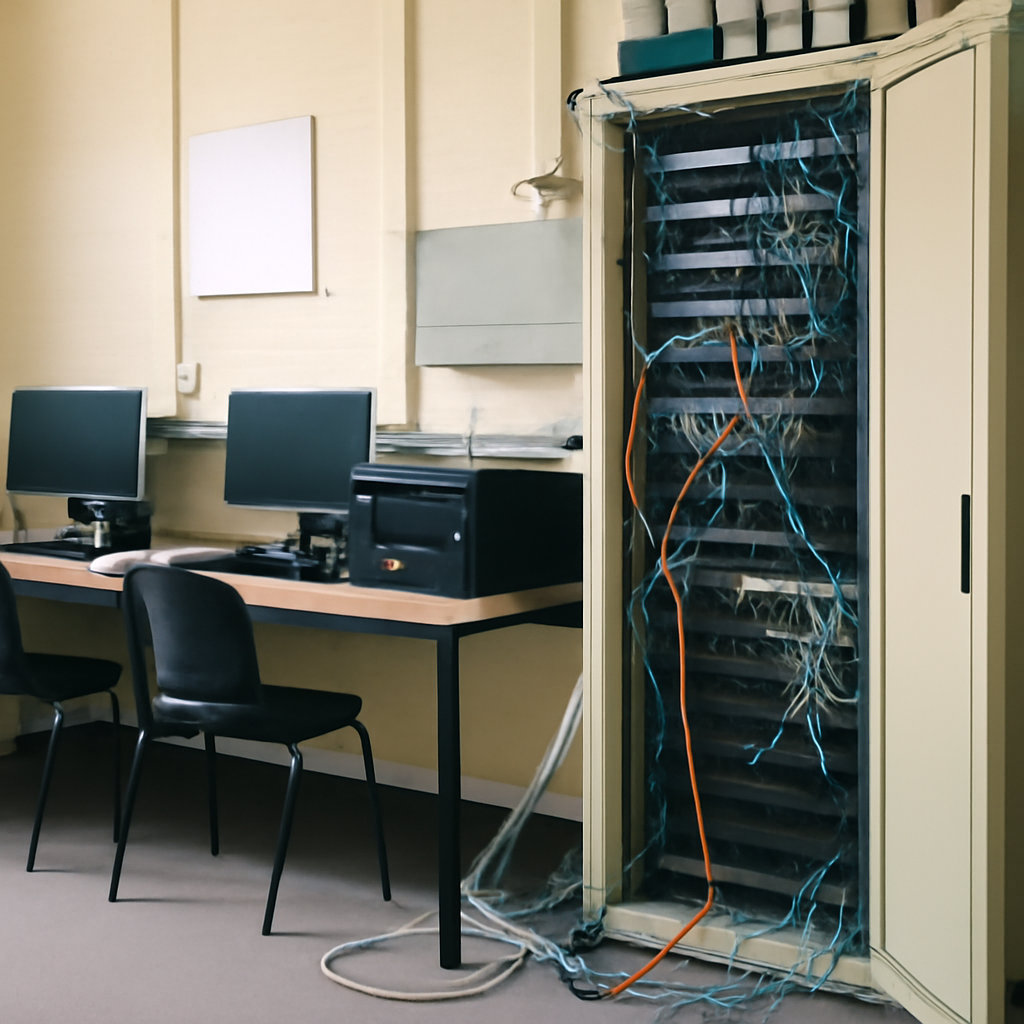
A 17-year-old student gained unrestricted access to a UK school's network, discovering sensitive leadership documents and being able to reset passwords, delete accounts, and even wipe the entire network. The alarming vulnerability was uncovered when the student connected their laptop to the school's Active Directory domain, which surprisingly required no administrator authentication.

Boeing has landed a whopping $2 billion contract with the Space Force to develop two new Mobile User Objective System satellites, expanding the military's narrow-band communication capabilities. This major deal cements Boeing's role in supporting the Space Force's communication needs, following a competitive bid process that drew in industry heavyweights.

Germany is ditching its F126 frigate program, a costly endeavor that was projected to balloon to over €18 billion, and is instead turning to Meko vessels in a sudden overhaul of its surface fleet plans. The cancellation comes after delays and a potential contractor change threw the original €10 billion project off track.

A recent review by the Australian Strategic Policy Institute uncovered 40 regional security initiatives, with many involving Australia, highlighting both the impressive level of cooperation and the significant gaps that leave the Indo-Pacific vulnerable to complex threats. These initiatives, though numerous, often focus on specific geographic areas or themes, lacking the cross-domain reach needed to effectively counter hybrid threats.

The White House is seeking a massive $87.6 billion supplemental spending boost, with a whopping $67.1 billion dedicated to defense costs related to the war in Iran, in a bid to further secure the region and counter the regime's growing threats. This dramatic increase in defense spending comes on the heels of a major operation that successfully deterred a nuclear-armed Iran and crippled its regional influence.

ASIO Chief Mike Burgess has issued a stark warning: Australia faces a complex web of security threats that must be tackled simultaneously. He delivered this message to a packed room in Canberra, emphasizing the need for vigilance in the face of multiple, overlapping dangers.
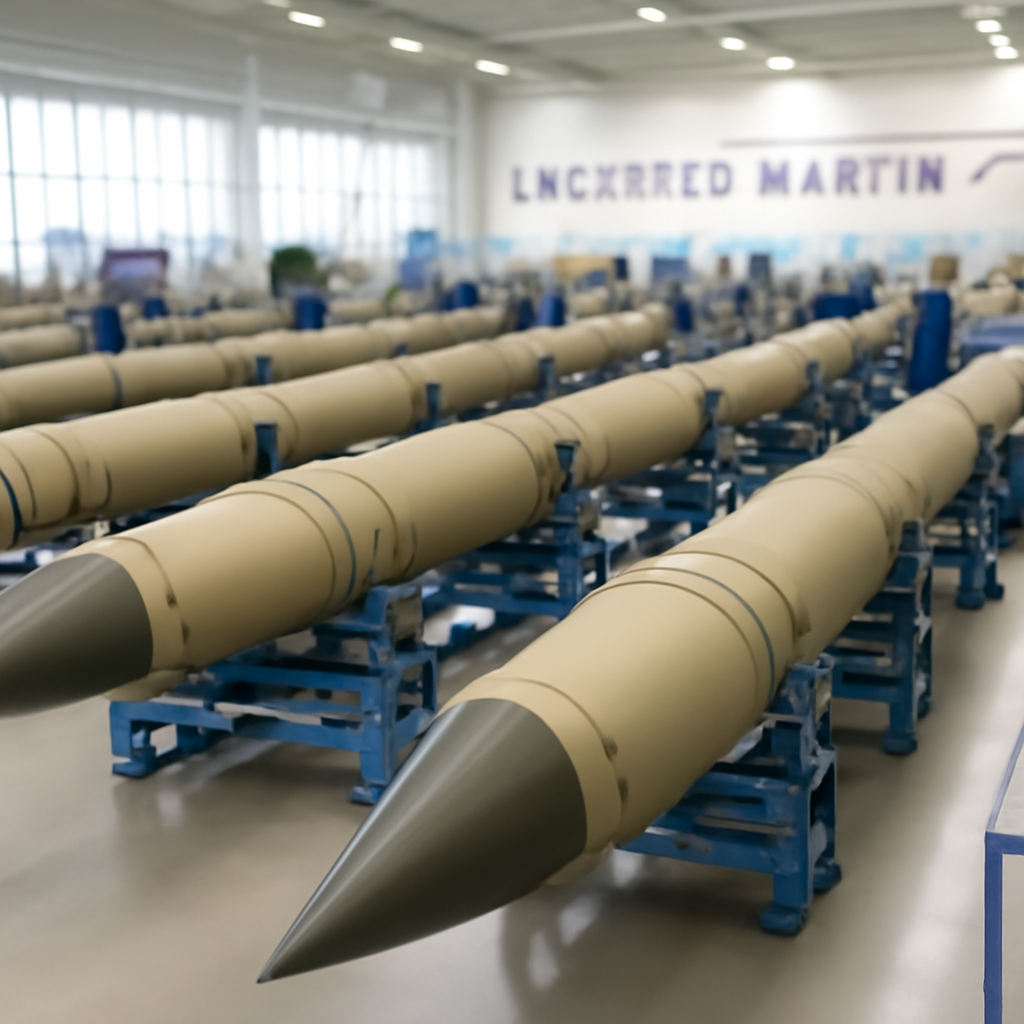
Lockheed Martin is set to supercharge production of its Terminal High Altitude Area Defense (THAAD) interceptors with a whopping $35 billion contract, quadrupling output over the next seven years. This game-changing deal is a major win for the company and a significant boost to America's defense capabilities.
Evidence in spreadsheets, controls drifting between audits, frameworks multiplying on flat headcount. Nubivance runs continuous compliance on Rapid7 Cyber GRC - SOC 2, HIPAA, ISO 27001, PCI, CMMC.
End the scramble
General Atomics is upgrading its Block 30 ground control stations to ensure seamless compatibility with its latest MQ-9B SkyGuardian and SeaGuardian drones, addressing a key concern for current MQ-9A operators. The company will fund the upgrade research and development and plans to begin flight testing by the end of the year.

When Australia's critical infrastructure is disrupted, it will be a shock, but not a surprise - and with AI supercharging threats, that disruption may come sooner than we think. The warning signs are clear: AI is rapidly expanding the offensive toolkit, making threats more immediate, concurrent, and devastating.

The House Appropriations Committee has just greenlit a staggering $1 trillion defense bill for fiscal 2027, and in a surprising move, voted to rename the Pentagon the "Department of War" - a change that could cost up to $125 million.
A shocking new discovery reveals that a Cisco SD-WAN zero-day vulnerability, CVE-2026-20245, was exploited for root access at least two months before its public disclosure. This highly critical flaw, with a CVSS score of 7.8, allows attackers to execute arbitrary commands with elevated privileges.

The Pentagon is bolstering its defenses with a new quantum strategy, aimed at safeguarding its systems for decades to come, Chief Information Officer Kirsten Davies announced. This forward-thinking plan will help mitigate the risks of emerging quantum capabilities and modernize defense networks.

Get ready to blast off into an unforgettable experience as the California Science Center unveils the Space Shuttle Endeavour in a breathtaking, 20-story vertical display. For the first time ever, visitors will be able to see a complete, authentic space shuttle system in a launch position, featuring the orbiter, solid rocket boosters, and external tank all in one stunning exhibit.
In a chilling cyberattack, hackers exploited a previously unknown Cisco zero-day vulnerability to gain unrestricted access to a major telecom provider's system, creating a rogue admin account with full control. The breach, detected in March, was carried out in two waves, allowing the attackers to infiltrate the provider's SD-WAN Manager devices.

Deputy Prime Minister Richard Marles says Australia's sovereignty relies on gaining long-range submarine capability through a joint technology transfer from the UK and US, set to revolutionize its naval power in the 2030s and 2040s.