[SPONSOREDNUBIVANCE]
Know a small business winging it on security?
No IT department, no security budget, real exposure. Nubivance builds right-sized security foundations for small companies. Send them this.
Send it alongCybersecurity intelligence, threat analysis, and national security reporting.

Most organizations are drowning in threat intelligence, with an average of 14 distinct feeds, yet struggle to turn that visibility into action, with 61% unable to identify which vulnerabilities are most likely to be exploited. As a result, security teams waste 42% of their time on low-priority risks, highlighting a critical gap between threat awareness and effective management.
Don't assume macOS is safe from cyber threats - a recent report warns that it now requires the same level of monitoring and protection as Windows to prevent malware attacks. Cybercriminals are using the ClickFix technique to deliver malware, tricking victims into running malicious commands.

Aflac revealed a data breach at its Japan subsidiary, Aflac Life Insurance Japan Ltd., after discovering an unauthorized third-party had accessed certain systems between June 15 and June 25, 2026. The company swiftly took action to contain the incident and prevent further intrusion.

A critical vulnerability, CVE-2026-48558, with a maximum severity score of 10.0 is being exploited to spread two new malware families, TaskWeaver and Djinn Stealer, by turning remote monitoring servers into malware distribution points. This flaw allows attackers to bypass OpenID Connect authentication in SimpleHelp and gain a fully authenticated session.

Microsoft is stepping up its Teams security game with enhanced bot protections, allowing admins to block third-party bots from joining meetings without approval. This new policy gives organizations greater control over who can access their meetings, helping to prevent malicious apps and unwanted disruptions.

TrendAI Research uncovered a sneaky phishing campaign in late May 2026 that targeted hotel staff in Japan, cleverly disguising emails as guest complaints or review requests to trick employees into divulging sensitive info. The attackers stayed one step ahead, constantly updating their tactics to maximize their success.

Millions of devices are vulnerable to local attacks due to flaws in popular sharing services like AirDrop and Samsung Quick Share, discovered by researchers Arash Ale Ebrahim and Nils Ole Tippenhauer. They found six distinct flaws that can be exploited by nearby attackers to crash services or bypass security checks.
Kali Linux just got a major boost with its latest release, packing 9 new tools to supercharge your cybersecurity arsenal. This update slashes boot time by nearly 3x and trims down the initrd to just 60 MB for VM users.
No IT department, no security budget, real exposure. Nubivance builds right-sized security foundations for small companies. Send them this.
Send it along
A critical flaw in Progress Kemp LoadMaster, known as CVE-2026-8037, allows attackers to run root commands without authentication - but a patch is now available to fix this gaping security hole. This vulnerability, scoring a severe 9.8, can be exploited with a simple crafted API request.

Nidec Corporation revealed that its Taiwanese subsidiary was hit by a Blackfield ransomware attack, prompting swift emergency measures to contain the breach and prevent further damage. The hackers are now demanding a whopping $2 million in extortion, threatening to leak sensitive data if their demands aren't met.

The UK healthcare sector is under siege, facing a staggering tenfold surge in cyber-attacks with 264,000 intrusion events recorded in just the first five months of 2026. This alarming rise has left health networks being “stress-tested to breaking point.”

A shocking new attack has been discovered that can trick AI browsers and assistants into leaking sensitive user credentials, with six popular agents already proven vulnerable. This sneaky tactic, called BioShocking, uses a clever game-like approach to bypass safety protocols and get agents to cough up personal info.

Ransomware gangs are actively exploiting a critical Microsoft Defender flaw, nicknamed BlueHammer, which has been added to CISA's list of Known Exploited Vulnerabilities. This vulnerability is a prime target for malicious cyber actors, posing a significant risk to those who haven't yet applied the necessary patches.

Stay ahead of ransomware threats with proactive protection - keep your data safe with regular backups, strong access controls, and up-to-date systems. Every month, over 26 UK firms fall victim to these crippling attacks, with small and mid-sized businesses being hit the hardest.

Apple is stepping up its security game by releasing patches for over three dozen WebKit flaws, discovered with the help of AI, to protect its users from potential hacking threats. By speeding up its update process, Apple aims to outpace malicious hackers who are leveraging AI to develop exploits at an alarming rate.

Microsoft is stepping up its game to protect Teams meetings from unwanted bot intrusions by introducing a virtual bouncer that keeps automated accounts at bay. This new defensive measure is a significant boost to Microsoft Teams security.
Full-platform Rapid7 rollouts - InsightVM, InsightIDR, event sources, agents, tuning - by a Registered Partner who has done it at state-agency scale, including OT/SCADA.
Talk deployment
Germany is ditching its F126 frigate program, opting instead for Thyssenkrupp Marine Systems' MEKO A-200 DEU frigates, after citing significant delays, soaring costs, and unpredictable risks. Defence Minister Boris Pistorius said the decision brings a tough but welcome end to a drawn-out limbo.

The Navy is racing against time to find a new jet trainer, as every delayed month puts pilot production further behind schedule and increases the risk of its aging T-45 fleet failing. With Boeing and Lockheed Martin exiting the competition, the pressure is on to find a solution.

Pakistan has launched a bold move, carrying out cross-border strikes into Afghanistan, killing 29 militants in a two-part operation that underscores its commitment to prioritizing citizen safety above all else. The daring action, which included a ground raid and precision air strikes, targeted high-value targets and destroyed enemy strongholds.

Germany is ditching its troubled F126 frigate programme, opting instead for the tried-and-tested MEKO A-200 design, a move that will likely save the country billions of euros in costs. The pivot comes after massive cost overruns and delays plagued the F126 project, with projected costs ballooning to over €18 billion.

China is seeking to reclaim a vast stretch of Pacific coastline, including Russia's strategic Vladivostok naval base, lost under the 19th-century Treaty of Aigun and Convention of Peking, which Beijing still considers unequal and a historical injustice. This long-standing territorial dispute has been a point of friction between the two nations for over a century.
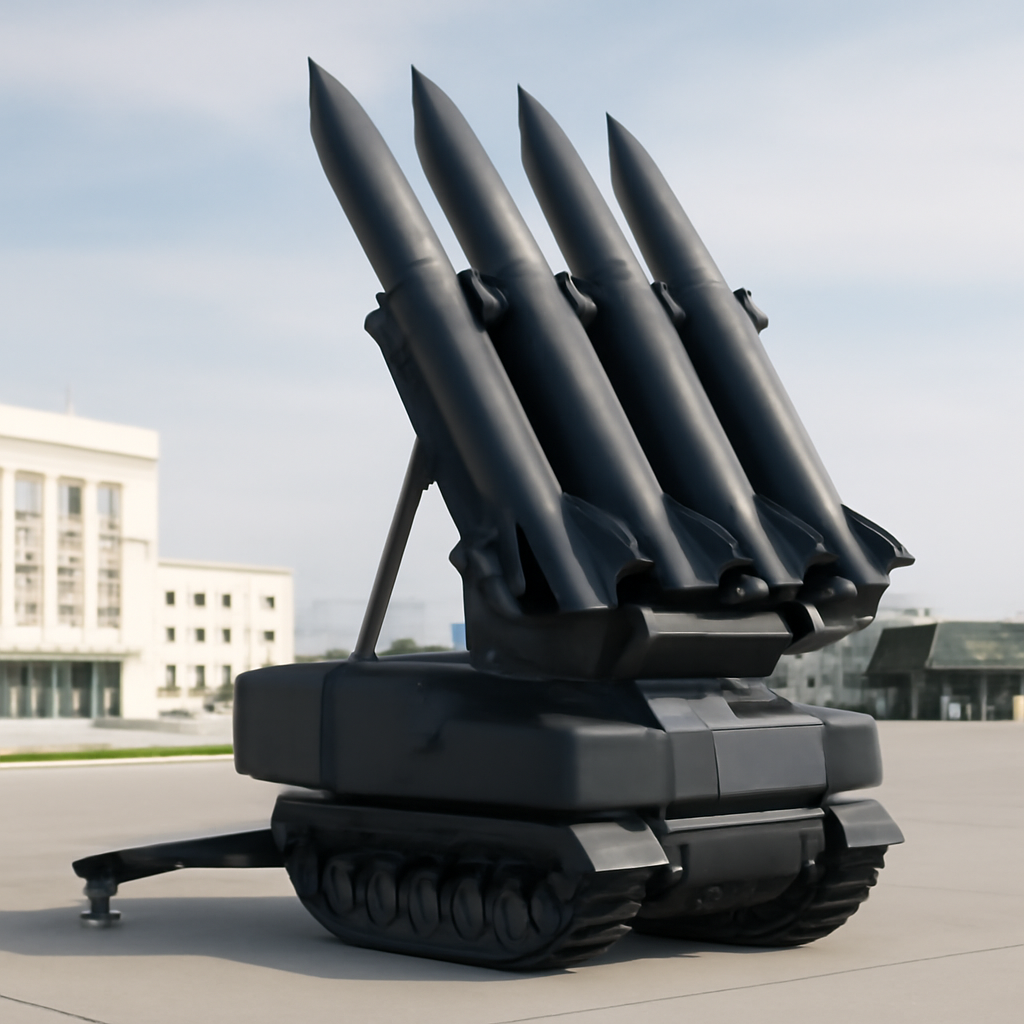
Romania has sealed a game-changing $2.3 billion deal with Rafael to secure the cutting-edge Spyder Air Defense System, marking the largest agreement in the Israeli firm's history. This strategic partnership bolsters Romania's defenses and cements its position as a key player in regional security.

Rocket Lab is revolutionizing its business model with the planned acquisition of Iridium, a leading satellite communications provider, to create a full-service satellite operator that unlocks new markets and revenue streams. This game-changing deal combines Iridium's trusted infrastructure with Rocket Lab's launch and manufacturing capabilities.

Australia and France have upgraded their security pact to promote a peaceful, stable, and prosperous Indo-Pacific region, a move that comes as global tensions rise and the international landscape grows increasingly complex. This strengthened partnership is a bid to tackle shared strategic challenges and foster greater cooperation between the two nations.