[SPONSOREDNUBIVANCE]
Know a small business winging it on security?
No IT department, no security budget, real exposure. Nubivance builds right-sized security foundations for small companies. Send them this.
Send it alongCybersecurity intelligence, threat analysis, and national security reporting.

Cisco Talos researchers have uncovered a sneaky new backdoor, msaRAT, that hijacks Chrome or Microsoft Edge to secretly communicate with its command center, avoiding direct network connections. This stealthy tactic uses the browser's remote debugging interface to inject JavaScript and stay under the radar.

Microsoft is working to resolve a frustrating glitch in Exchange Online that has caused some mailboxes to be incorrectly quarantined, blocking users from receiving emails and disrupting access to calendars. The issue, which began on July 19, has left affected users unable to send or receive emails and access their calendars.

A critical zero-day flaw in Check Point's SmartConsole has been exploited in attacks, allowing hackers to modify security policies and configurations with ease. A patch is now available to fix this authentication bypass vulnerability, tracked as CVE-2026-16232.
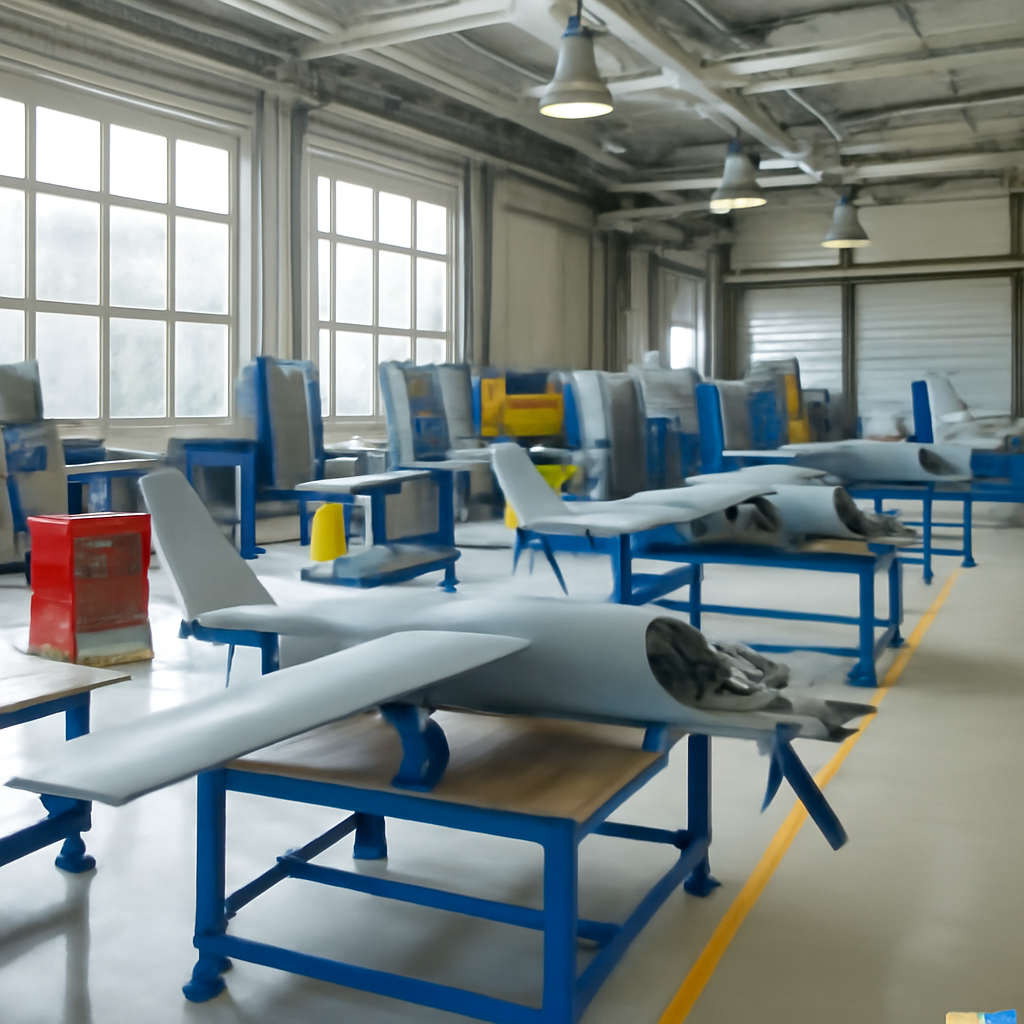
Boeing is shifting its production strategy for the MQ-28 Ghost Bat to a more localized approach, with multiple smaller factories around the world, to empower countries to meet their own defense needs. This move prioritizes national sovereignty and resilience over a single large-scale manufacturing facility.
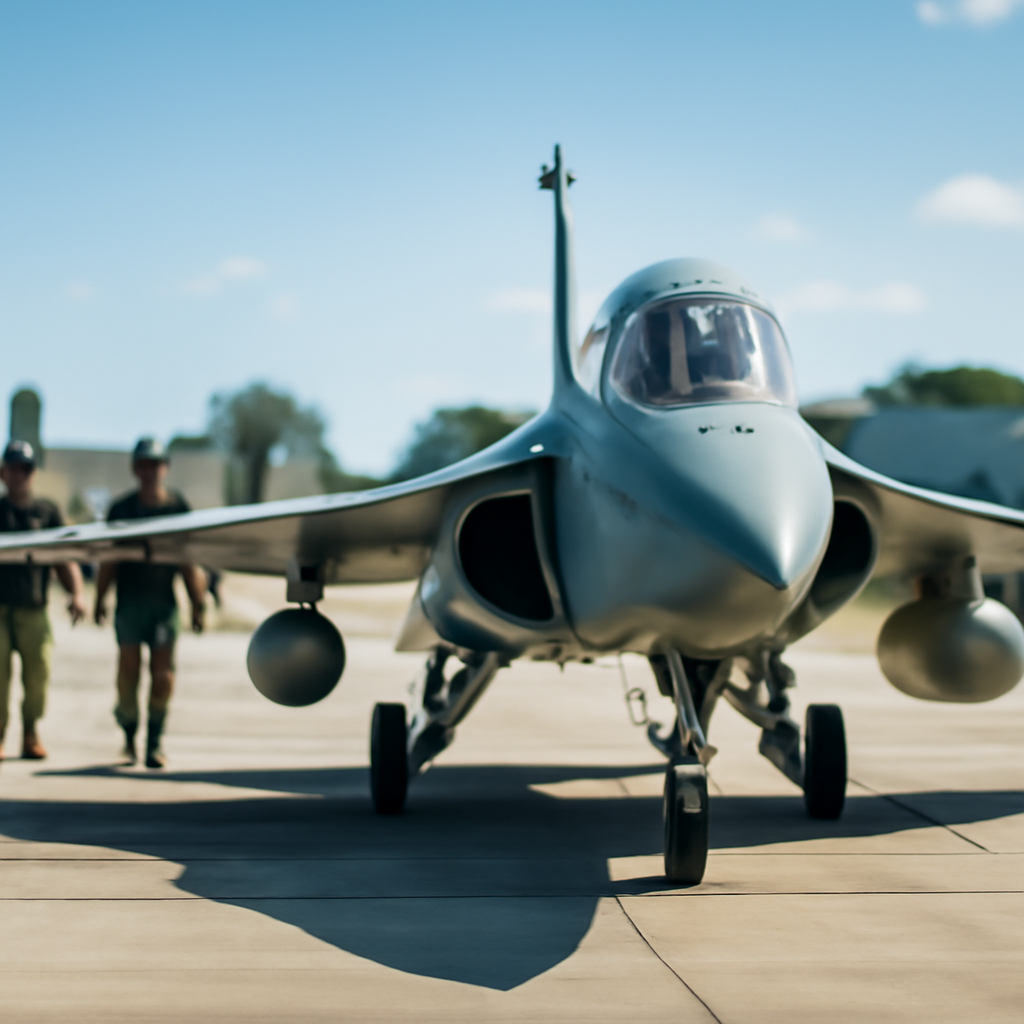
Indonesia's Ministry of Defence has sealed a nearly $1 billion deal with Leonardo for 12 cutting-edge M-346F light combat aircraft, marking a significant milestone in the country's military modernization. This deal underscores the growing trust in Leonardo's capabilities, as noted by CEO Lorenzo Mariani.

Lawmakers faced a chilling reality check in a simulated China-Taiwan conflict, where AI-enabled cyberattacks were unleashed with devastating potential. In a high-pressure tabletop exercise, they got a glimpse of how artificial intelligence could escalate a future crisis.

The US Army is tackling a major hurdle in Abrams tank engine production: a shortage of 166 critical components that are causing significant delays and impacting fleet readiness. These supply chain bottlenecks, particularly with subcomponents for the AGT1500 engine made by Honeywell Aerospace, are leaving tanks idle and prompting the Army to seek help from industry partners.

Saab and Embraer are ramping up production of the Gripen fighter jets in Brazil, with a new agreement that authorizes the production of 20 additional Gripen E/F fighters at Embraer's Gavião Peixoto facility. This expansion solidifies their long-term commitment to Latin America and strengthens their industrial partnership.
No IT department, no security budget, real exposure. Nubivance builds right-sized security foundations for small companies. Send them this.
Send it along
The House has passed the 2027 Defense Bill with a narrow 216-to-212 vote, despite some lawmakers on both sides expressing disagreement with certain provisions. This key step in a long process sets the stage for further negotiations, particularly with the Senate, where a stalemate currently exists.
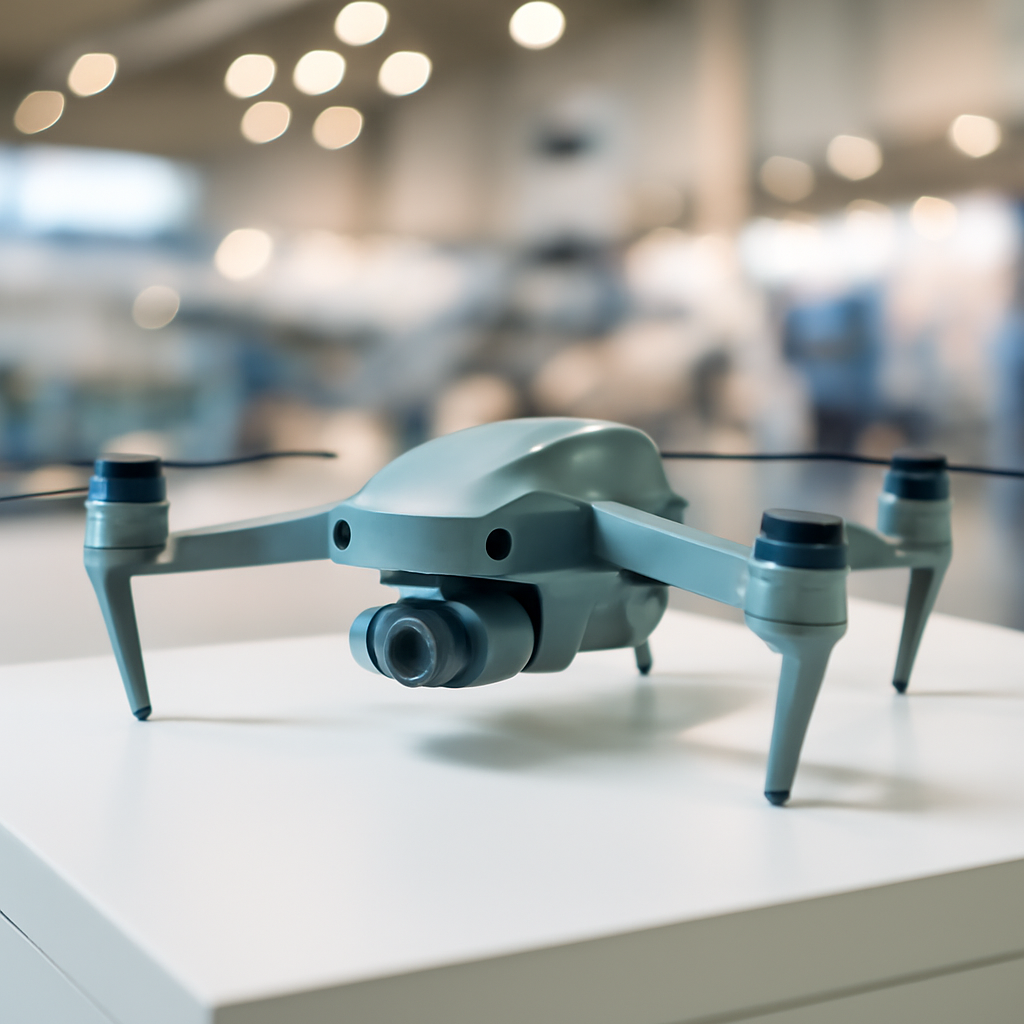
Get ready to take to the skies! The Leonardo-Baykar joint venture, LBA Systems, has officially launched drone production, unveiling a range of six cutting-edge systems at the Farnborough International Airshow.
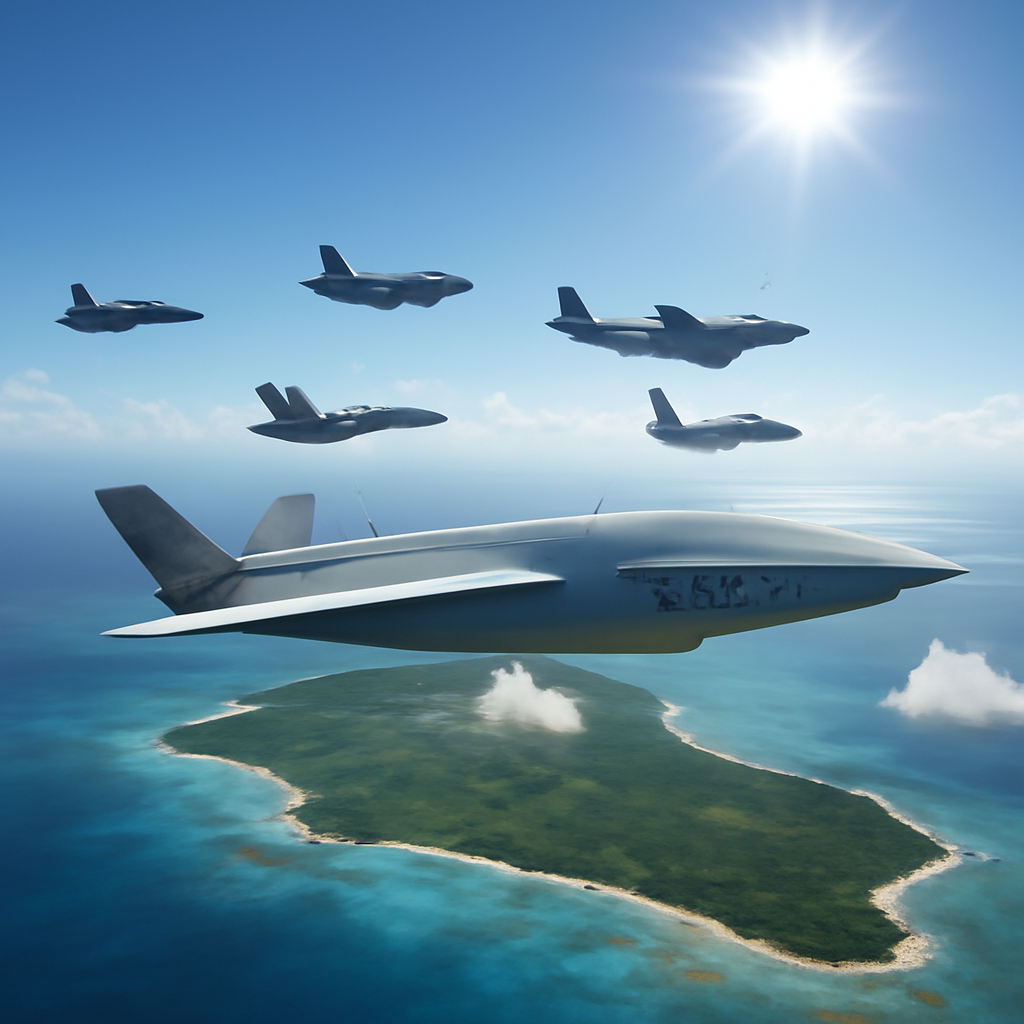
The MQ-28 Ghost Bat, developed by Boeing for the Royal Australian Air Force, made its debut in a major Pacific exercise, flying alongside US and allied aircraft, including F-35s and F-15EX, in a groundbreaking display of collaborative combat. This marked the first time a collaborative combat aircraft has been deployed to a multinational exercise.

Australia's reliance on AI data centres in Sydney and Melbourne poses a significant geographic risk, with the country's infrastructure vulnerable to disruption due to its concentrated capacity. Shifting data centres north could be a strategic move to mitigate this risk and ensure national security.

China's Coast Guard is flexing its muscles in Japanese waters, asserting its jurisdiction in a bold move that's sending ripples through the region. A Chinese vessel was spotted patrolling Japan's exclusive economic zone south of Yonaguni Island, sparking a tense exchange with Japanese authorities.

Get ready to take flight into the future of defense tech - BAE Systems just unveiled its game-changing Brontanax Loyal Wingman Drone at the Farnborough Airshow! This cutting-edge system is set to revolutionize the skies with its innovative design and capabilities.

The US has mischaracterized Antifa as a terrorist threat, despite a lack of evidence from its allies, and is using this false narrative to rally international support against a supposedly global far-left menace. Secretary of State Marco Rubio has led the charge, but several countries, including the Netherlands and Germany, have failed to find any credible evidence to back up these claims.
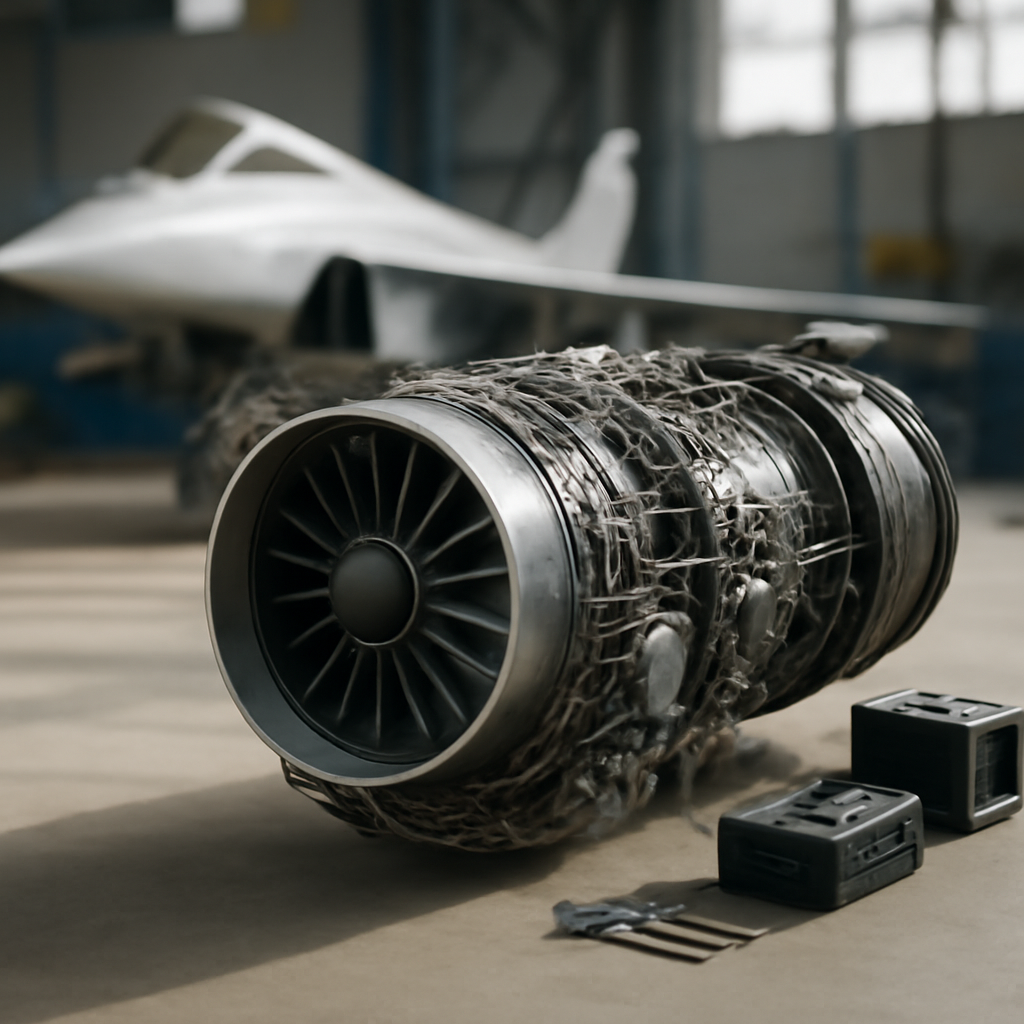
Türkiye's KAAN fifth-generation fighter program just got a major boost with the US Congress clearing the way for the sale of GE F110 engines, a crucial component that's been held up in a long-running technical and political logjam. Turkish Aerospace is now moving forward to secure the engines and ramp up flight testing and production.
Full-platform Rapid7 rollouts - InsightVM, InsightIDR, event sources, agents, tuning - by a Registered Partner who has done it at state-agency scale, including OT/SCADA.
Talk deployment
Ransomware attacks are getting smarter and more effective, with AI-powered phishing tactics leading to a significant increase in successful breaches. In fact, 65% of organizations hit by ransomware say AI tools made the attack more convincing and effective.

Giving a scammer a two-factor authentication code can have devastating consequences, as one unfortunate account owner discovered when it allowed the scammer to take over their email address. This simple mistake opened the door to a broader security risk, highlighting a vulnerability in email account security.

Get ready to take to the skies! The 2026 Farnborough International Airshow is currently underway in the UK, showcasing the latest and greatest in aviation technology with thrilling aerial displays.

In a major breakthrough, India and Japan have taken their naval partnership to the next level with a groundbreaking shipbuilding alliance, sparked by Japan's transfer of its cutting-edge UNICORN mast system to India. This game-changing deal paves the way for joint shipyards and further collaboration, revolutionizing their maritime cooperation.

A critical flaw in Check Point's SmartConsole has been exploited, allowing hackers to gain admin access with a CVSS score of 9.3, and Check Point has released updates to address the vulnerability. This authentication-bypass flaw lets attackers modify security policies and configurations with full administrative rights.

The People's Liberation Army is taking its logistics to the next level with cutting-edge upgrades, including the development of heated troop transport vehicles, like the modified Shaanxi Auto HMV3 truck. This high-tech heavy-duty vehicle is being tested as an unmanned platform in Inner Mongolia, showcasing China's push for autonomous military capabilities.
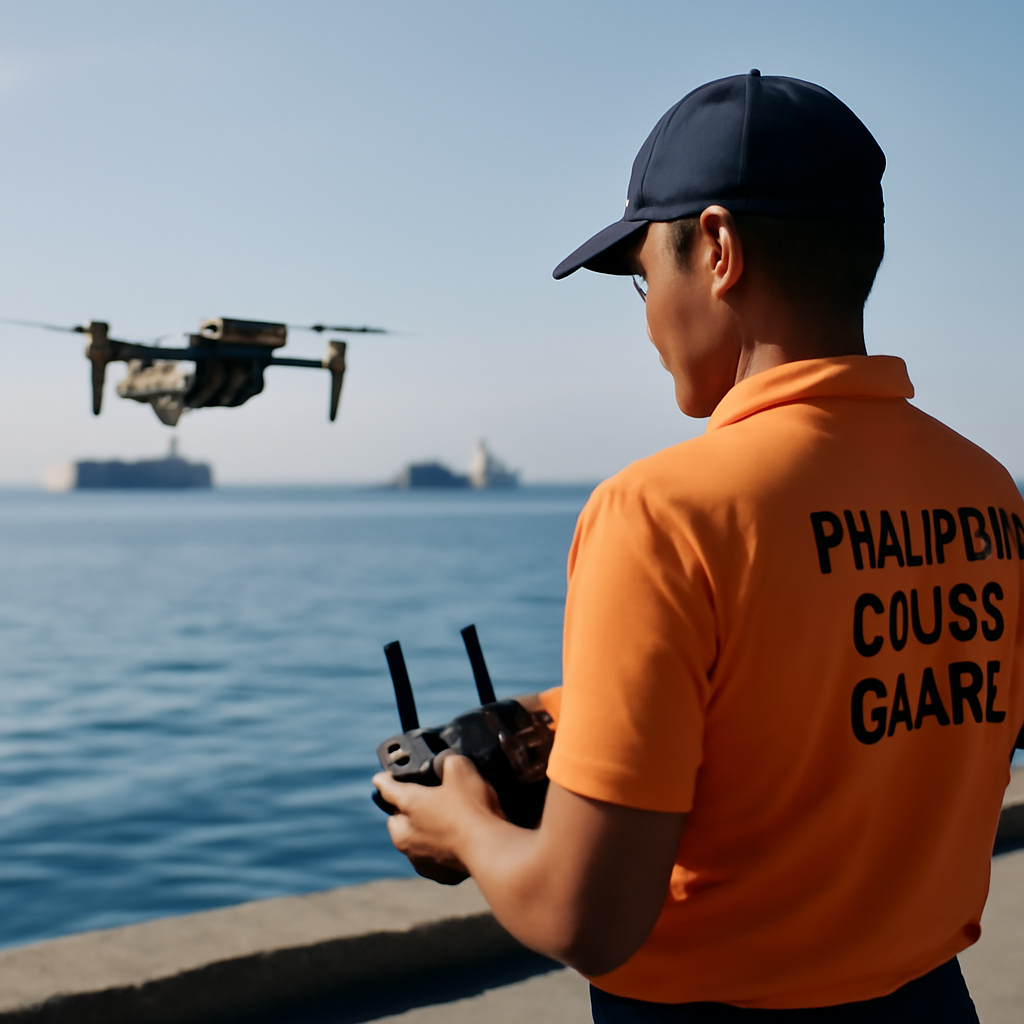
Australia is ramping up its support for the Philippines' maritime security with a generous aid package, adding 10 million Australian dollars, or 413 million pesos, worth of cutting-edge drone technology and operator training. This brings Australia's total drone support to nearly 600 million pesos since April 2025.
Pakistan is upgrading its defense strategy with an integrated counter-drone system, combining cutting-edge radar technology and locally produced ammunition to tackle the growing threat of unmanned aerial systems. This crucial upgrade aims to transform a patchwork of localized defenses into a robust, connected system capable of handling even the most sophisticated drone attacks.