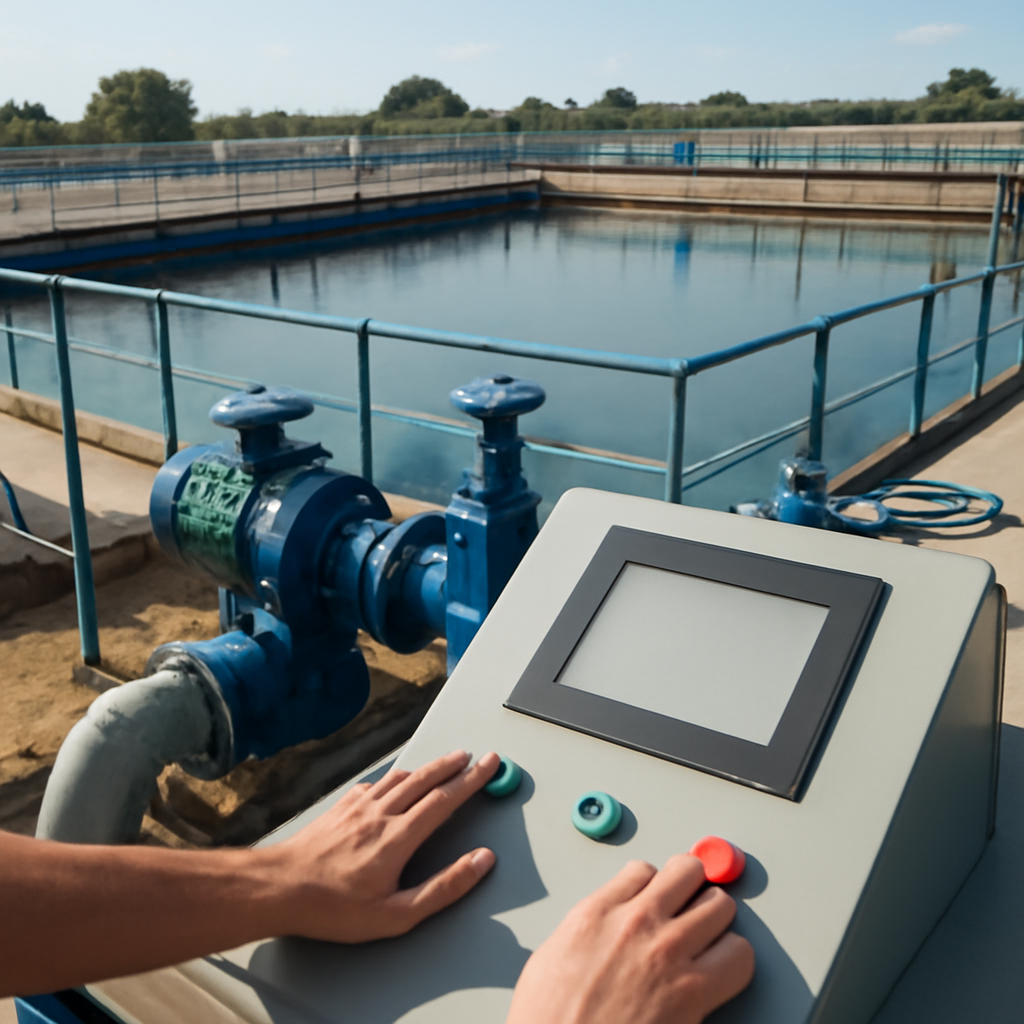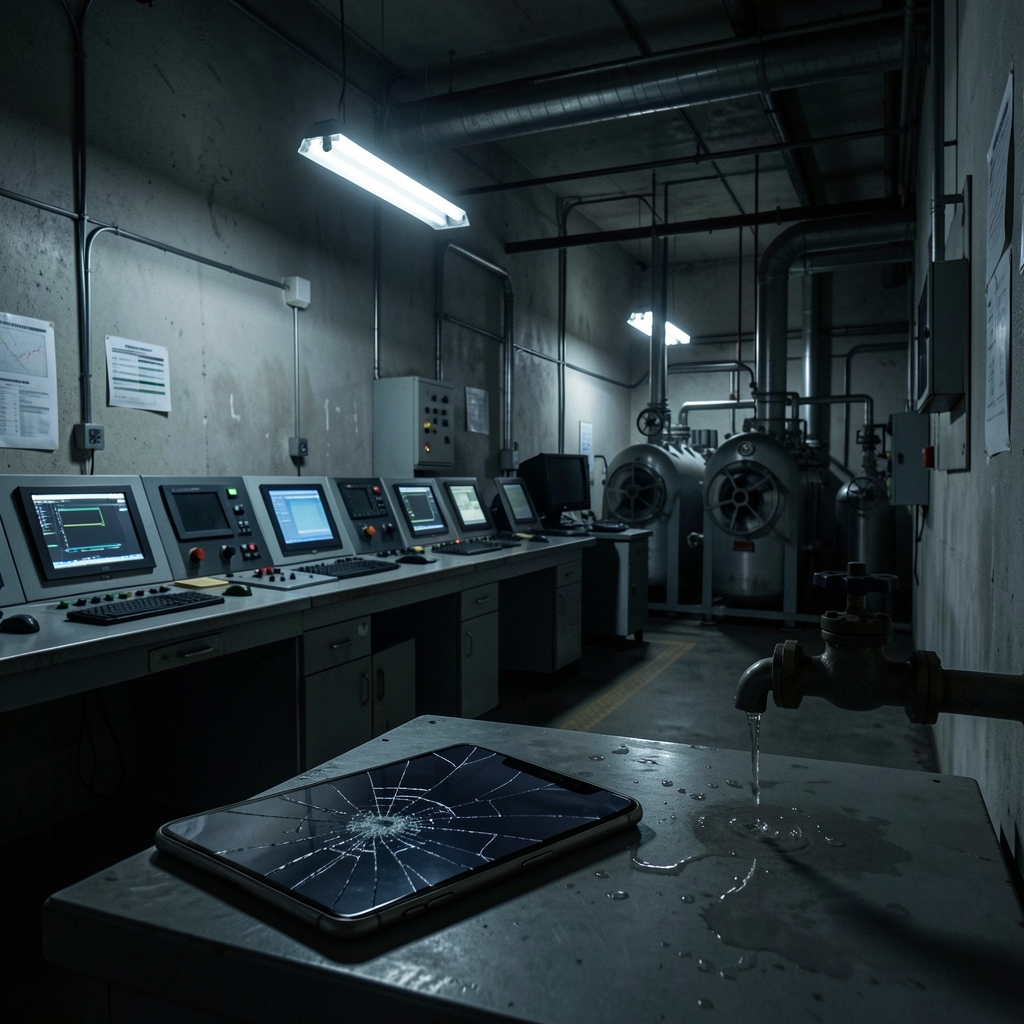
What does it mean when malware is described not merely as a data thief but as a tool that can both map and menace the plumbing of a city? That is the disquieting kernel of a new technical disclosure: ZionSiphon, malware that targets operational-technology (OT) water systems and combines capabilities for industrial control system (ICS) scanning with functions described as sabotage.
What the disclosure says
InfoSecurity Magazine reports that ZionSiphon “targets OT water systems with sabotage and ICS scanning capabilities.” That description identifies two distinct technical functions: the ability to scan or enumerate ICS devices and the presence of sabotage-related features. Taken together, the reporting portrays malware engineered to both discover how water-system control networks are built and to carry out disruptive actions against them.
Technical profile and implications
Scanning capability in malware is designed to detect and map devices, communications protocols and control endpoints inside an OT or ICS environment. Sabotage capability suggests components intended to interfere with, degrade, or manipulate industrial processes. The combination implies a staged approach: reconnaissance to find targets, followed by offensive actions against selected equipment or process points. InfoSecurity Magazine’s characterization highlights that ZionSiphon is not limited to passive surveillance; it includes functions that enable active interference.

This site is the portfolio.
OSINTSights runs on Cloudflare Workers, D1, R2, and Vectorize, with an AI pipeline on Hetzner ARM. Nubivance designed, built, and operates it. We do the same for clients.
See what we buildWhy this matters
Water systems rely on specialized control networks and equipment. Malware that can both discover ICS assets and carry sabotage routines raises a common strategic concern: attackers who understand a control environment can time and tailor operations to achieve physical effects. The dual-capability description in the report therefore elevates ZionSiphon beyond ordinary commodity malware and frames it as a tool with potential to affect operational processes, not just data flows.
Questions for operators and policymakers
- How are water-system operators detecting and responding to ICS-specific scanning activity?
- What safeguards are in place to limit the ability of malware to progress from reconnaissance to operational interference?
- Which monitoring and incident-response practices should be prioritized to identify tools that blend ICS enumeration with sabotage routines?
InfoSecurity Magazine’s brief technical note on ZionSiphon is a prompt to those responsible for OT environments to assess detection, segmentation and response controls. It is also a reminder that the intersection of scanning and sabotage capabilities deserves particular attention when evaluating threats to control systems.
If a single line of reporting can signal the emergence of a tool built to both map and menace water control networks, how ready are defenders to spot the mapping before the menace follows?