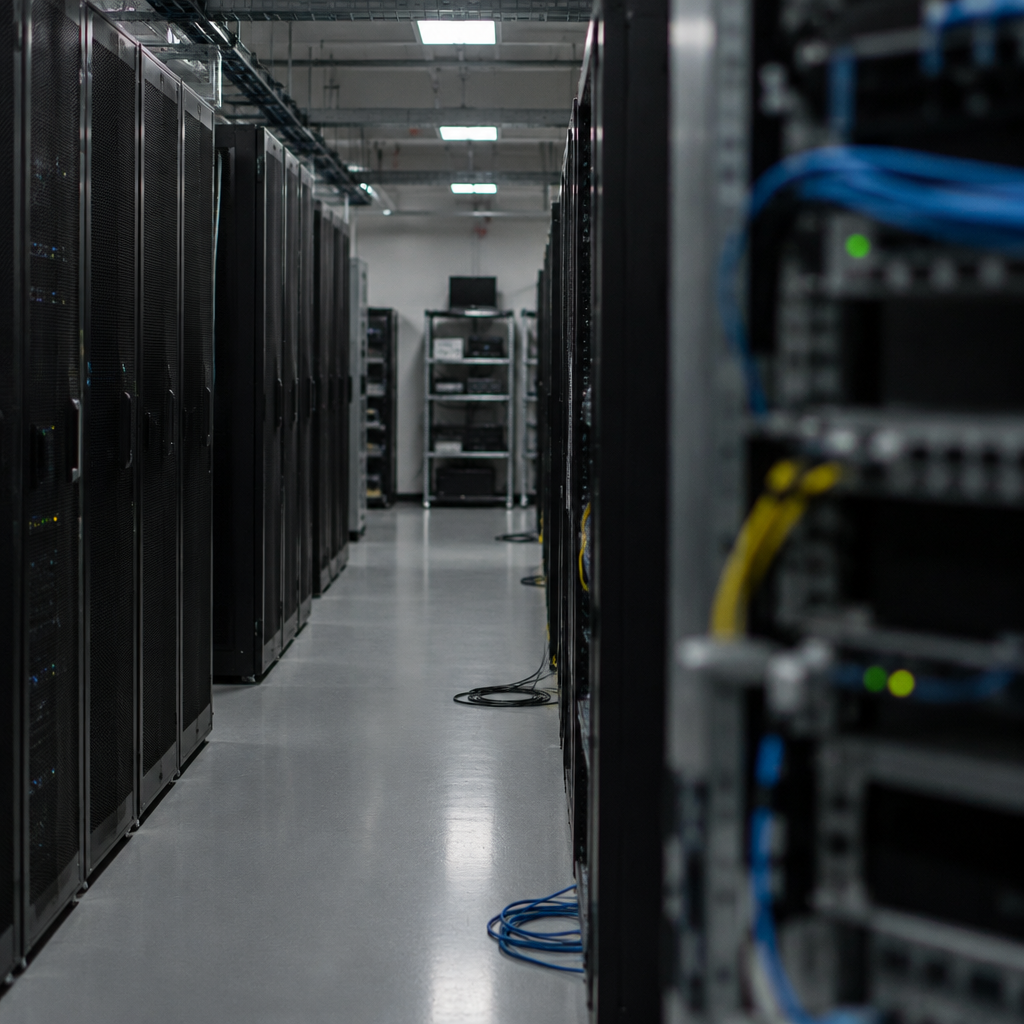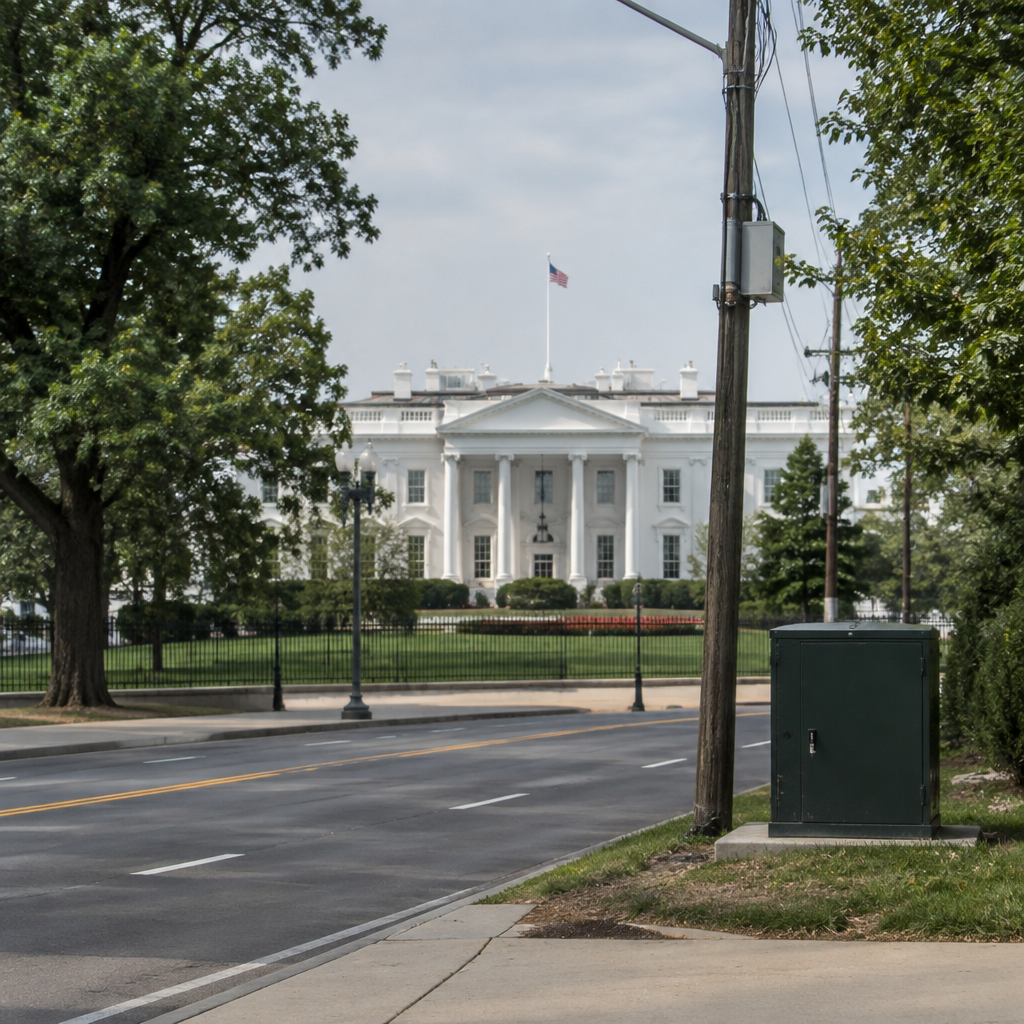
236 times over a 30‑day span, residential proxy traffic exited through internet addresses tied to the White House network, according to a New York firm that uncovered the pattern in early November.
Layer3 Intel: scope, method and verification
Layer3 Intel, a New York‑based residential proxy detection firm, published research on November 4 reporting 236 recorded exits through six addresses over a 30‑day window. The firm’s newly launched Residential Proxy Observatory logged exits on 26 of the 30 days between October 5 and November 3. Layer3 said it discovered the activity by chance while requesting ordinary global rotating access from public residential proxy services.
The firm identified 28 separate residential proxy services able to route traffic through those addresses. Layer3 cross‑checked the addresses against public lookup pages from two independent proxy detection services, Spur and Synthient, which also identified them as residential proxy exits.
AS2650: the addresses and their registry
The six addresses sit in AS2650, the autonomous system block registered to the Executive Office of the President, the federal agency that hosts the White House network, Layer3 reported. The firm emphasized that the observed data are exits — the points where proxy traffic was routed onto the public internet — and not an identification of any device or individual.

This site is the portfolio.
OSINTSights runs on Cloudflare Workers, D1, R2, and Vectorize, with an AI pipeline on Hetzner ARM. Nubivance designed, built, and operates it. We do the same for clients.
See what we buildTiming, pattern and the single‑device hypothesis
Layer3’s timeline showed a clear daily pattern: roughly half of the observed proxy exits occurred between 5:00 p.m. and midnight Eastern Time, with almost no activity in the early morning hours. The firm suggested that the cadence pointed toward a regularly used personal device rather than an open guest Wi‑Fi network, and said the activity was consistent with a device that had been infected with a residential proxy software development kit (SDK).
“Our data shows the exits, not the device or the person behind them,” Layer3 wrote, and founder Sergiy Usatyuk told Infosecurity: “The most recent activity was recorded in the evening of November 4; hopefully, it stops soon!”
Proxy SDK risks and a recent botnet precedent
Layer3 did not report any confirmed compromise of White House systems. It backed up raw logs of the activity and shared its findings with a US federal agency, according to the firm.
Layer3’s report invoked prior research showing that poorly secured proxy SDKs can create pathways into internal networks and enable lateral movement. The firm cited Synthient’s research into the Kimwolf botnet, which Synthient reported had reached at least two million devices — largely Android devices with an exposed Android Debug Bridge (ADB) service — via residential proxy networks. Layer3 warned that if a proxy SDK on the White House network contained similar flaws, anyone buying access from a residential proxy service could potentially use those exits to reach internal systems.
What this means for the White House, a US federal agency, and security teams
- White House: The addresses at issue are within AS2650, the block registered to the Executive Office of the President. Infosecurity has contacted the White House for comment; Layer3 reported it has shared raw logs with a US federal agency to support any follow‑up.
- A US federal agency: Layer3 provided raw logs to a federal agency, giving that agency concrete data to review the recorded exits and assess whether remediation or further forensic work is necessary.
- Security teams and technologists: The incident underscores that commercial residential proxy services can route traffic through high‑profile networks and that proxy SDKs — when insecure — have been linked to large‑scale botnet activity such as Kimwolf, per Synthient research cited by Layer3.
Layer3’s discovery leaves two clear, immediate facts on the record: the exits were observed repeatedly across late evenings, and the firm preserved and shared logs with federal authorities. Beyond those facts, the apparent evening‑hour concentration and the firm’s SDK hypothesis frame a focused set of follow‑up questions for the agency that received the logs and for the network operators responsible for AS2650.
Infosecurity has contacted the White House for comment; as of Layer3’s publication on November 4 the firm reported recent activity as late as the evening of November 4. The record now rests with the raw logs Layer3 backed up and the federal agency reviewing them — whether that review will produce further disclosure, remediation, or additional public detail remains to be seen.