“Thousands of drones now conduct reconnaissance and strike missions.” That sentence, lifted from the reporting below, captures the basic shift: autonomy is already pervasive on modern battlefields, but it has not rendered people obsolete.
Two forces driving machine adoption
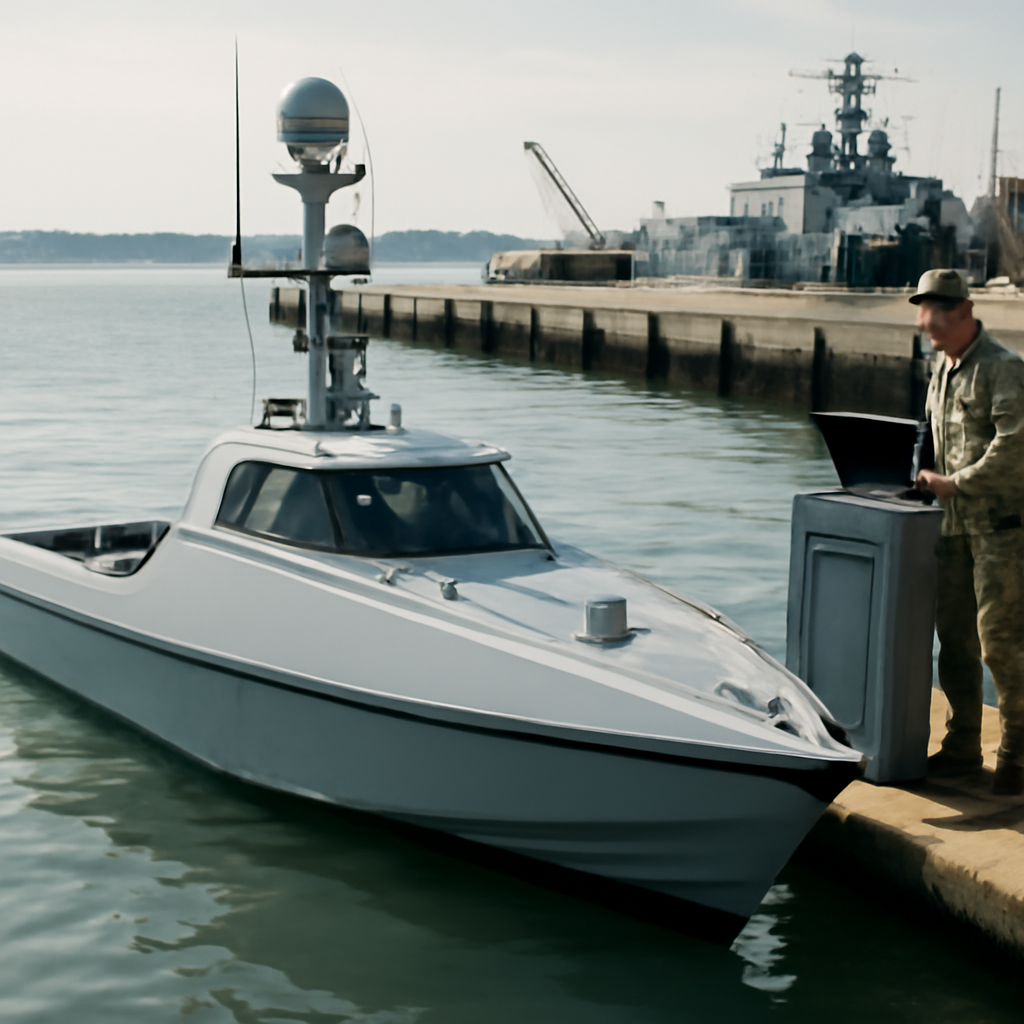
The source identifies two powerful forces accelerating the spread of AI and autonomous systems into warfare. First, rapid advances in AI, sensors, robotics, communications and computing power are enabling systems to perform missions that a decade ago needed highly trained humans. The piece lists concrete examples: autonomous boats that patrol coastlines and attack enemy boats and port facilities, ground robots that deliver supplies and clear minefields, and AI that analyses intelligence at speeds no human staff can match.
Second, the political context is reshaping demand. Across much of the developed world, democratic societies are increasingly reluctant to accept military casualties; political leaders face growing public pressure to conduct operations with no boots on the ground. Autonomous systems allow governments to sustain military operations without paying the political price of mounting casualties.
Space warfare: predominantly autonomous, but not human-free
The reporting states that space warfare has already become predominantly autonomous: satellites continuously detect threats, coordinate with one another and process vast quantities of data with limited human intervention. It adds a crucial caveat — future space warfare will demand decisions far faster than human reaction times allow, yet humans will still need to control space operations, intervene at critical junctures to prevent catastrophic outcomes and decide whether to launch attacks or counterattacks.

Audit-ready is a season. It shouldn't be.
Evidence in spreadsheets, controls drifting between audits, frameworks multiplying on flat headcount. Nubivance runs continuous compliance on Rapid7 Cyber GRC - SOC 2, HIPAA, ISO 27001, PCI, CMMC.
End the scrambleAir warfare: pilots becoming battlefield managers
Air combat, the source argues, is likely to be redefined rather than erased. Rather than eliminating crewed fighters, AI is expected to change the pilot’s role over the next few decades: as drone swarms become faster, cheaper and more capable, pilots may spend less time personally engaging enemy aircraft and more time orchestrating formations of autonomous aircraft that perform reconnaissance, electromagnetic warfare, suppression of enemy air defences, decoy operations and precision strikes. The pilot increasingly becomes a battlefield manager, the piece says, even as drones replace some helicopter missions. Still, human pilots remain essential for complex tasks such as low‑altitude aerial fire support in urban environments, where a single error can kill friendly forces or civilians.
Naval and ground warfare: where machines can and cannot replace people
The oceans, the source notes, naturally favour autonomous systems: surface and underwater vessels can remain on station for months without exposing sailors to danger, and they already perform surveillance, mine clearance, anti‑submarine and intelligence missions with growing sophistication. As sensors, communications and AI improve, fleets of autonomous maritime craft may eventually replace much larger and more expensive crewed warships. Yet human‑operated vessels will still be needed for complex missions such as conducting searches on commercial boats sailing in international waters or carrying out amphibious landings and establishing beachheads.
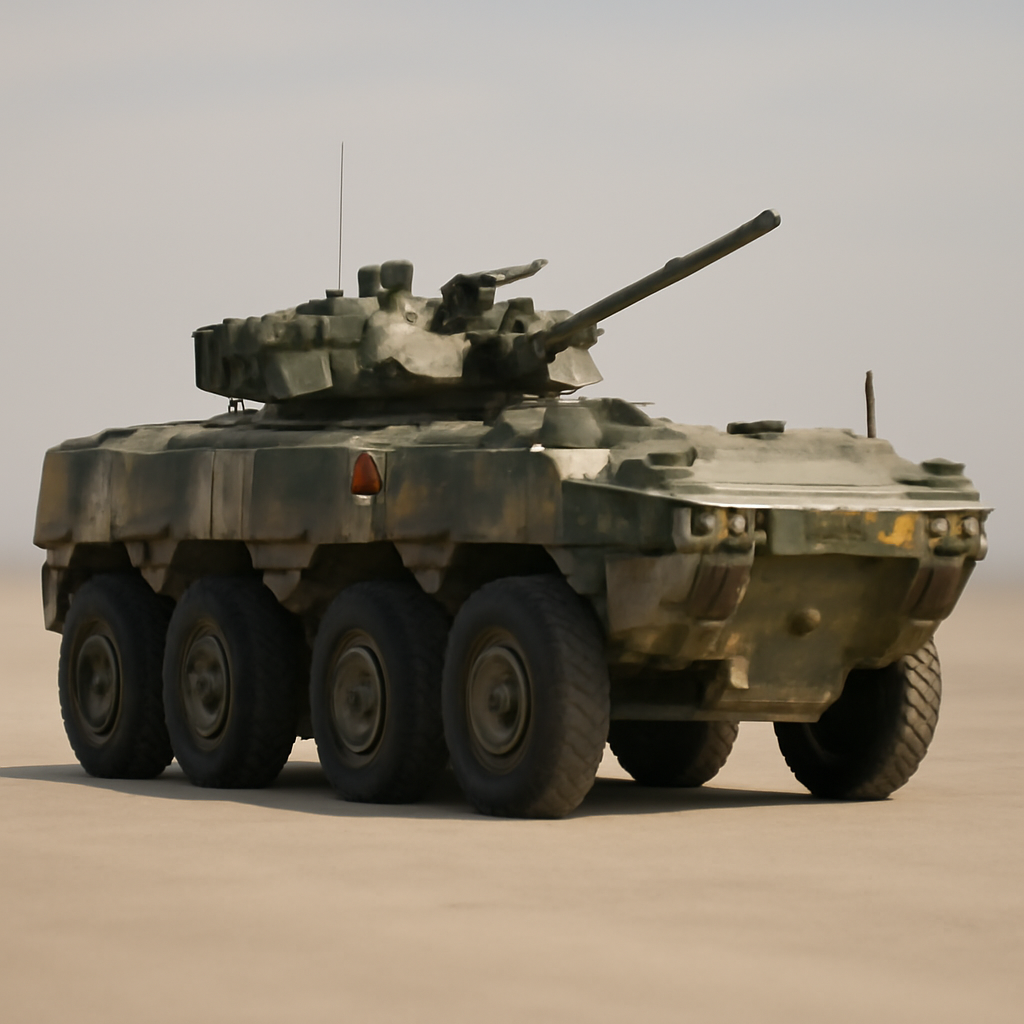
Ground warfare is described as a different challenge. Open terrain favours machines: autonomous vehicles can transport supplies, evacuate casualties, detect mines and engage armoured formations. But modern battlefields increasingly resemble dense urban environments, forests, mountains and sprawling underground tunnel networks — environments profoundly hostile to autonomous systems. Satellite navigation signals may be unavailable, communications unreliable, visibility limited and maps quickly obsolete; every doorway, staircase or collapsed building can conceal a new tactical surprise. Crucially, modern wars blur the distinction between combatants and civilians, and distinguishing a civilian from a threat “requires more than advanced sensors or pattern‑recognition algorithms.” The source concludes that such situations demand contextual understanding, cultural awareness, ethical judgment and legal accountability — qualities people provide.
How democratic political leaders, militaries, and civilians are responding
- Democratic political leaders: The piece says leaders face growing public pressure to avoid military casualties, and that autonomous systems offer a way to sustain operations without the political cost of mounting casualties.
- Militaries and pilots: Militaries are positioned to redesign forces so soldiers and intelligent machines fight together; pilots, for example, are likely to shift from direct engagement to orchestration of autonomous assets.
- Civilians and commanders in the field: People will remain essential where warfare demands contextual judgment, interaction with civilians and accountability for life‑and‑death decisions — especially in dense urban and underground battle environments.
The clear, pragmatic balance in the reporting is this: machines are extending range, endurance, speed and precision across space, air, sea and open ground, but they cannot yet replicate adaptability, intuition, moral judgment and the ability to interpret ambiguous human behaviour. For the foreseeable future, then, the article concludes not with a prediction that robots will replace soldiers but with a policy and operational imperative: how soldiers and intelligent machines will fight together, and how militaries should redesign their forces to make the most of each.