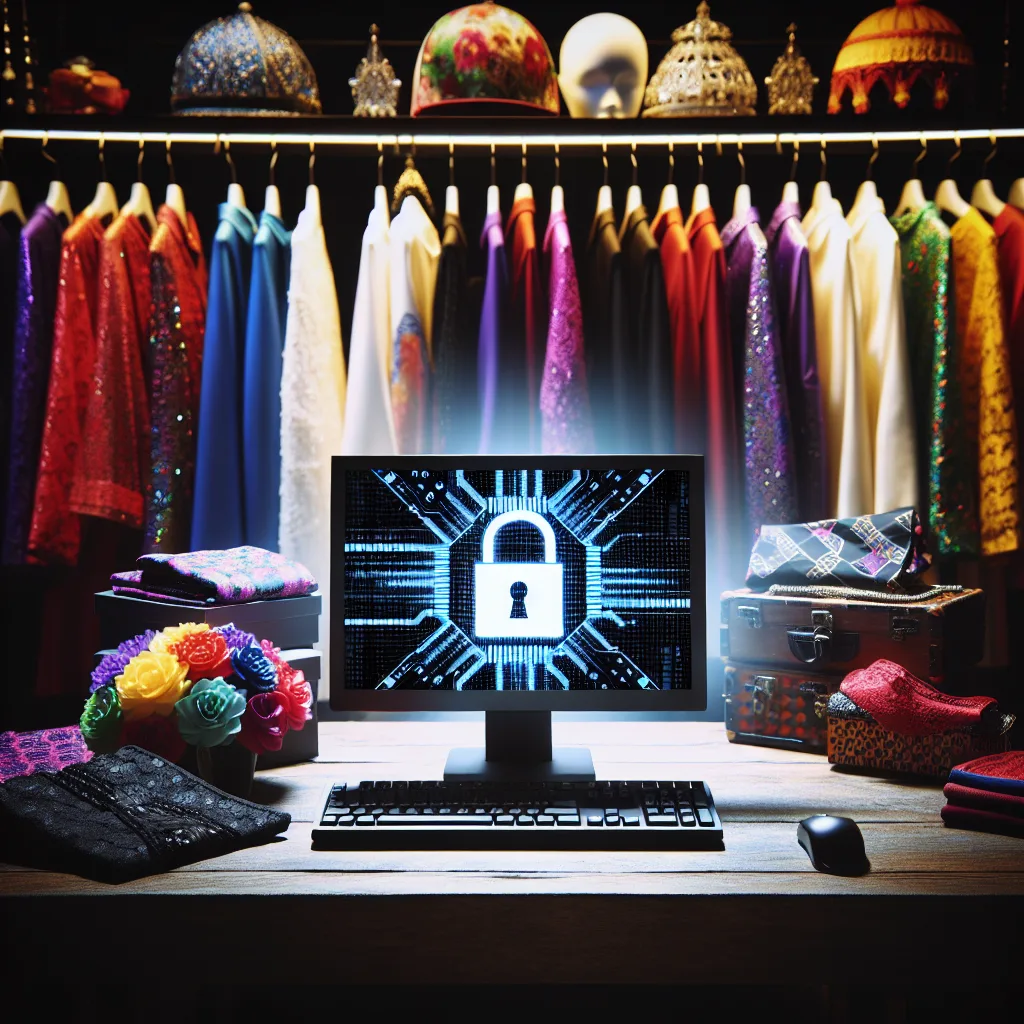
Victoria’s Secret Temporarily Pulls US Website Amid Cybersecurity Breach
Victoria’s Secret, the iconic American lingerie retailer, has temporarily taken down its United States website following a cybersecurity incident, raising questions about the vulnerabilities of even the nation’s most trusted brands. As customers and industry analysts look for answers, the company has prioritized a thorough security review over continued online sales.
The decision to shut down the US website came swiftly after unusual activity was detected, according to statements issued by Victoria’s Secret’s IT and security teams. In a press release that emphasized customer protection and data security, company representatives confirmed that the website would remain offline until the issue is resolved and systems are fully secured.
This incident is not merely a disruption to sales or customer experience—it underscores a trend where major retail operators, even well-resourced and globally recognized ones, remain targets for increasingly sophisticated cyber threats. Over the past several years, cyber intrusions have grown in frequency and complexity, affecting both customer-facing portals and internal networks alike.
Historically, Victoria’s Secret has maintained a robust online presence, a reflection of changing consumer habits and a significant portion of their revenue. The decision to suspend digital services, while undoubtedly difficult, reflects a commitment to safeguarding customer information and protecting the integrity of their digital infrastructure. Security experts note that such pre-emptive actions, though costly in the short term, are essential to prevent potentially larger breaches that could compromise sensitive data.
At the heart of this unfolding story is the balancing act between user convenience and cybersecurity. Companies in high-stakes retail environments must weigh the risks of continuous online accessibility against potential exposure to hackers and cybercriminals. For Victoria’s Secret, a brand synonymous with allure and luxury, the emphasis on security speaks to a broader industry shift where reputational trust is as valuable as sales revenue.
Multiple stakeholders are now scrutinizing the incident. Customers, undoubtedly concerned about the security of their personal and payment data, are kept informed via social media and company announcements. Cybersecurity professionals are examining this breach in the context of wider trends, with experts like Chris Krebs, former Director of the Cybersecurity and Infrastructure Security Agency, emphasizing that “even established brands must continuously evolve their defense strategies against an ever-changing threat landscape.” While these insights represent informed commentary, company officials have yet to disclose the precise nature or extent of the breach.
In a broader context, the incident raises pivotal questions about regulatory oversight and corporate preparedness in the digital age. The retail sector, which often handles vast amounts of personal data and high-volume transactions, faces mounting pressure to improve its cybersecurity frameworks. Regulatory agencies, including the Federal Trade Commission (FTC), continue to monitor such breaches closely, with potential ramifications for guidelines around consumer data protection and incident reporting.
Several factors set this incident apart. For one, Victoria’s Secret’s immediate and transparent response suggests a strategic attempt to regain customer trust. By voluntarily pulling the website offline early, the company has prioritized comprehensive troubleshooting over delayed corrections that could expose more vulnerabilities. This proactive approach aligns with a growing consensus among industry analysts: transparency in the wake of a breach can mitigate long-term reputational damage.
Cybersecurity reforms in the retail sector have accelerated in the wake of similar incidents. Notable breaches at companies like Target and Home Depot illustrate that no organization is immune. In these cases, a combination of outdated security protocols and sophisticated attack vectors led to prolonged customer exposure. In contrast, Victoria’s Secret’s measured response is reflective of an evolving incident management culture, particularly in industries where high consumer expectations intersect with significant data risks.
Industry experts advise that the fallout of this event should serve as a wake-up call. Observers like Nicole Perlroth, a cybersecurity reporter for The New York Times, have often stressed that “every breach is a lesson, not just in technology, but in governance and corporate ethics.” Her analysis—rooted in documented case studies and regulatory inquiries—reminds us that a security failure at one well-known enterprise can have ripple effects across the entire sector.
While the technical details of the breach remain under investigation, cybersecurity firms are reportedly assisting Victoria’s Secret with a forensic analysis to trace the intrusion’s origin and scope. These efforts will likely assess whether vulnerabilities originated from outdated software, human error, or a more sophisticated phishing attack.
The immediate impact on operations includes not only a temporary pause in online sales but also an expected reallocation of corporate resources. IT teams are collaborating with external cybersecurity experts to ensure that similar vulnerabilities are addressed in the future. Meanwhile, consumer confidence in the brand will likely be tested as customers scrutinize the company’s future handling of personal data security.
Looking forward, several critical questions remain unanswered. Will Victoria’s Secret deploy stronger multi-factor authentication protocols? How quickly can they reassure customers without compromising on thorough investigation procedures? And what will this incident mean for other retailers, already on tenterhooks regarding their own cybersecurity measures?
In the near term, Victoria’s Secret’s executive leadership has expressed a commitment to regaining full operational capacity as quickly as possible. The broader implications for the retail industry, however, are already clear: cybersecurity is no longer a technical add-on but a central pillar of customer trust and brand integrity.
In the final analysis, the incident at Victoria’s Secret serves as a potent reminder that in our digitally interconnected world, no business can afford complacency in cybersecurity. As security protocols continue to evolve and cyber threats become more refined, every organization—from boutique startups to multibillion-dollar corporations—must ask: Is my infrastructure resilient enough to weather the next inevitable breach?



