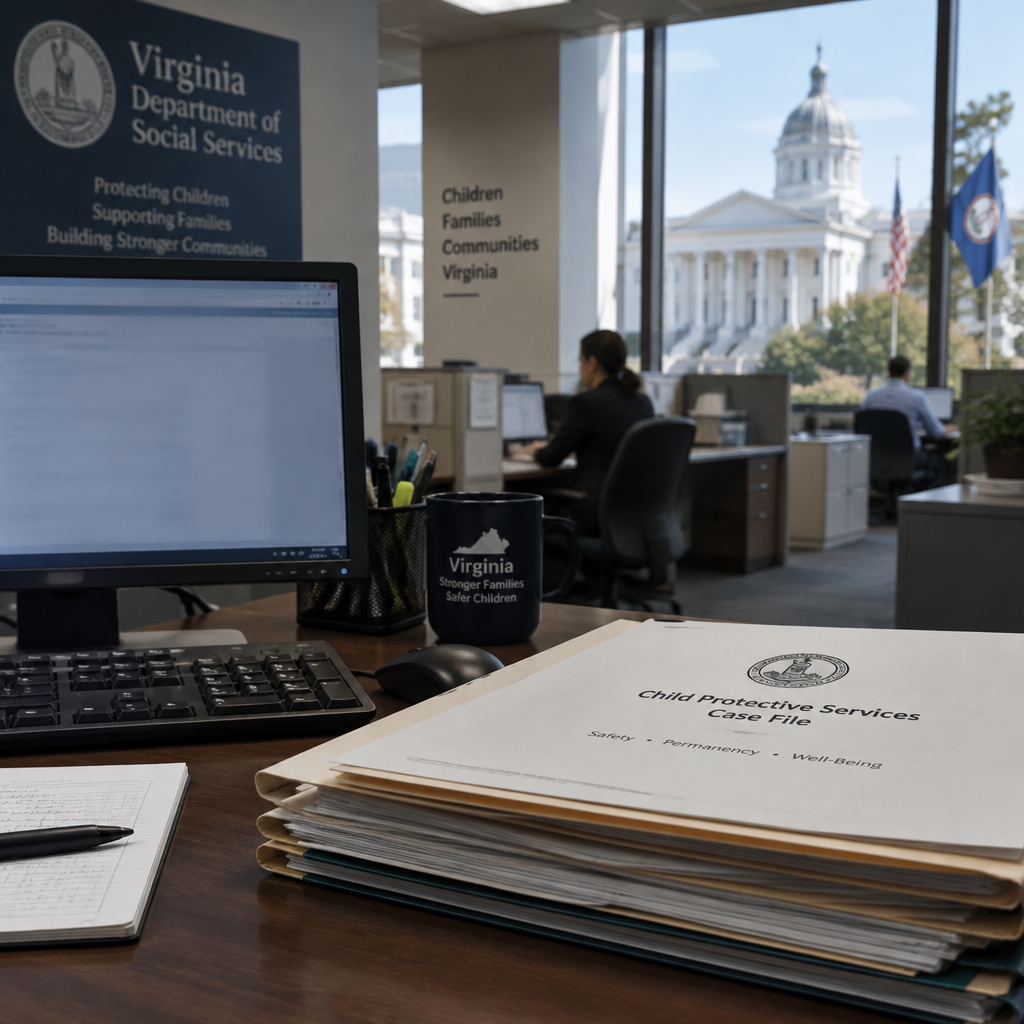
The indictment and charges against Hektor Avdyli
In October 2025 a federal grand jury in Wisconsin returned an eight-count indictment charging 21‑year‑old Hektor Avdyli with wire fraud, access device fraud and aggravated identity theft. Kosovar authorities arrested Avdyli in July at the behest of the FBI and the Department of Justice; he has since been extradited to the United States and is now in Milwaukee awaiting trial. The reporting notes Avdyli is reportedly the nephew of a former member of Kosovo’s parliament.
Undercover purchase: FBI bought more than 27,000 card numbers
As part of the investigation, the FBI conducted a covert purchase of stolen payment and identity data. Court filings and authorities say the bureau secretly bought more than 27,000 credit card numbers and related personal information from an online seller, then used that transaction as an investigative lead. According to the Justice Department announcement, the bureau’s investigative work identified Avdyli as the seller responsible for the data offered on criminal forums.

Audit-ready is a season. It shouldn't be.
Evidence in spreadsheets, controls drifting between audits, frameworks multiplying on flat headcount. Nubivance runs continuous compliance on Rapid7 Cyber GRC - SOC 2, HIPAA, ISO 27001, PCI, CMMC.
End the scrambleDigital cache: 2.7 million payment card numbers on a hard drive
At the time of his arrest, authorities say a hard drive in Avdyli’s possession contained 2.7 million payment card numbers. Court documents further report that Avdyli claimed to have stolen the information from shopping websites using malware, and that he advertised and sold stolen credit card data and personal information on online criminal forums to help customers commit fraud.
International cooperation: Kosovar authorities, the FBI and the DOJ
Kosovar authorities carried out the arrest in July after requests from U.S. law enforcement; the Justice Department announced Avdyli’s extradition to the United States on Monday. Special Agent in Charge Alan Karr of FBI Milwaukee framed the operation as cross‑border work: “FBI Milwaukee worked across international borders to target the criminal actor behind a cybercrime scheme that enabled fraud against American people to include citizens of Wisconsin.” The case therefore rests on coordinated actions — an undercover U.S. purchase, cross‑border arrest by Kosovar authorities, and the subsequent transfer of the suspect to U.S. custody.
What this means for American consumers, FBI Milwaukee, and Kosovar authorities
- American consumers: Prosecutors warn the kind of identity and financial theft alleged here is common and expensive; First Assistant U.S. Attorney Brad Schimel said such theft “happens countless times every day, and that theft costs American consumers billions of dollars.” For consumers, the case underscores the scale of data exposed when criminal marketplaces operate online.
- FBI Milwaukee: The bureau used a direct undercover purchase—more than 27,000 card numbers—to develop an identification of the alleged seller and to support cross‑border cooperation, illustrating how investigative purchases can produce leads that are later paired with physical evidence such as seized drives.
- Kosovar authorities: By arresting Avdyli in July at the request of U.S. law enforcement and facilitating extradition, Kosovar officials played a central role in moving the case into the U.S. criminal justice system, demonstrating a willingness to act on international requests in cybercrime cases.
Prosecutors in Wisconsin will now proceed on an eight‑count indictment returned in October 2025; Avdyli remains in Milwaukee awaiting trial. The underlying evidence cited by authorities — an undercover purchase of more than 27,000 card numbers and a seized hard drive allegedly containing 2.7 million payment card numbers — frames the factual issues the court will consider as the case moves forward.
Source: CyberScoop, "Indicted Kosovo credit card theft suspect extradited to US"