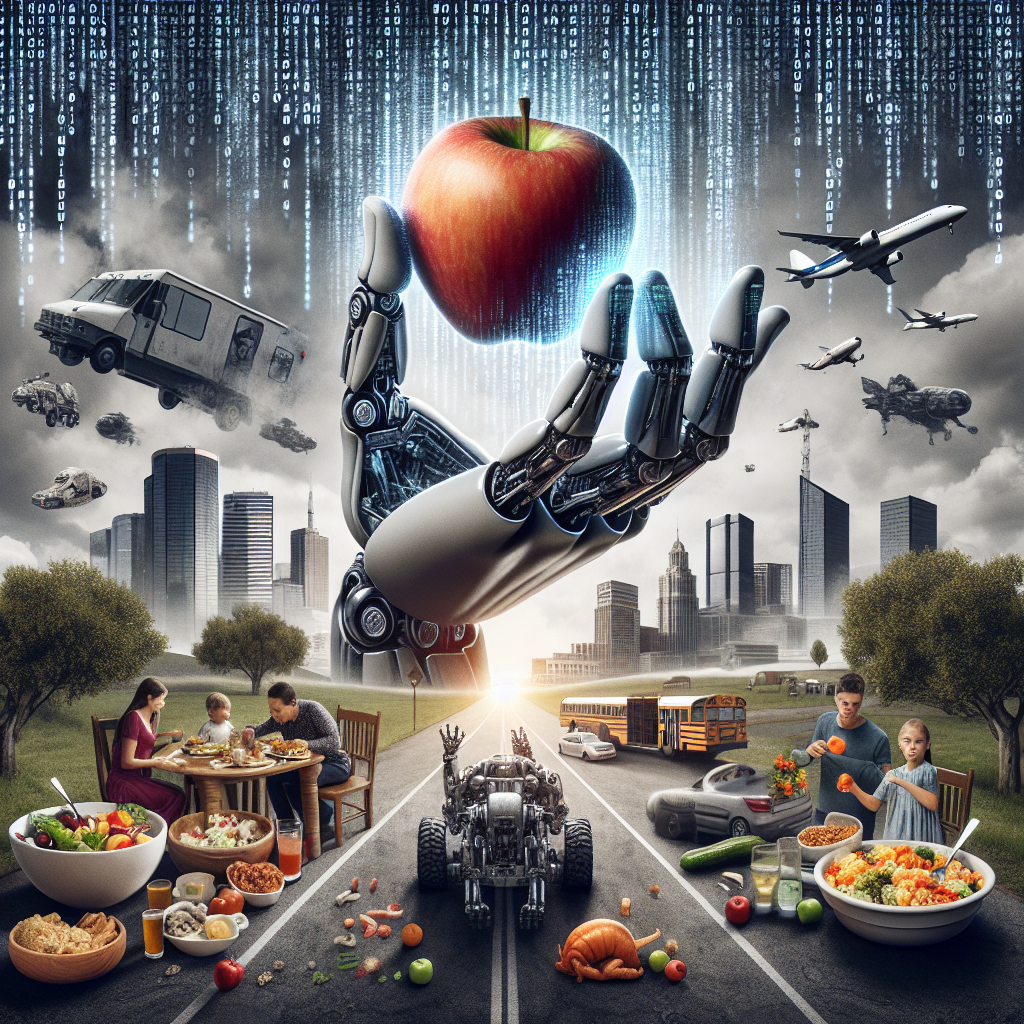
The Threat of AI-Driven Deception to Society
Executive Summary
The rise of artificial intelligence (AI) has brought about significant advancements in various fields, but it also poses a serious threat to society through the potential for AI-driven deception. This report explores the implications of AI in the context of misinformation and propaganda, drawing parallels from historical instances of deception, such as the Behistun Inscription by Persian King Darius and the adage that “the first casualty of war is the truth.” As AI technologies become more sophisticated, the ability to create convincing fake content—be it text, images, or videos—raises concerns across multiple domains, including security, economics, and diplomacy.
Security Implications
AI-generated misinformation can undermine national security. State and non-state actors may leverage AI to create propaganda that misleads the public or manipulates perceptions during conflicts. This can lead to escalated tensions and even military confrontations based on false narratives.
Economic Factors
The economic impact of AI-driven deception is profound. Businesses may suffer from reputational damage due to false information spread about them, leading to financial losses. Additionally, the market can be influenced by manipulated news, affecting stock prices and investor confidence.
Military Considerations
In military contexts, AI can be weaponized for psychological operations. The ability to create realistic simulations or deepfakes can be used to deceive enemy forces or sway public opinion in favor of military actions. This raises ethical questions about the use of AI in warfare.
Diplomatic Challenges
AI-driven deception complicates international relations. Misinformation can strain diplomatic ties, as countries may respond to perceived threats based on false information. This can lead to a breakdown in communication and trust among nations.
Technological Factors
The technology behind AI deception is rapidly evolving. Advances in machine learning and natural language processing enable the creation of highly convincing fake content. As these technologies become more accessible, the potential for misuse increases, necessitating a proactive approach to regulation and oversight.
Conclusion
As AI continues to evolve, the threat of deception will likely grow, impacting various aspects of society. It is crucial for stakeholders, including governments, businesses, and the public, to remain vigilant and develop strategies to combat misinformation and protect the integrity of information.
In summary, while AI offers numerous benefits, its potential for misuse in creating deception poses significant risks that must be addressed through collaborative efforts across sectors.
#AI #Misinformation #NationalSecurity #Economics #Diplomacy #Technology